Nepal 2024 - Tsum Valley & Manaslu Circuit
Table of contents
This is not just a diary of days; it’s a reflection on experiences, connections, and discoveries during my Manaslu Circuit Trek. It’s a story I’m telling myself to remember the moments and lessons I’ve gathered along the way.
Chapter 0: The Dreams
The Dots
Travelling is a personal thing. If you are reading this, we probably don’t need to discuss too much; the photos and stories will do the talking.
I have always wanted to do this trek. It took me 10 years to make it, so I know I really wanted it.
Why Manaslu? You have probably heard of EBC or ABC more often, and that is exactly why I chose a less known route. 2024 is a good time to visit: it is not so underdeveloped that there is no power, and not so developed that cars take you all along the trip.
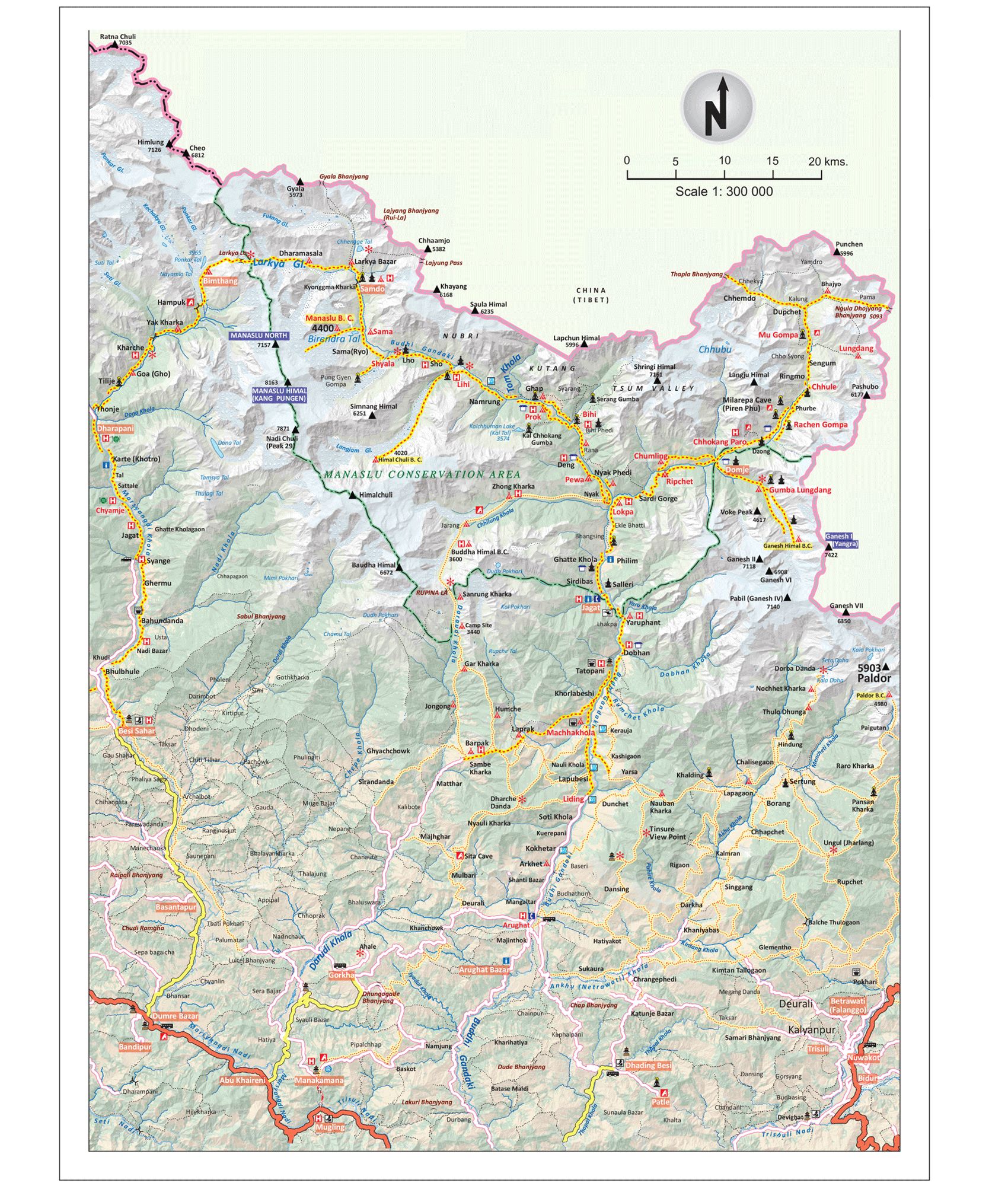
Why 20 days? It is technically 2 in 1, Tsum Valley and the Manaslu Circuit, with 2-3 days of buffer for acclimatization. That is not a lot.
Glimpses
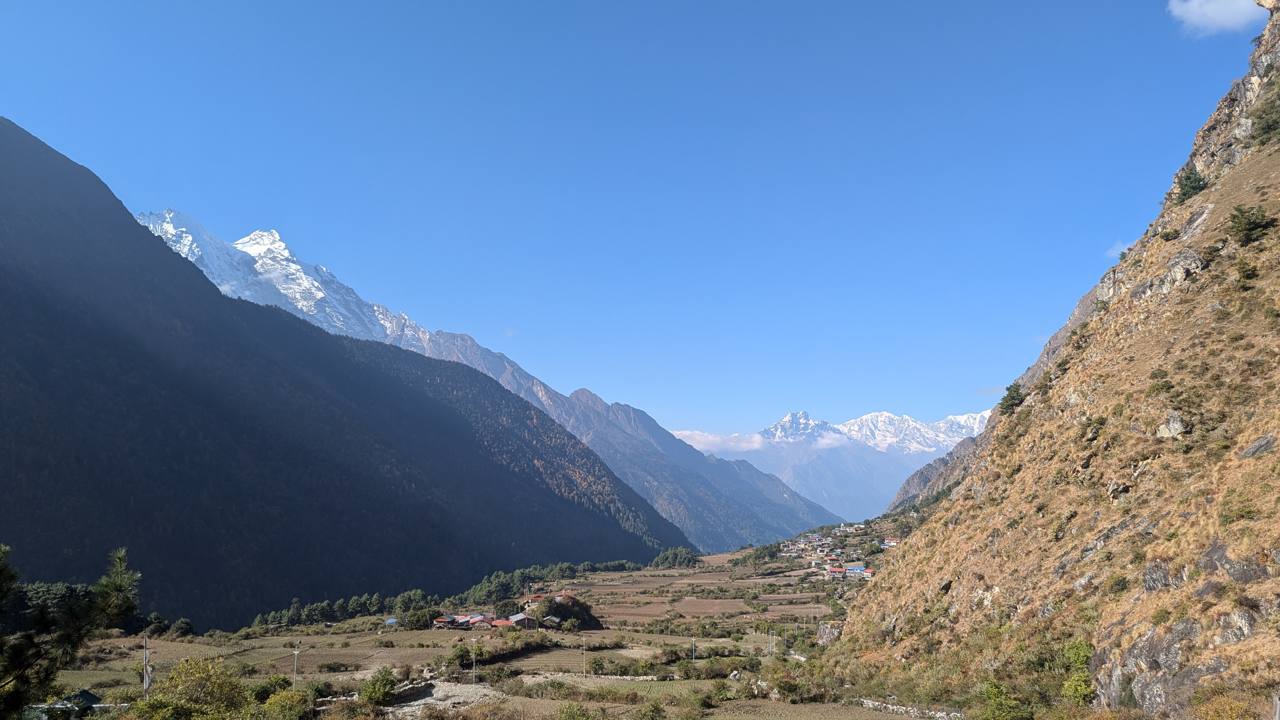
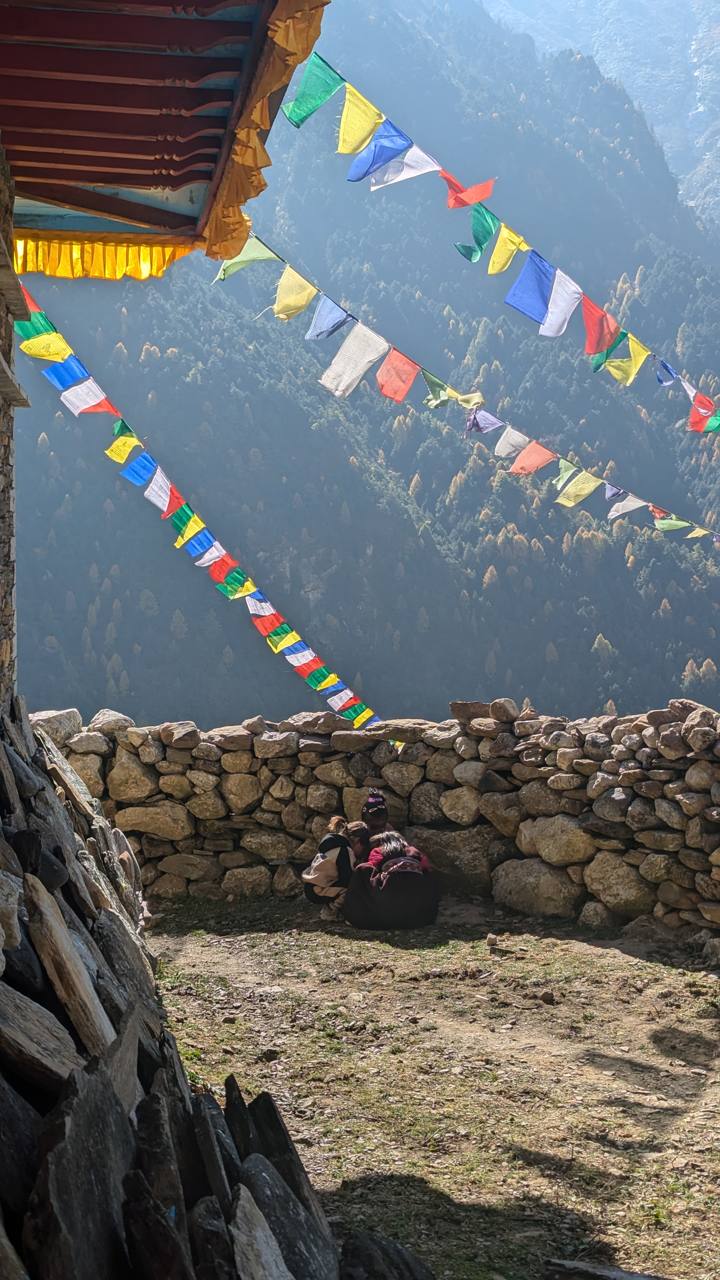
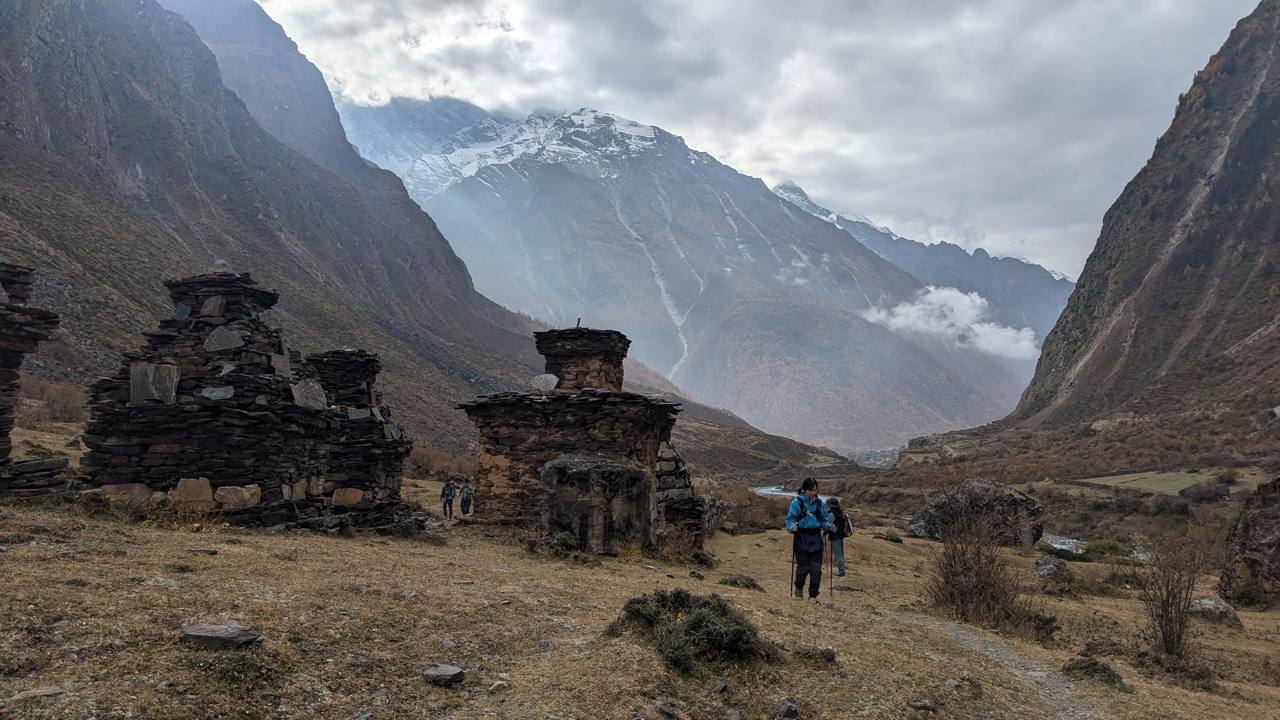
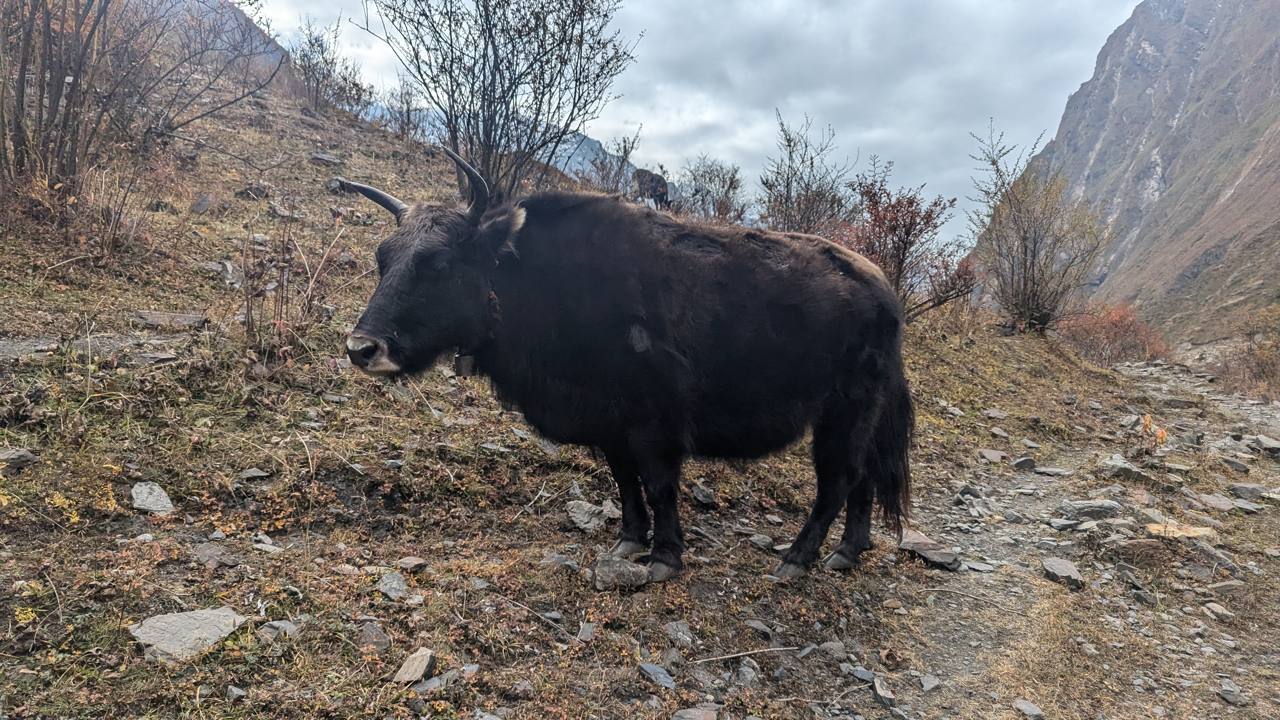
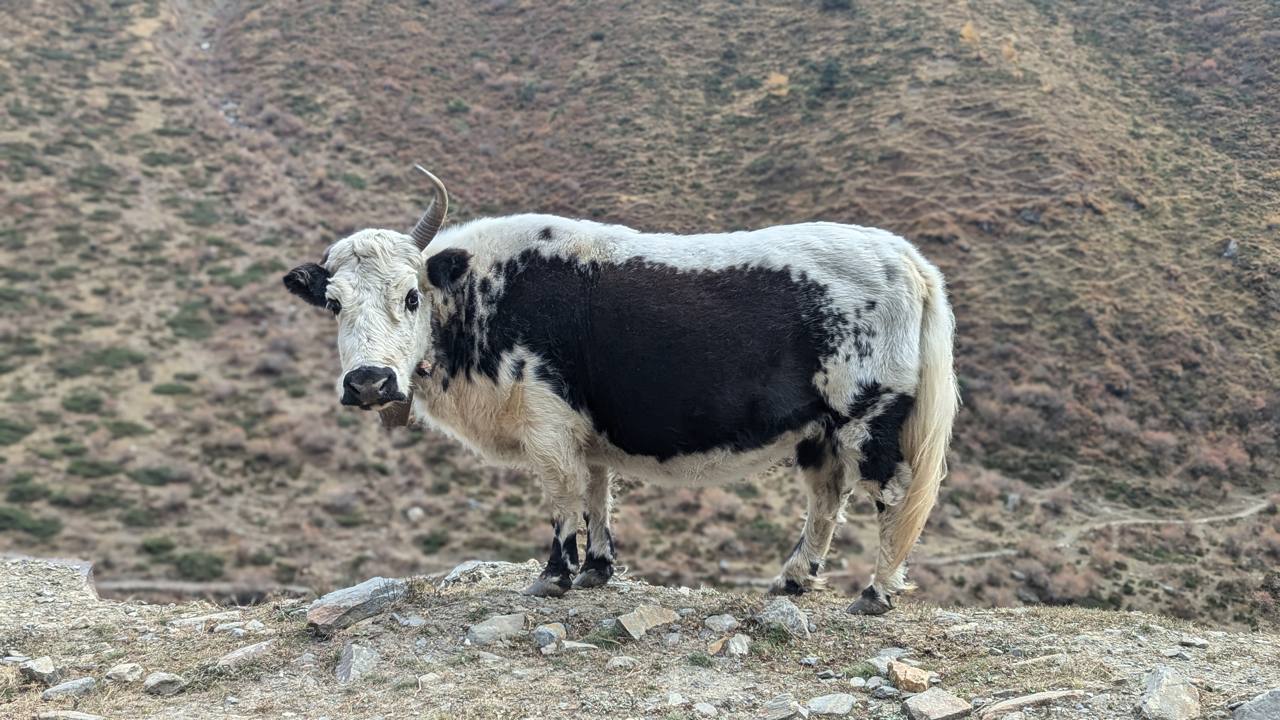
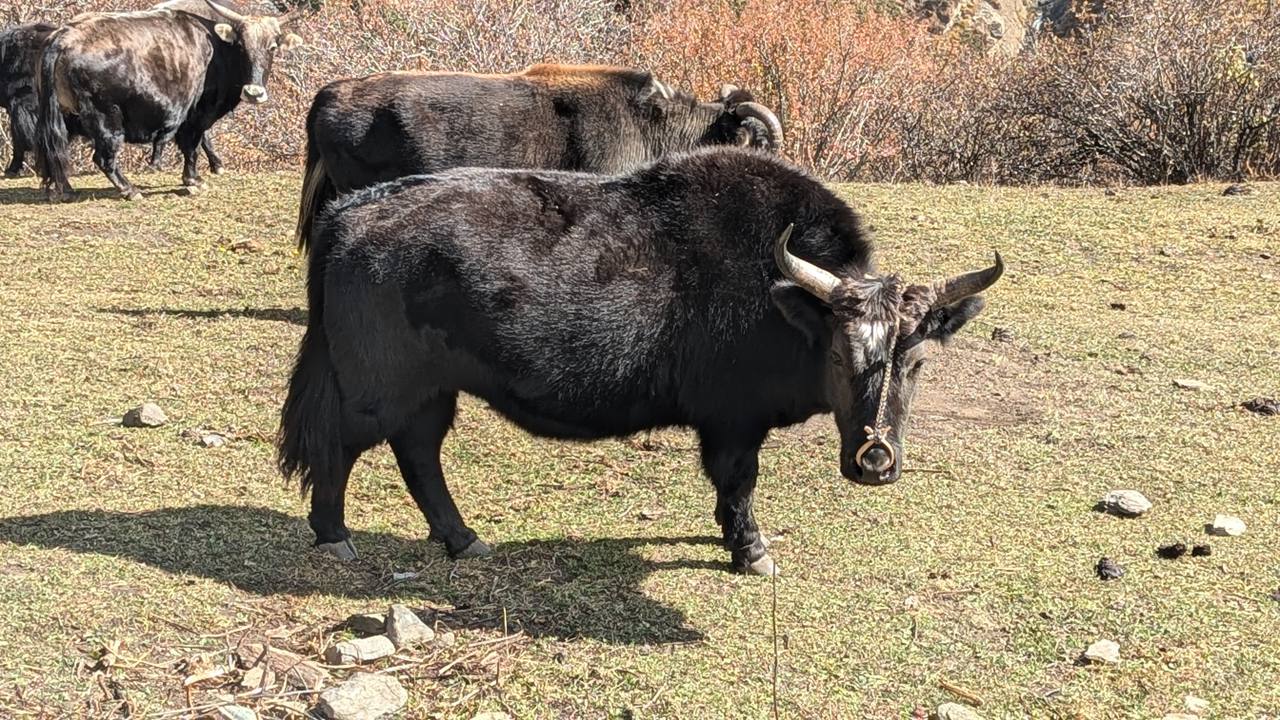
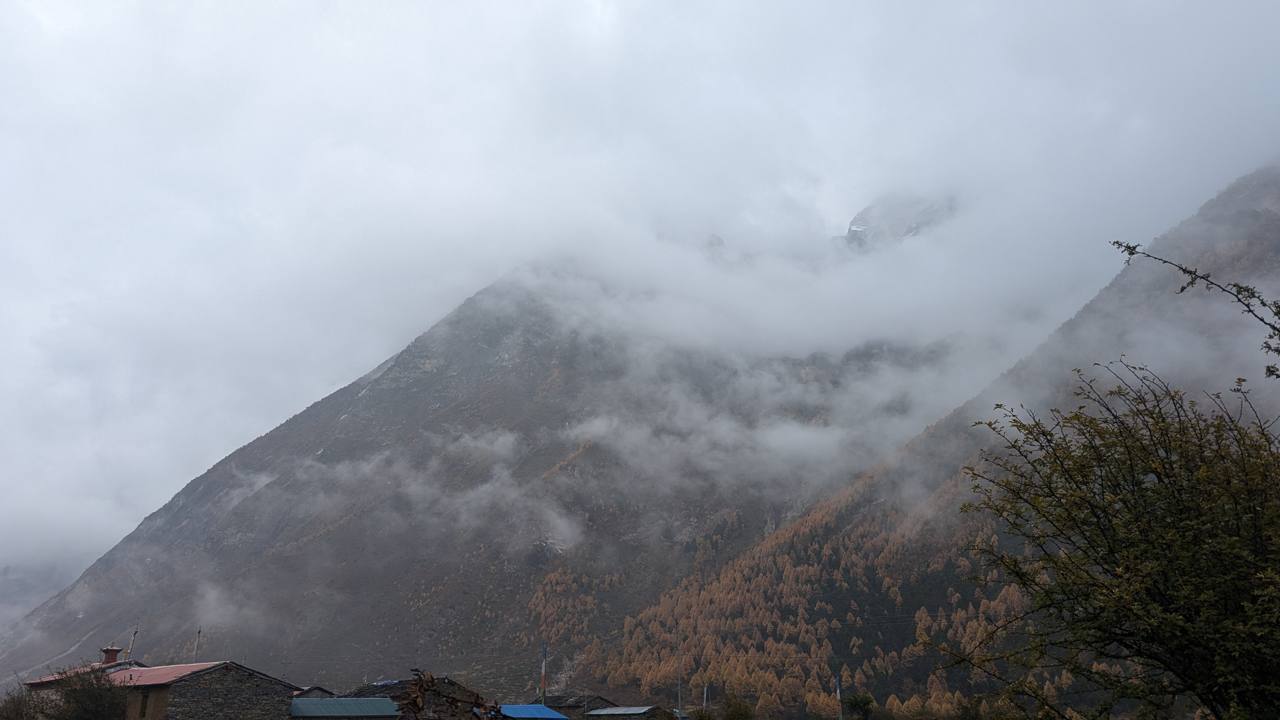
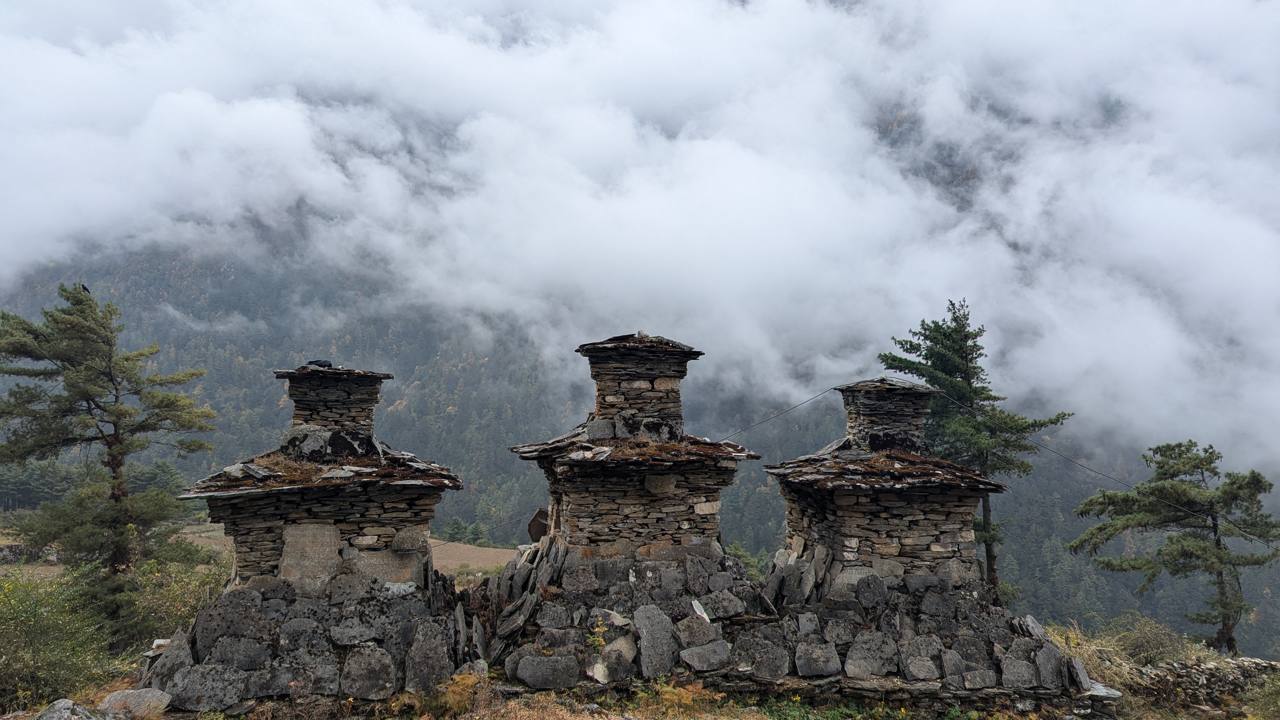
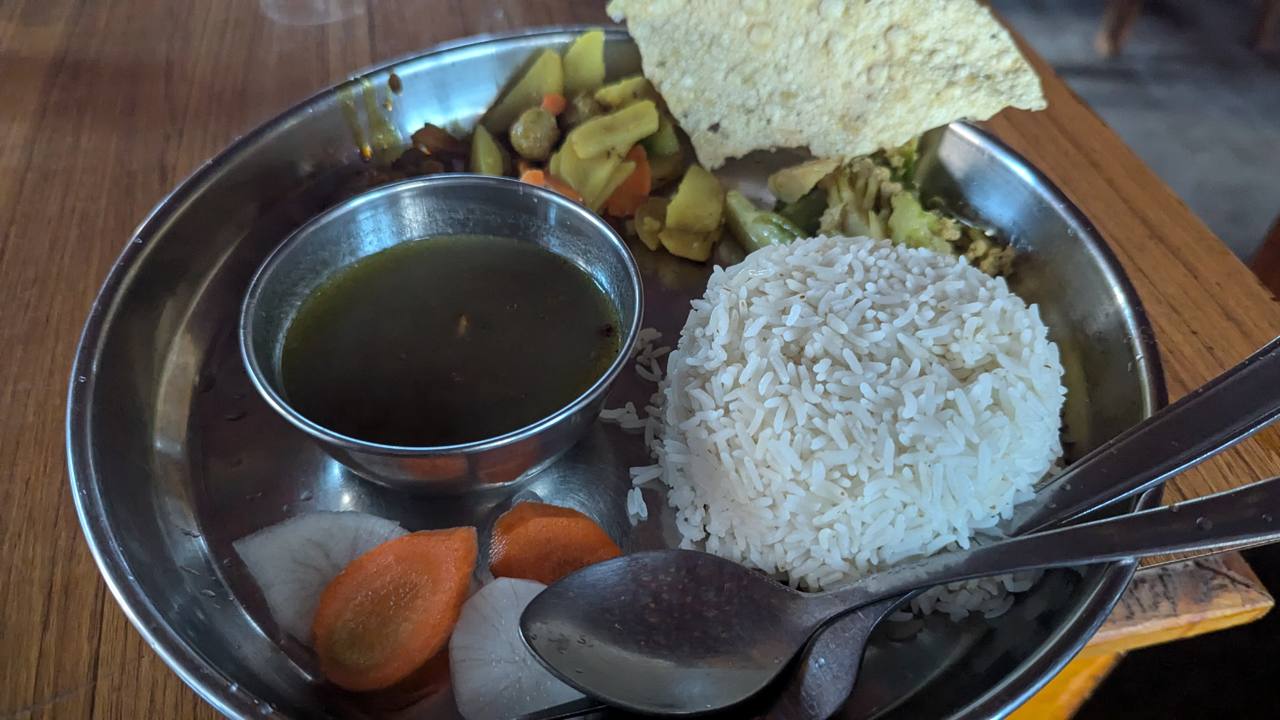
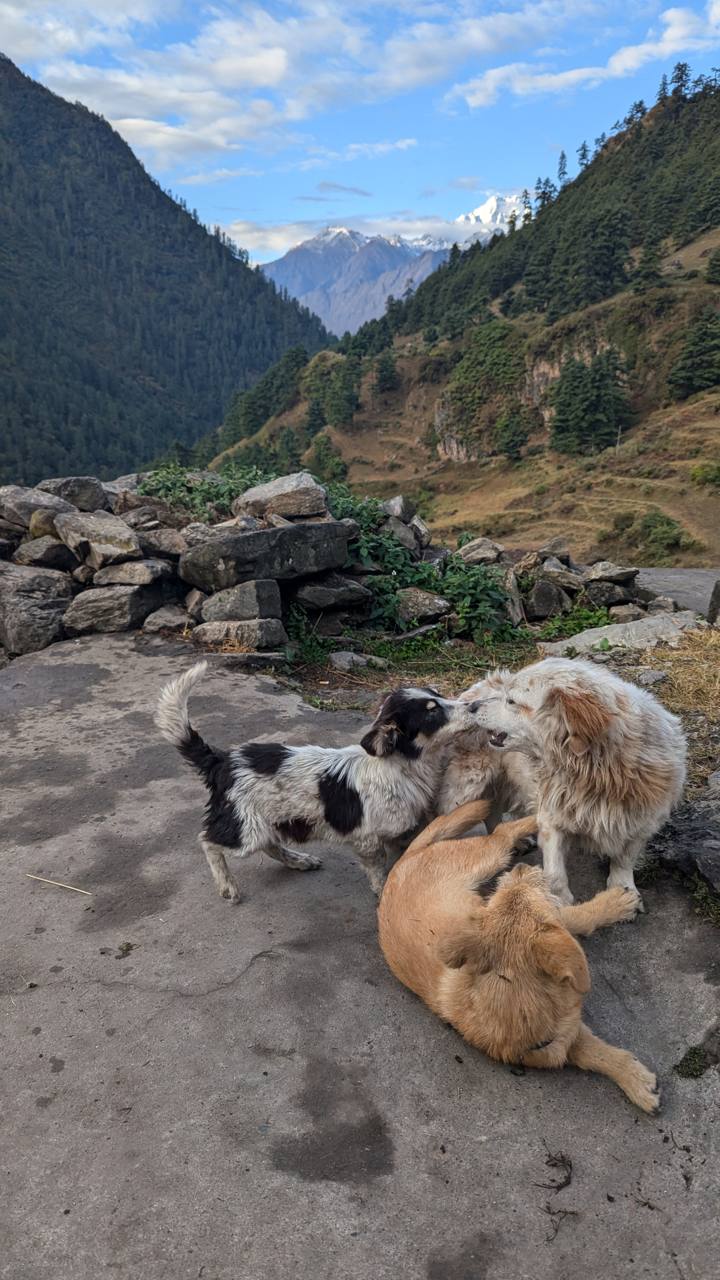
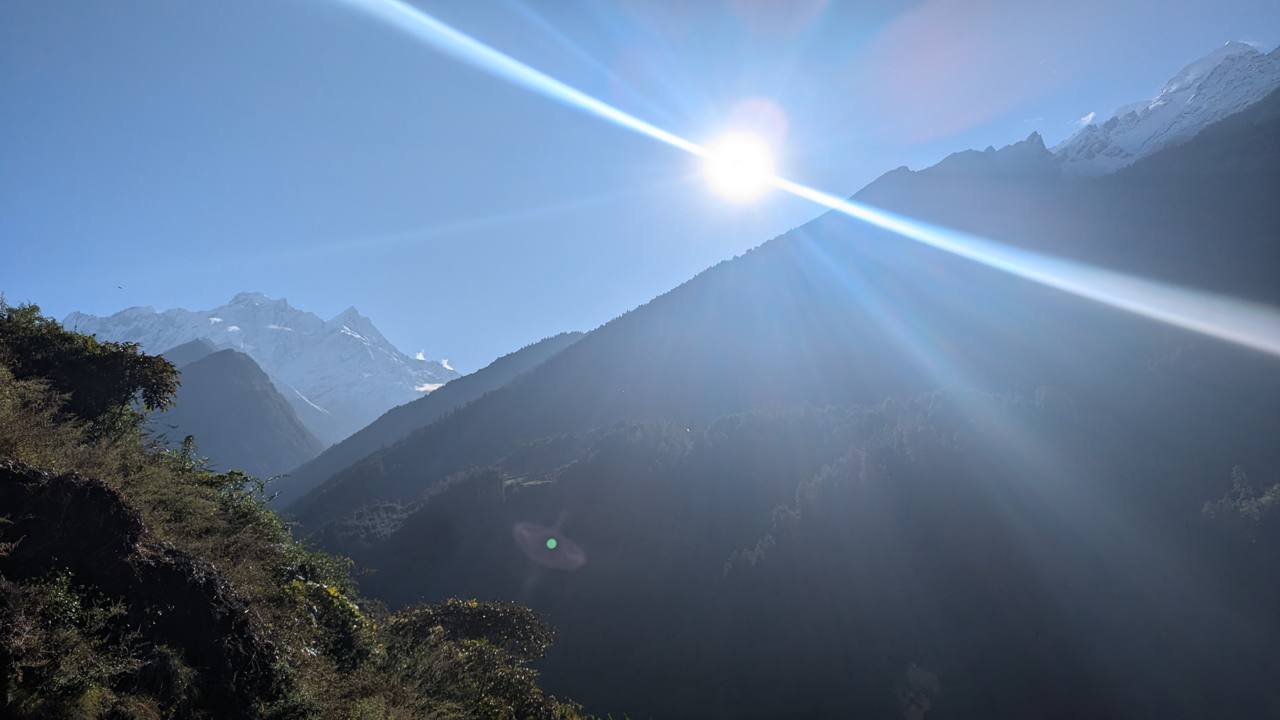
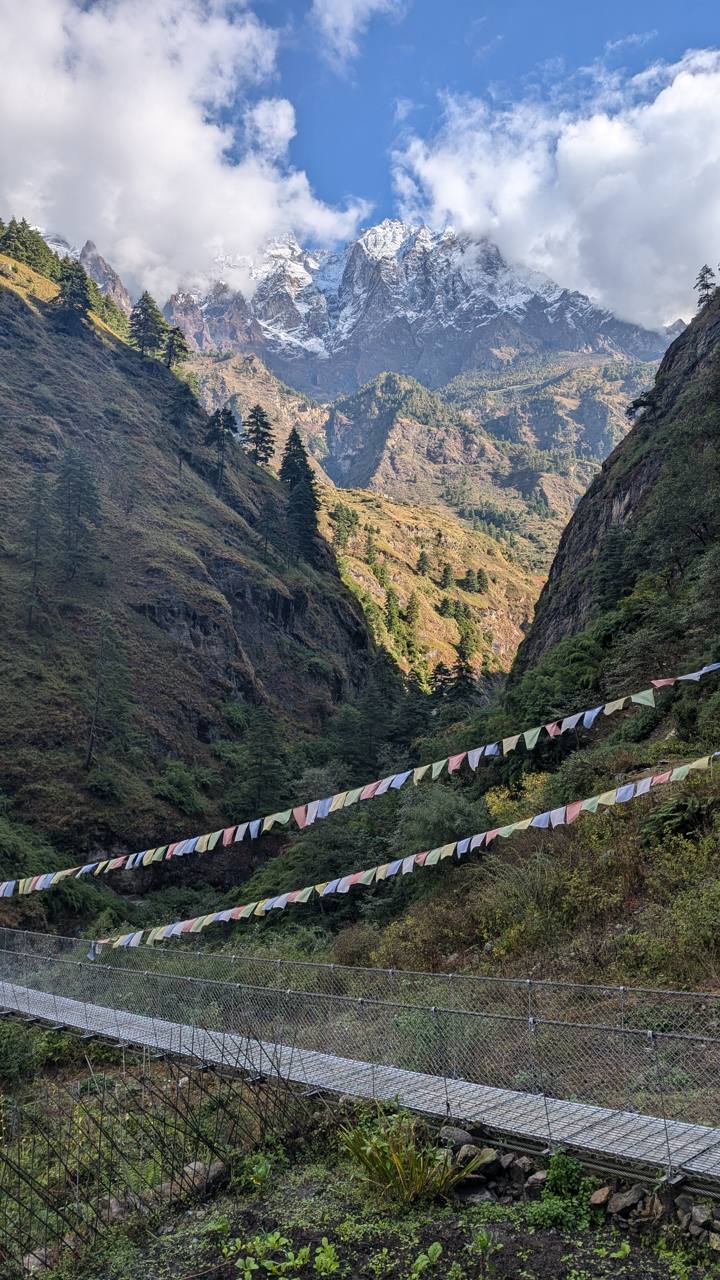
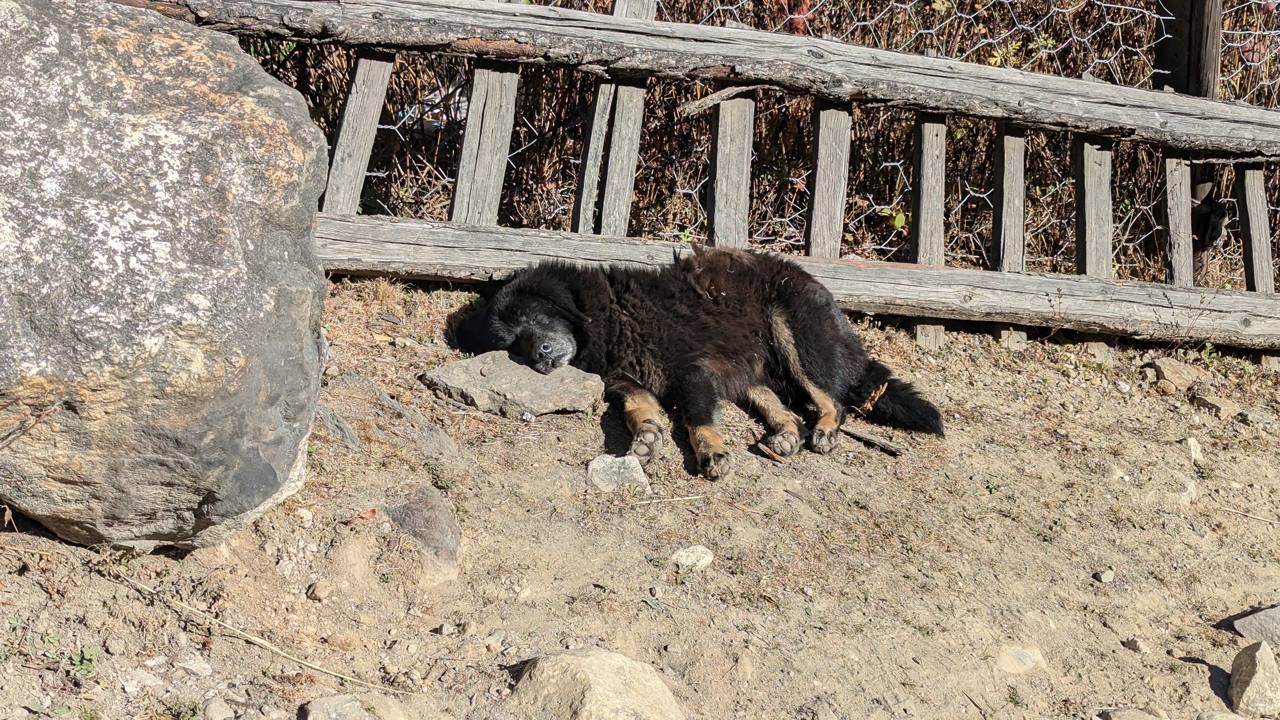
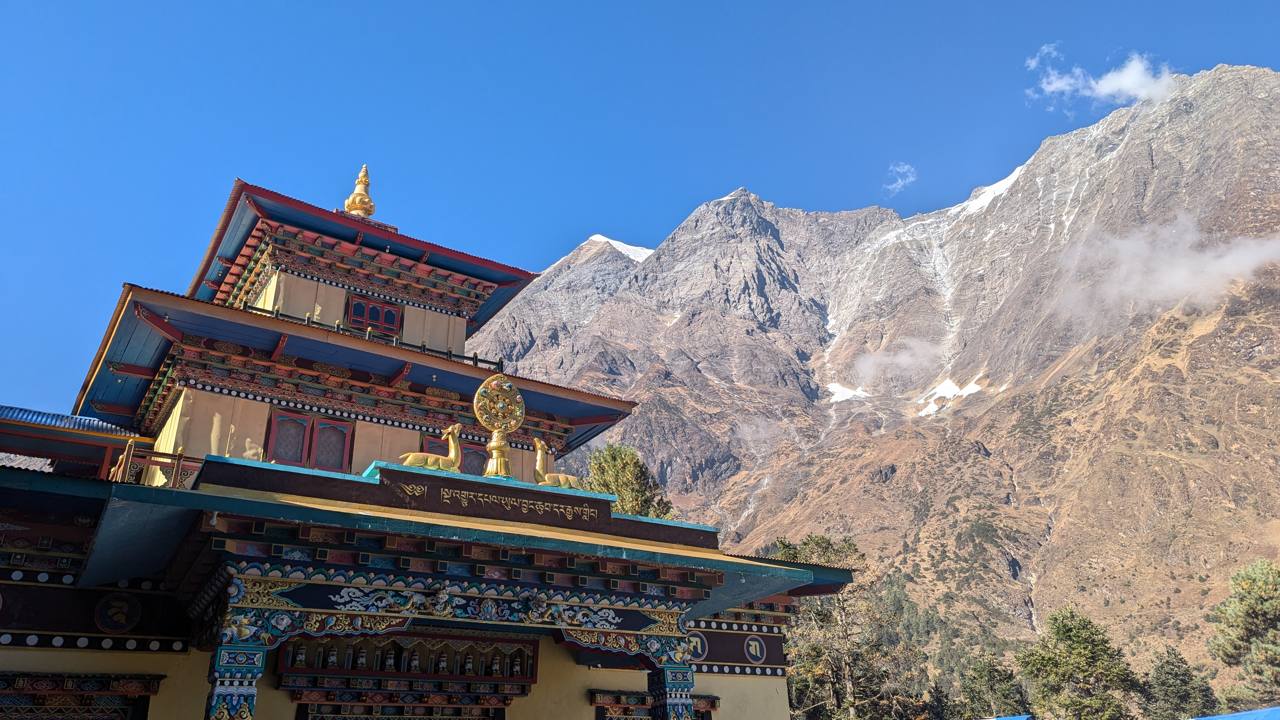
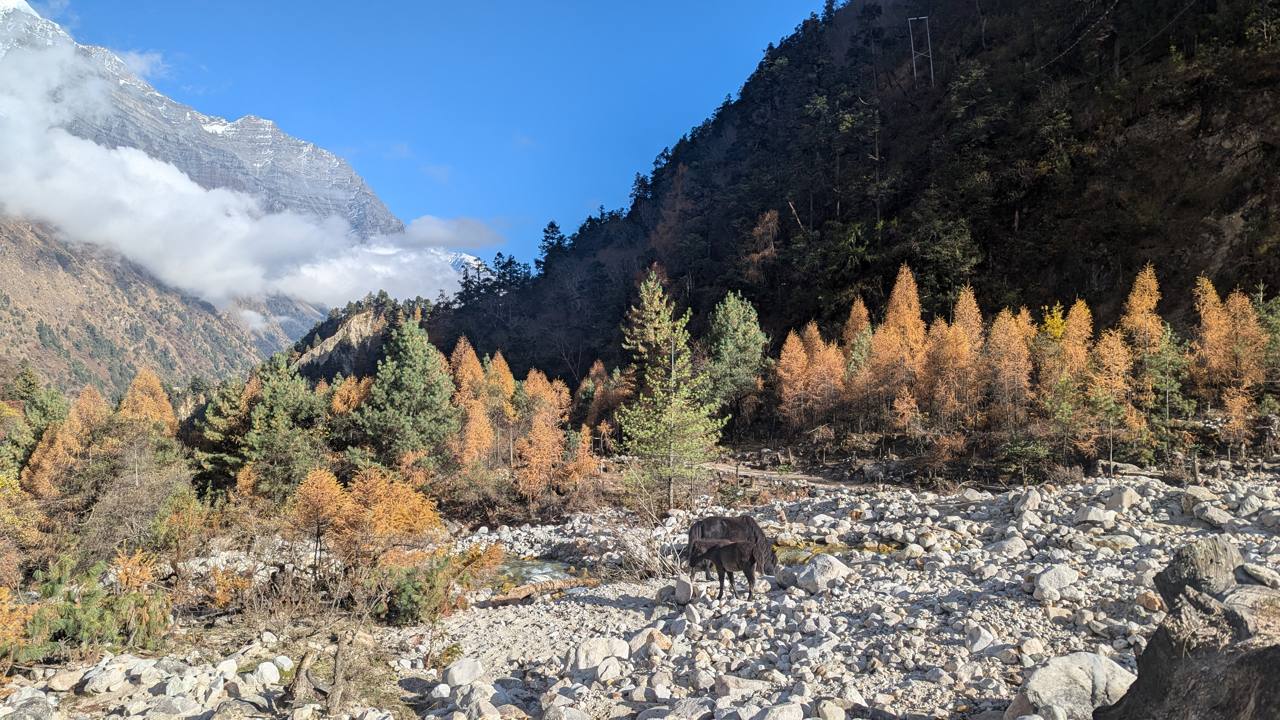
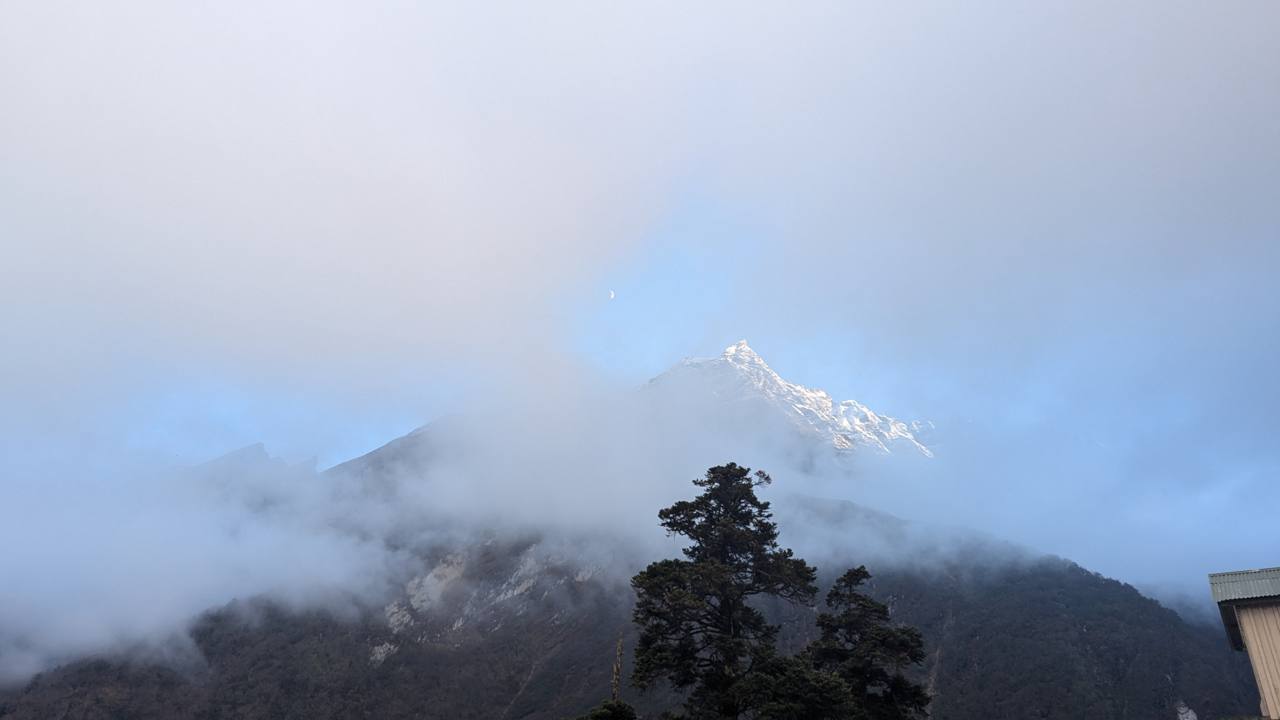
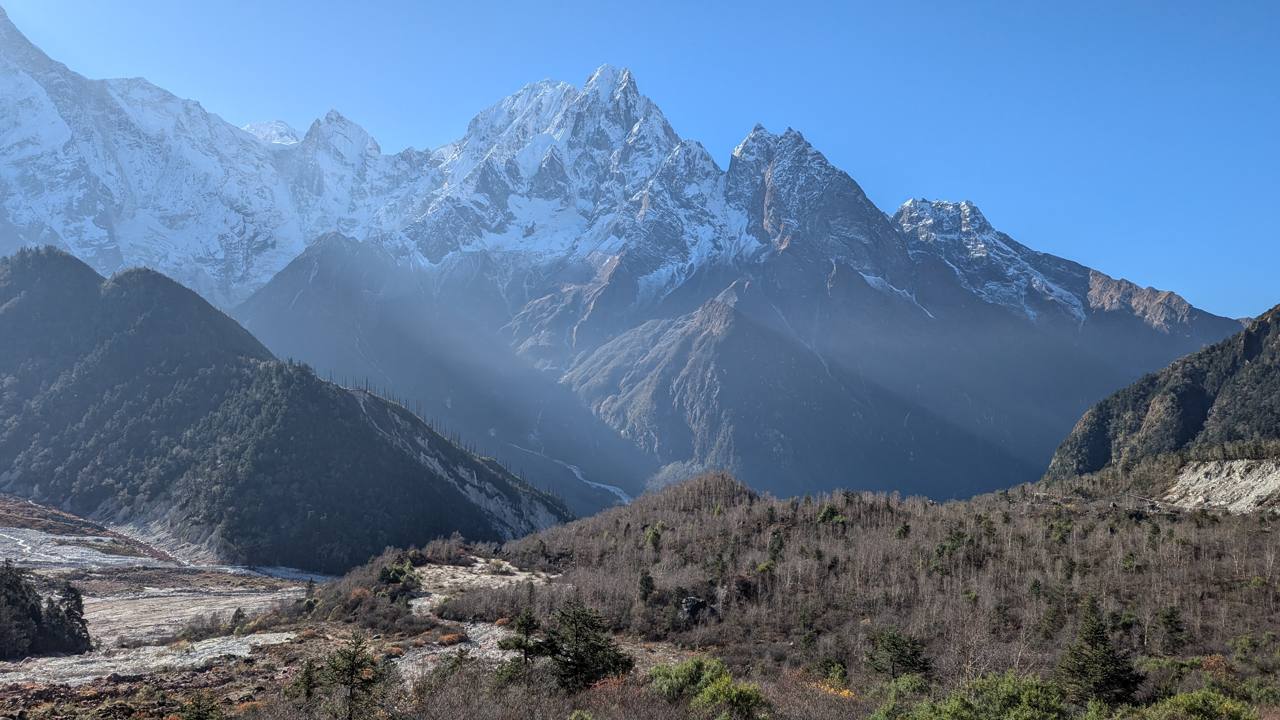
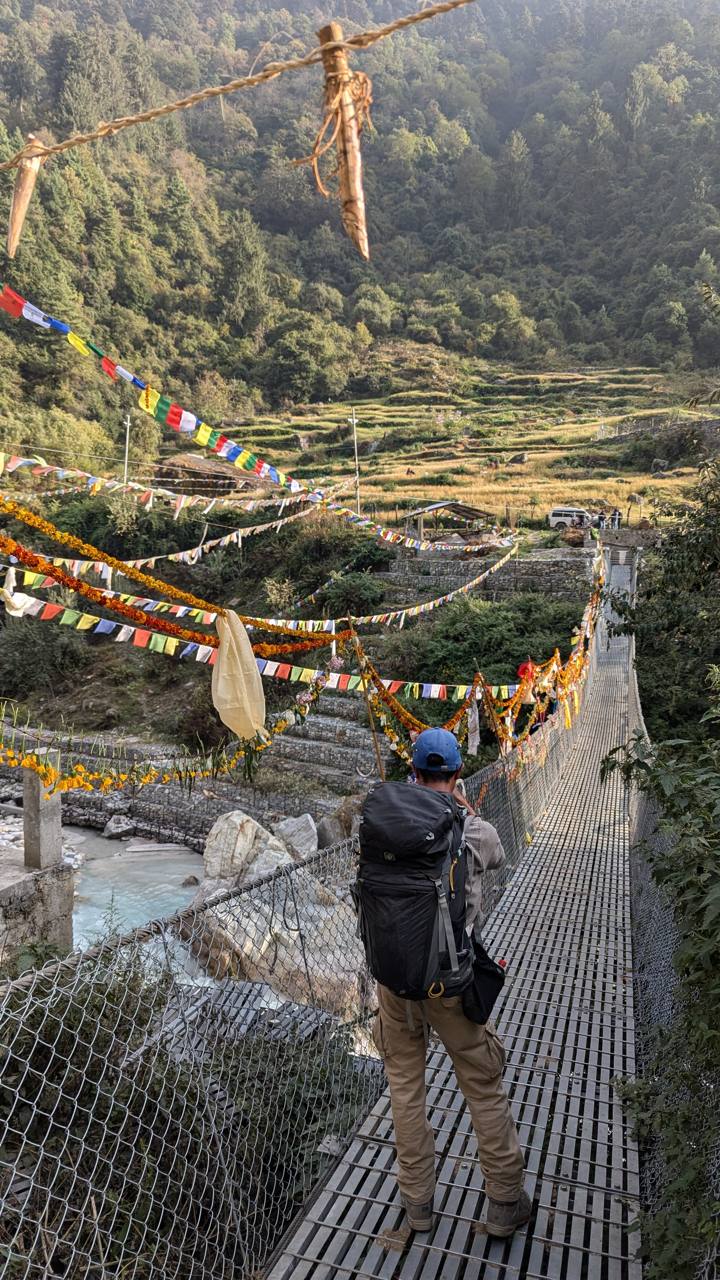
Misty mountain ranges, prayer flags, Tibetan monasteries, yaks and baby yaks, donkeys on the trail, a black Tibetan dog that followed me for the last 39 minutes of a day, and a lot of dal bhat.
Chapter 1: The Preparation
Physical
The more fit you are, the more fun you have, the more you can look around and enjoy the scenery.
You are fine if you can do any, or better all, of these:
- run 10 kilometers without stopping
- walk 20.000 steps per day
Tour, Hotels, Permits, Food & Drinks, Guides & Porters
If this is your first time, pick a travel company to handle all this as a package.
If you know what to do, you are still required to have guide(s) and permits. Tour and hotels might be negotiable. Food & drinks you can prepare yourself. Porters is optional if you can carry your equipment.
The guide is the most important person that you need. Go through some reference if you have, or just “interview” and “qualify” the guide to pick one. The guide is the person that takes care of you like your papa and mama, literally. They will tell you to continue or rest, walk faster or slower, where to stay, what to eat, what’s nice and worth checking around the areas. They are life savers when it comes to difficult situations when you need to communicate using the local language, dealing with emergencies, negotiating to give you the best food, drinks and accommodation at the best price possible. Above all, they will be good friends along the journey and you will definitely learn a lot from them. Pick your guide carefully.
Equipment
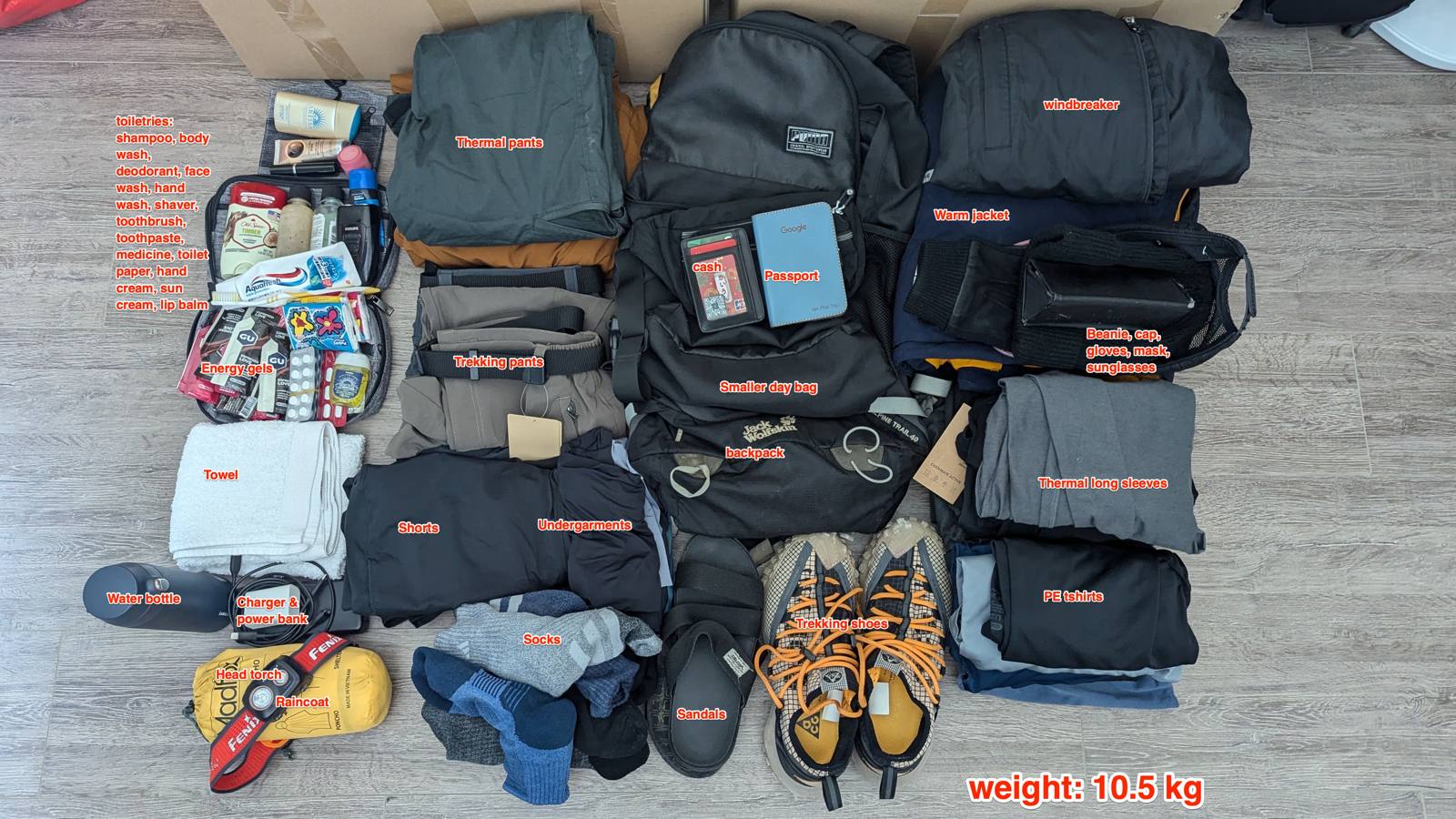
Depends on what you are trying to achieve, your personal style and physical condition, i categorize equipment into 3 categories: “Must-Have”, “Normal” & “Just-to-Be-Sure”
| Must-Have | Normal | Just-to-Be-Sure | |
|---|---|---|---|
| Top | |||
| Backpack | 40–50L, adjustable straps | - | Lightweight rain cover |
| Day bag | 10–20L, waterproof | - | Foldable for emergencies |
| Beanie | Fleece or wool | - | - |
| Cap | Wide-brim or baseball style | - | - |
| Sunglasses | Polarized | - | Spare pair |
| Windbreaker | Windproof, water-resistant | Compact and packable | - |
| Warm jacket | Down or synthetic fill | - | - |
| Thermal long sleeves | Merino wool or synthetic (x2) | - | - |
| Shirts | Quick-dry, moisture-wicking (x3) | - | Cotton T-shirt for camp |
| Gloves | Fleece or insulated | Thin gloves for layering | - |
| Bottom | |||
| Trekking shoes/boots | Waterproof, ankle support | Broken-in pair | Spare laces |
| Trekking pants | Quick-dry, convertible to shorts | Lightweight cotton pants | - |
| Thermal pants | Merino wool or synthetic | - | - |
| Sweatpants | Fleece or cotton | - | - |
| Undergarments | Moisture-wicking, seamless (x5) | Cotton for evening use | - |
| Socks | Wool or synthetic blend (x5) | Thin liner socks | - |
| Sandals | Lightweight, sturdy | - | Flip-flops for showers |
| Sleeping bag | Rated -10°C to -20°C | - | Liner for extra warmth |
| Trekking poles | Adjustable, lightweight | - | - |
| Water bottle | Insulated | Hydration bladder | Spare collapsible bottle |
| Toiletries | |||
| Toiletries kit | Biodegradable soap & compact towel | Toothbrush & toothpaste | Shampoo & deodorant |
| Sun cream | SPF 50+ | - | Aloe vera for after-sun |
| Hand cream/lip balm | Hydrating | - | Spare tube of each |
| Head torch | LED, spare batteries | - | Mini flashlight backup |
| Misc | |||
| First aid kit | Bandages, antiseptics, medicines | Painkillers, blister pads | Emergency thermal blanket |
| Snacks | Energy bars, trail mix | Chocolate or granola | High-calorie freeze-dried meals |
| Charger | Portable power bank | Solar charger | Spare cables |
Other than these items, there are optional and/or fun & handy items that you should bring along:
- mini mercury thermometer
- foldable clothing hanger(s): sometimes hanging inside is the only solution
- feet massage solutions oil & tools: greatly help to ease the muscle
- dried food: fruits, candies, sweets, crackers: sharing just a small candy during a difficult part can make a huge difference
Techniques
Uphill, Flat & Downhill
This is my personal technique, from running:
- Synced breathing & steps: 1-1 or 2-2, 1 step 1 breath in or 2 steps 2 breaths in, similarly 1 in 1 out, 2 ins 2 outs
- Synced alternate hand and foot to keep balance: left hand and right foot. I don’t use trekking poles, i use my feet to move around and hands to keep balance
- Uphill: lean upper body a bit forward, use forefront of the feet to land, minimize hand movement, stride length: small, 40-60 beats per minute BPM
- Downhill: lean upper body a bit backward, use forefront of the feet to land, land before a deeply earthed rock as anchor, flexible ankle, maximize hand movement to keep balance, 70-90 BPM
- Flat: dont sweat it, walk in the park, enjoy the scenery, be normal
Once your breathing and steps are 100% in synced, adjusting BPM & stride length will give you the gears to move faster, slower at will. Then to sustain the treks you just need to know your current Heart Rate zones, if you’re at zone 1 or 2, you can last for tens of hours. If you start to enter zone 3 or above:
- if you are taking this as an exercise, zone 3 or 4 is acceptable but be aware of the team, you may be too fast for them
- if you want to dont sweat much and enjoy: slow down, zone 1 or 2 is the “easy” zones
Acclimatization
Climb High, Sleep Low
Originally i thought acclimatization means just stay at a certain altitude and just rest for the whole day. The correct technique is to climb 100-200 meter higher than the place you’ll stay for the night.
Altitude Sickness Prevention
- Eat carb, protein and fruits, prioritize energy over taste
- Drink (more than) enough water
- Walk slowly, but steady
- Acclimatize, as mentioned above
- Stretch and warm up before and after
Mountain Rules
- Respect the nature, local people and culture, especially your guide
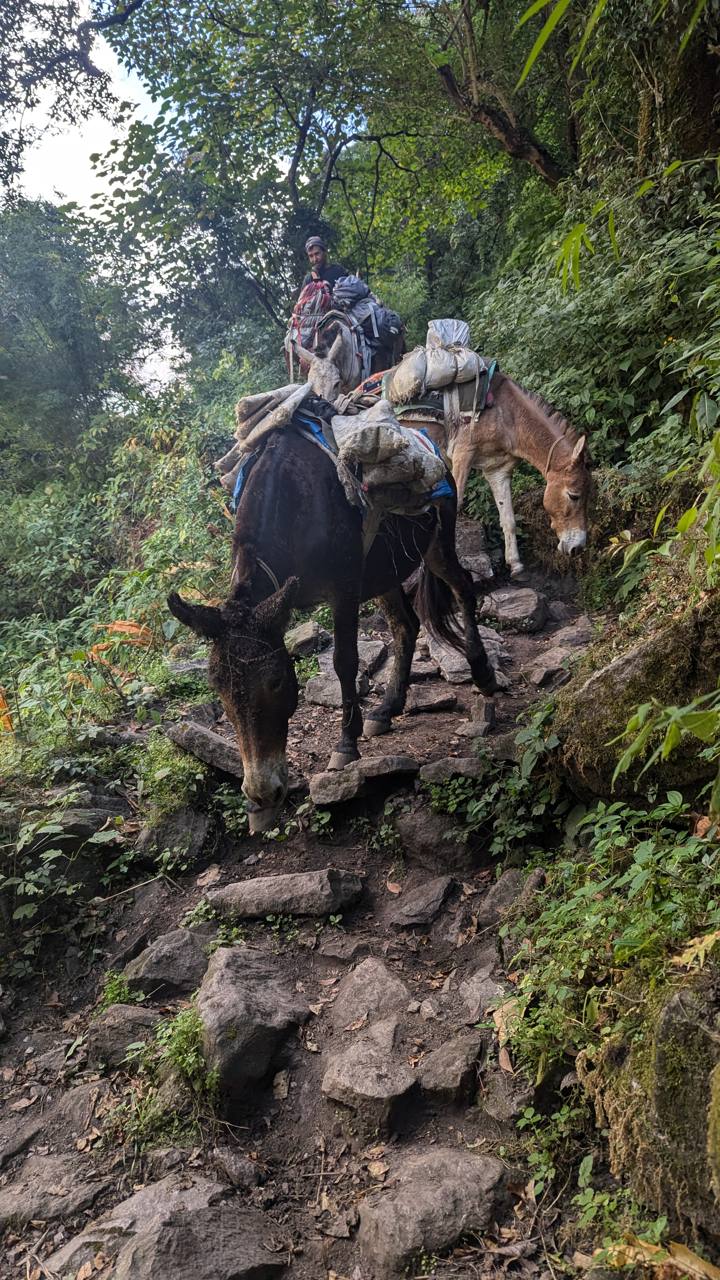
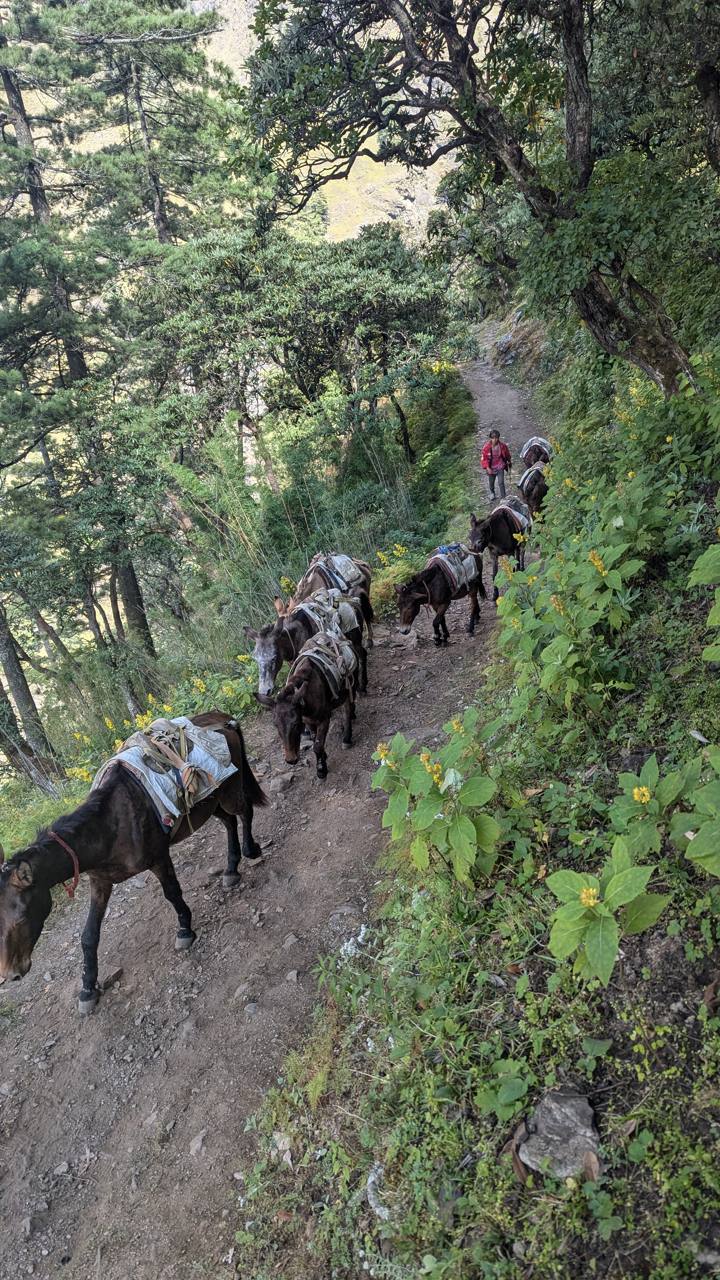
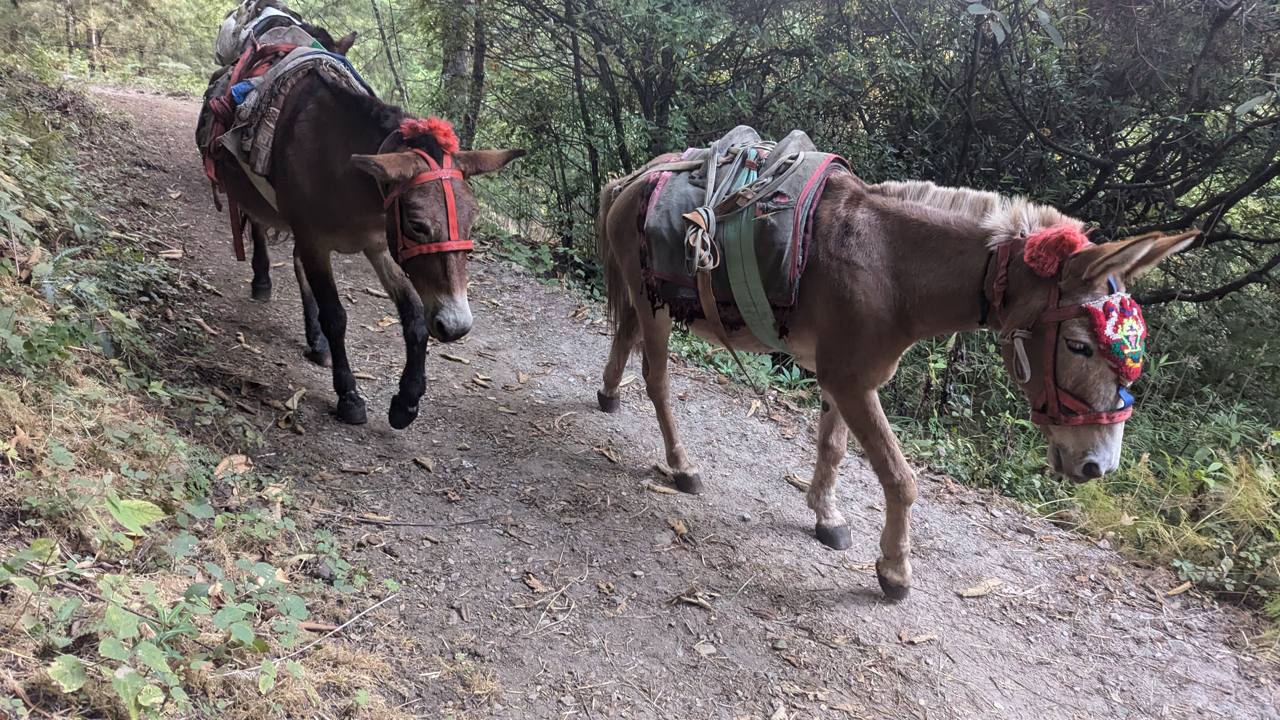
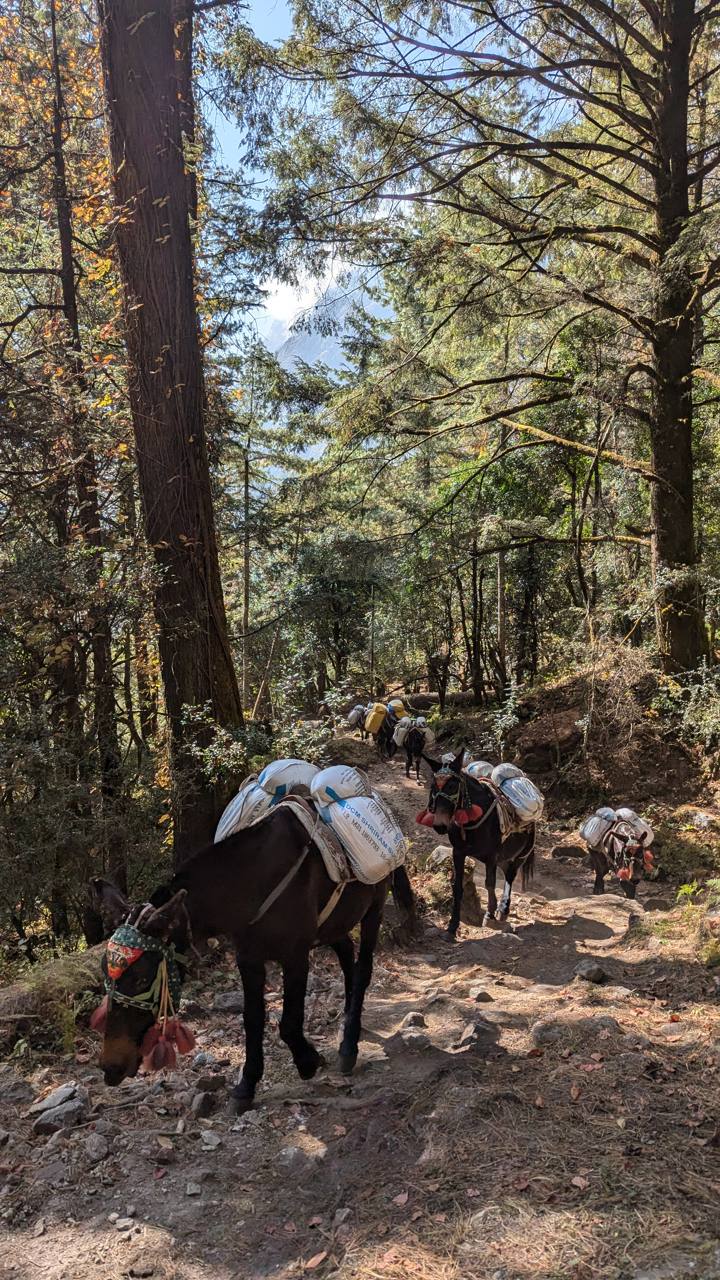
- Stop on the wall side, never on the cliff side. You will encounter donkeys, horses, cows & yaks; they have the right of way
Chapter 2: The Journey
Last alert before you’ll start to see the alluring photos, if you want to truly enjoy this trip, stop here, Chapter 1 is enough.
The whole trip is a 3-week 2-in-1: Tsum Valley first, then the Manaslu Circuit. These are my daily notes, lightly cleaned up.
Kathmandu & Bhaktapur
Day -1 (Oct 25-26): Bangkok → Kathmandu
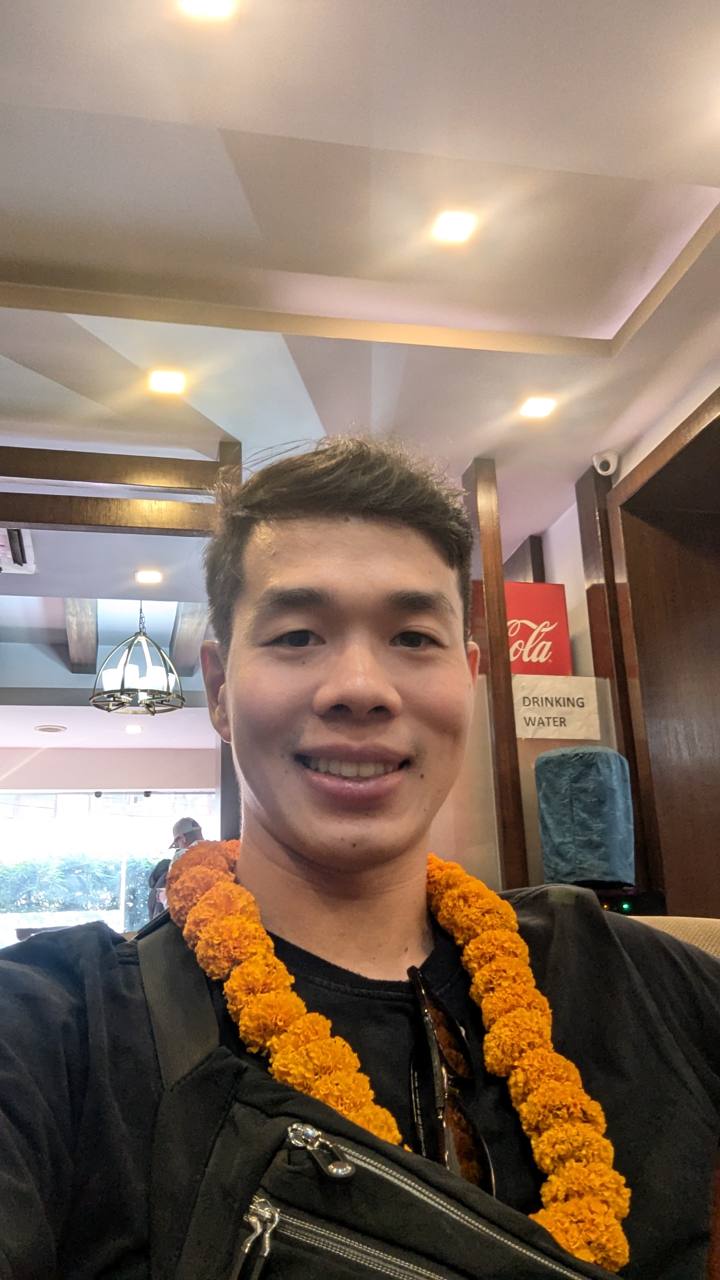
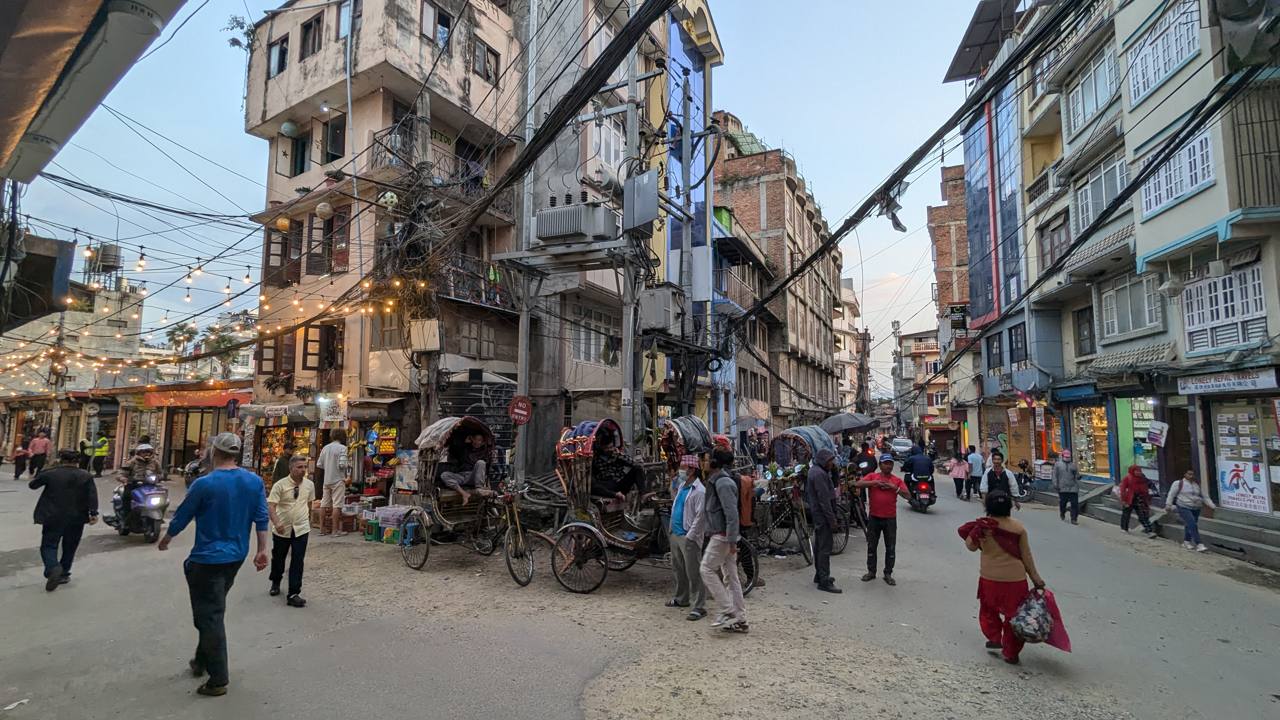
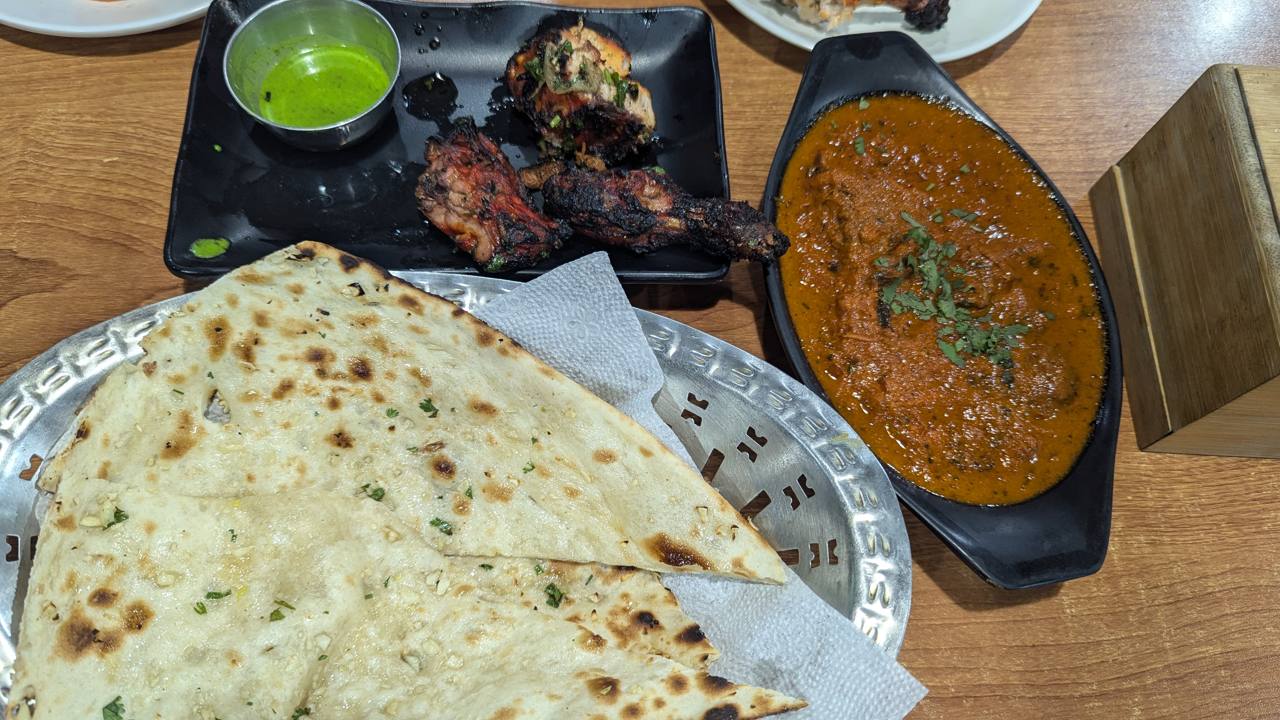
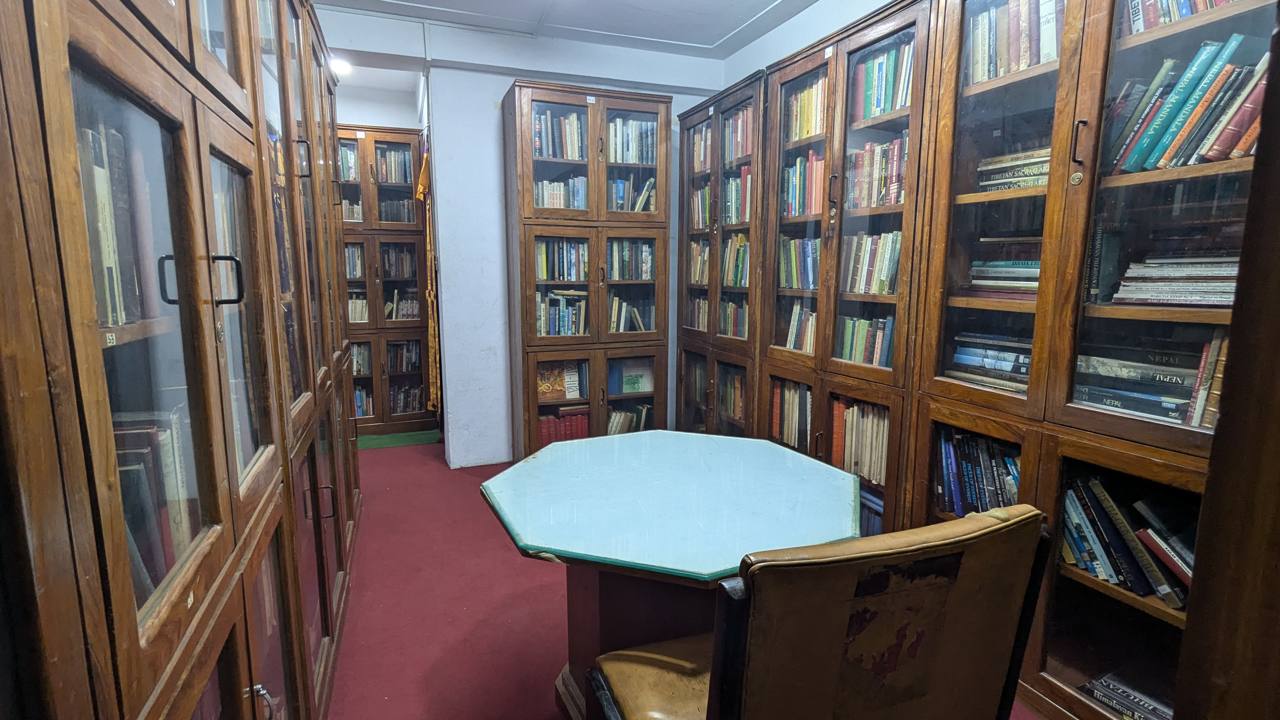
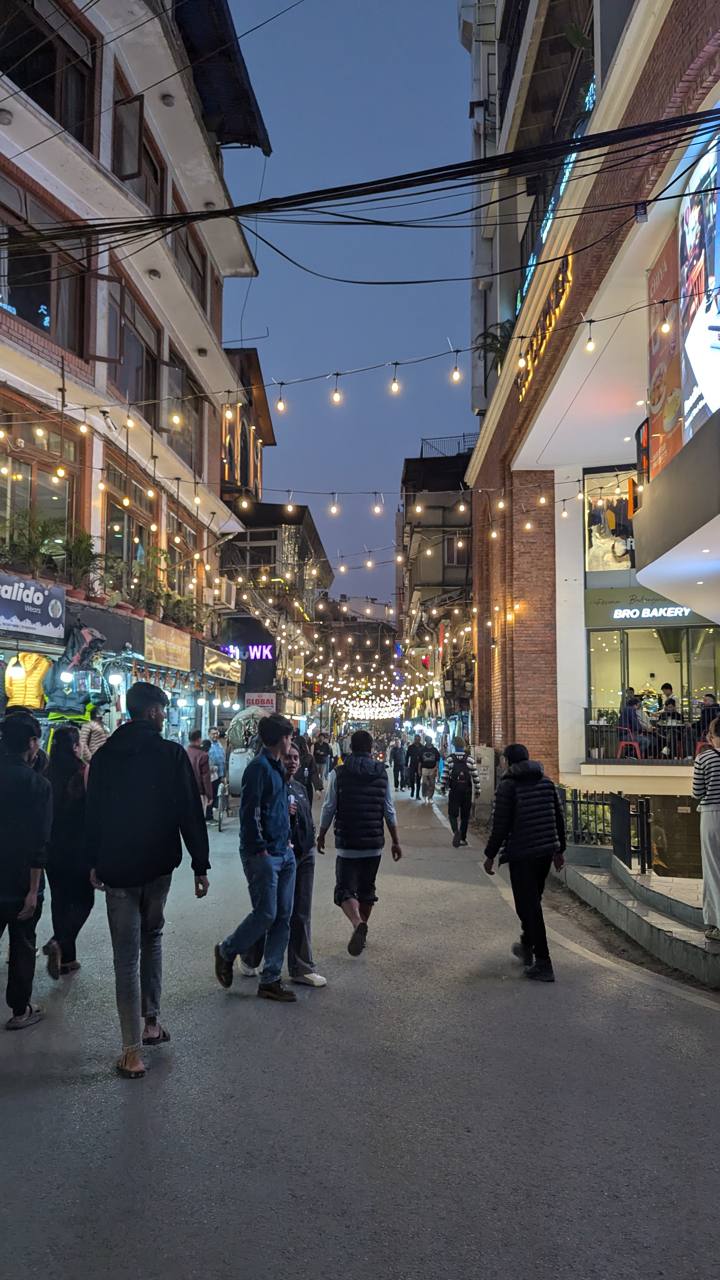
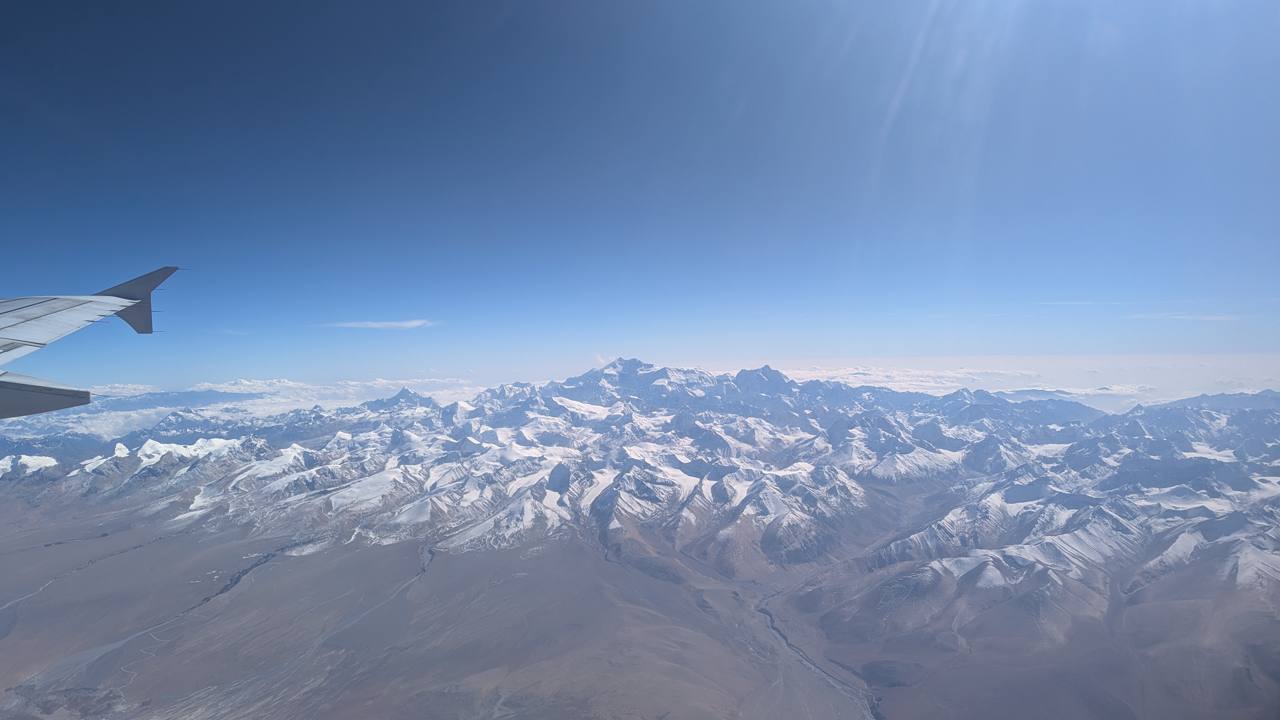
A quick flight to Bangkok and an overnight stay. At King Power I found my favorite chewy candy and bought 4+1 without hesitation; it ended up everyone’s favorite snack on the trip. Interesting conversations on the Bangkok to Kathmandu flight, mostly about learning from seniors at work. Nepal greeted me with misty mountain ranges far away. An evening walk around Thamel, great garlic naan with chicken masala, and a gem of a bookstore full of 1910-1920 old books. It reminded me of dad. About 24°C.
Day 0 (Oct 27): Bhaktapur
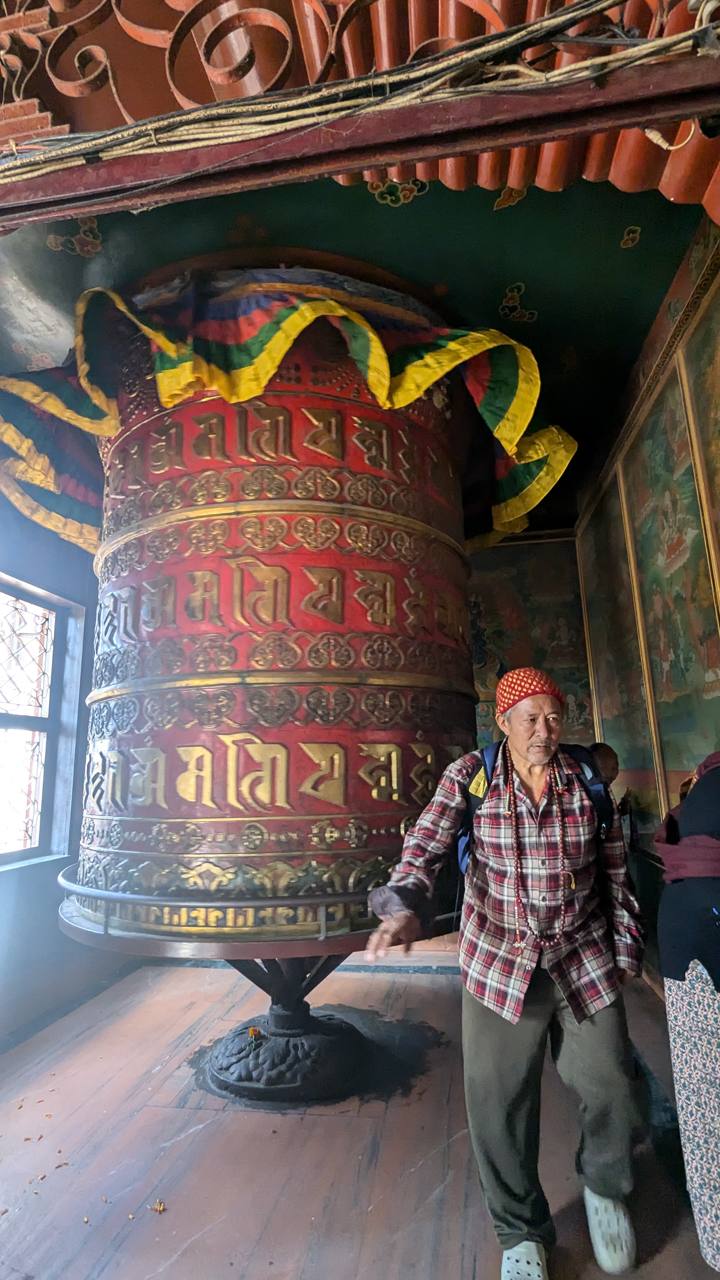
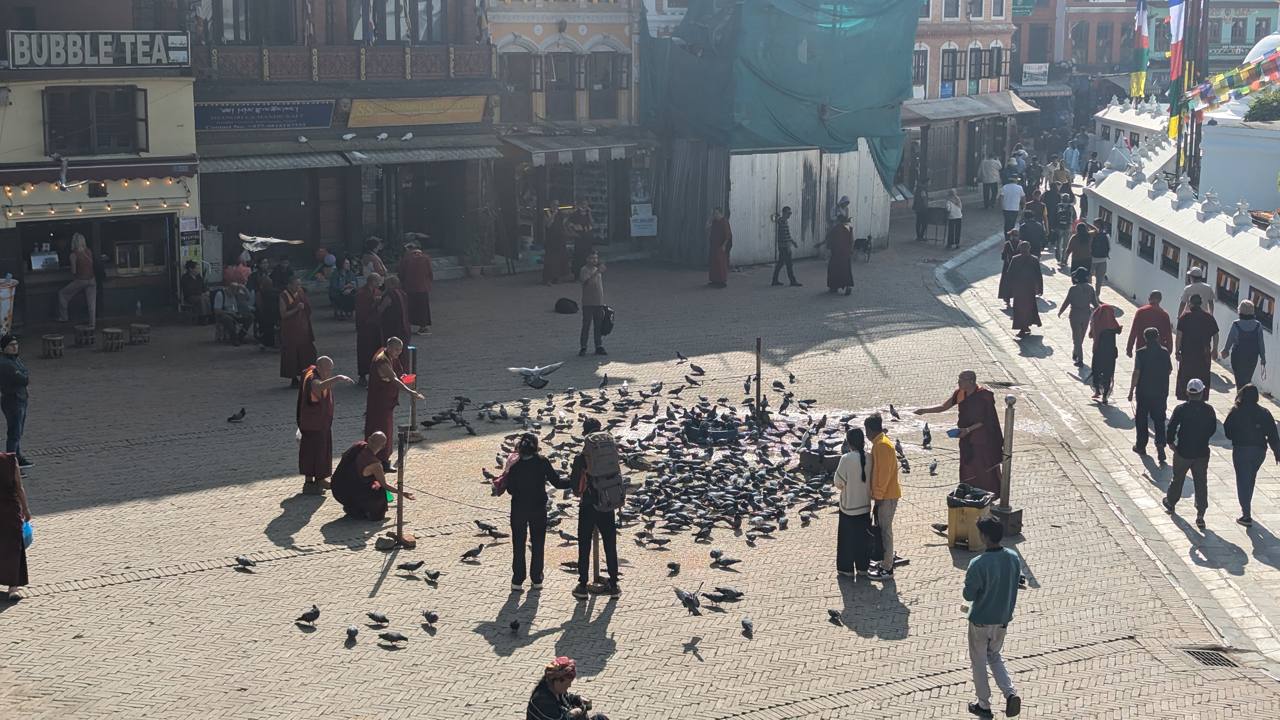
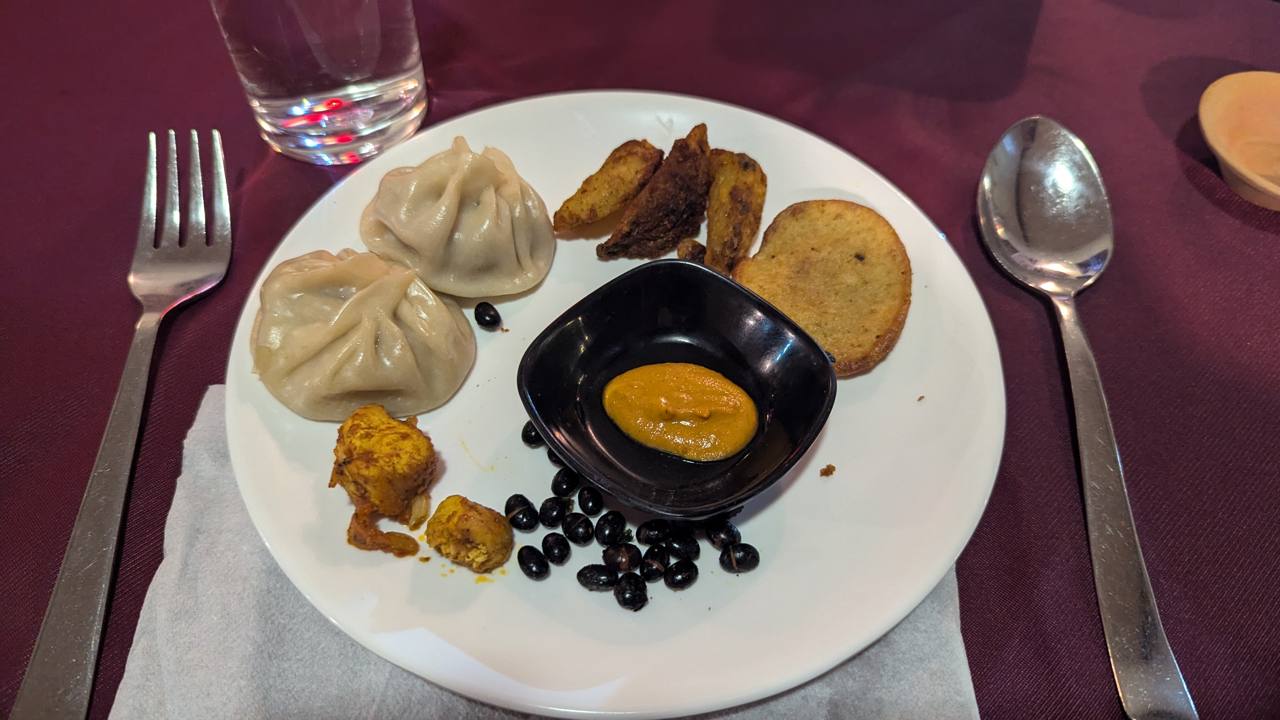
Squares, bazaars and sightseeing: how people lived in the past and how they live today. People there pray for wisdom the most, not wealth. I wandered random alleys and bought a khukuri from an ex-special-force army man. I discovered momo, great with the local, slightly spicy sauces, and tried chicken dal bhat for the first time.
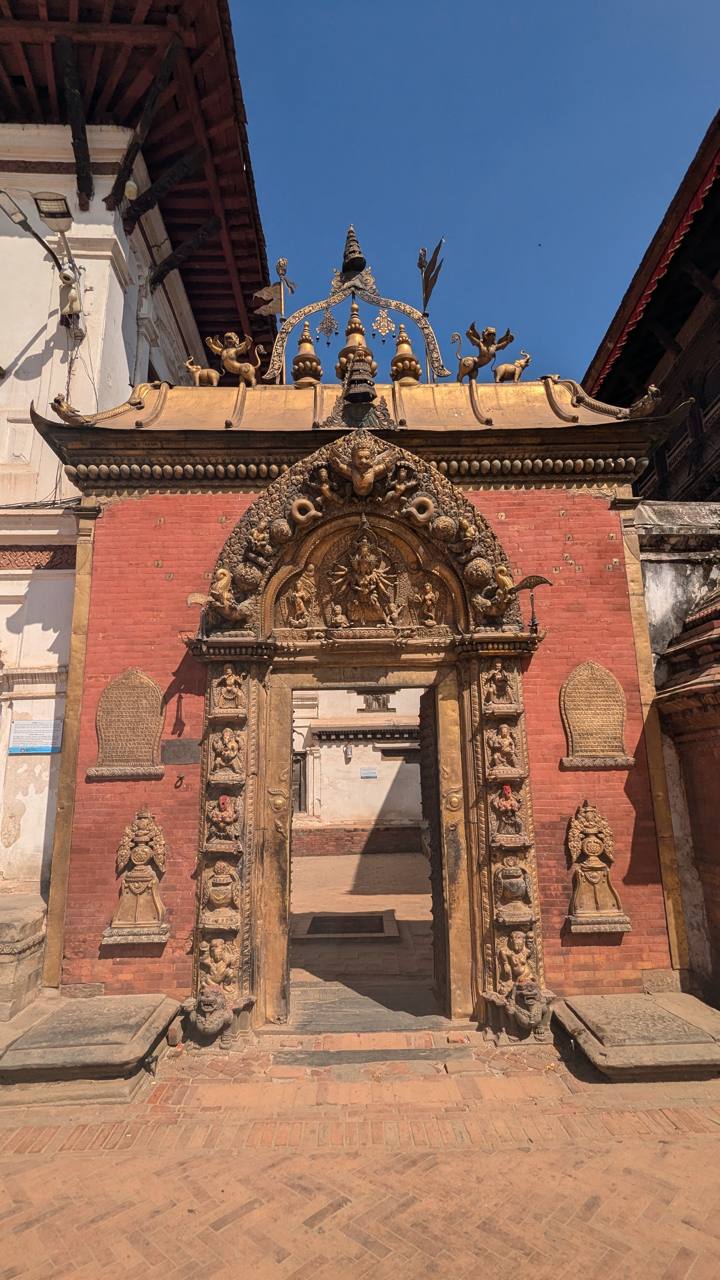
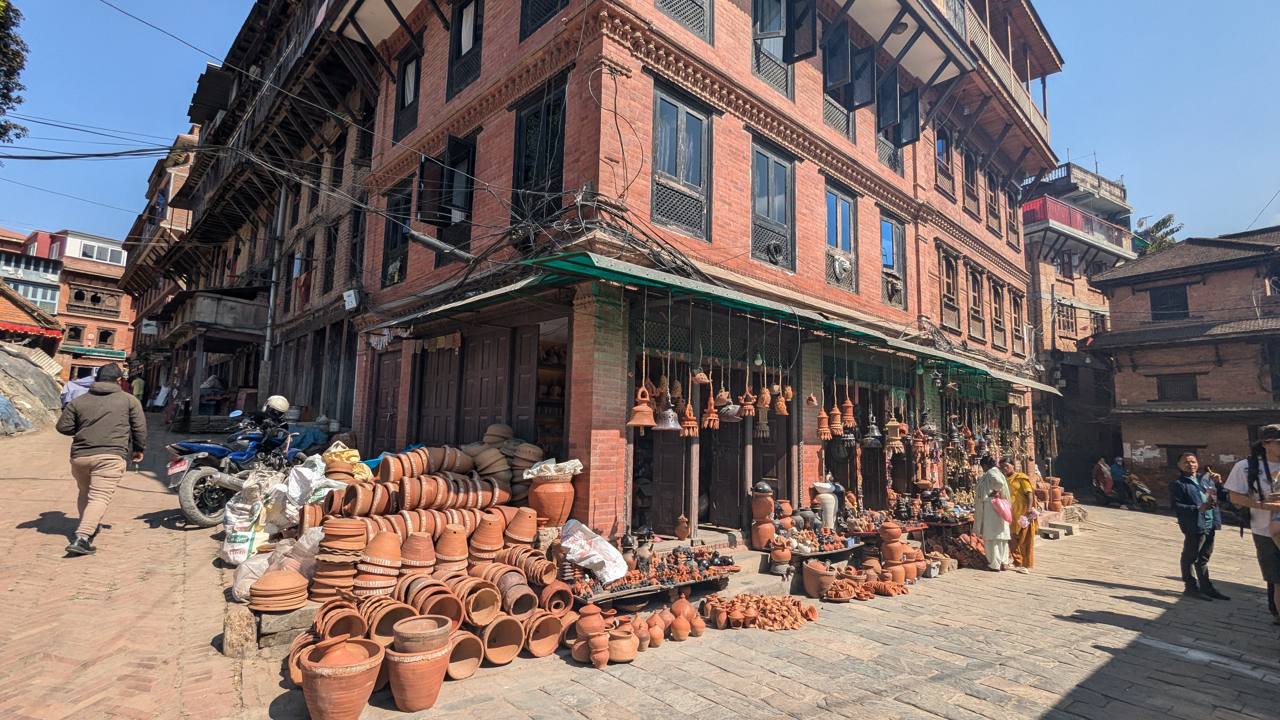
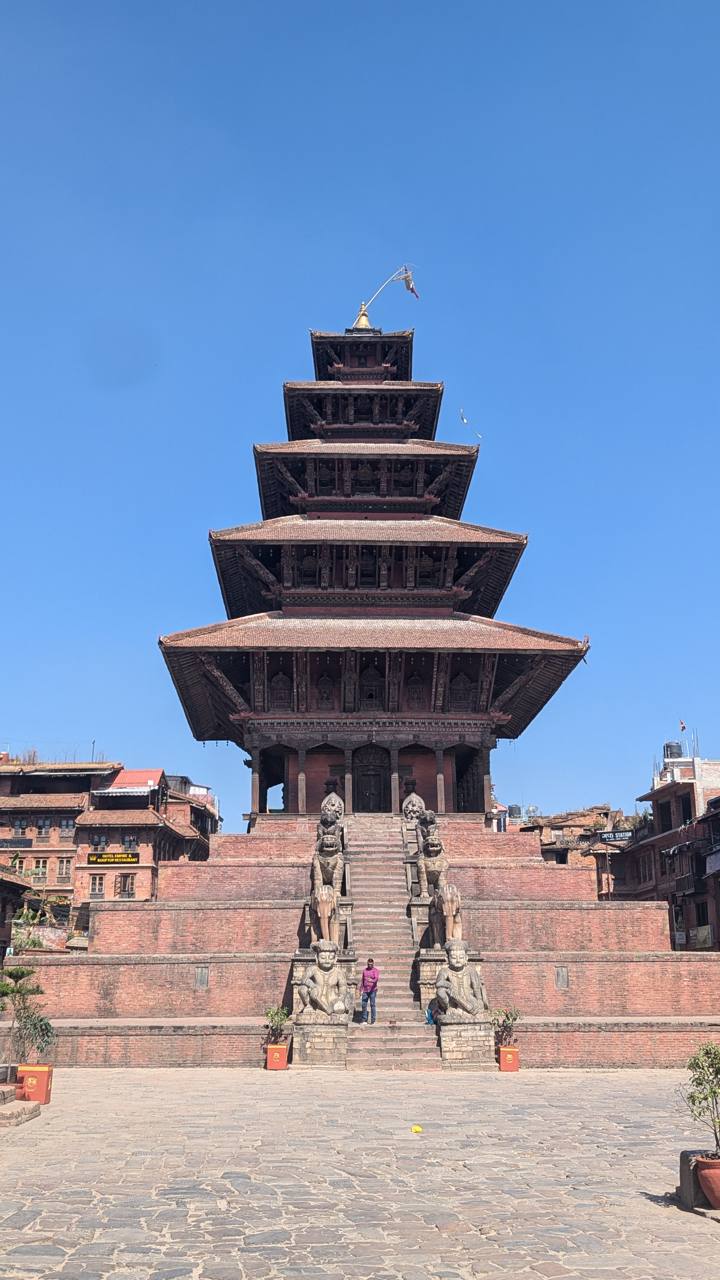
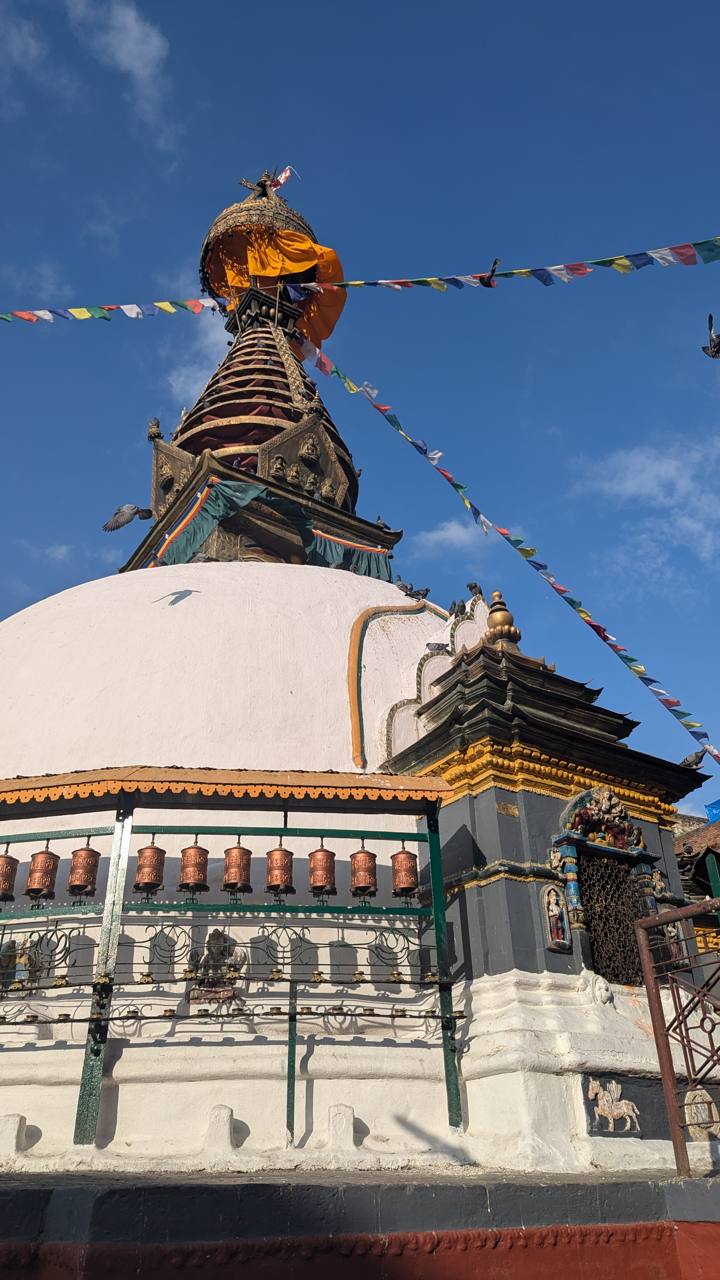
Tsum Valley
Day 1 (Oct 28): Kathmandu to Machha Khola, 900m
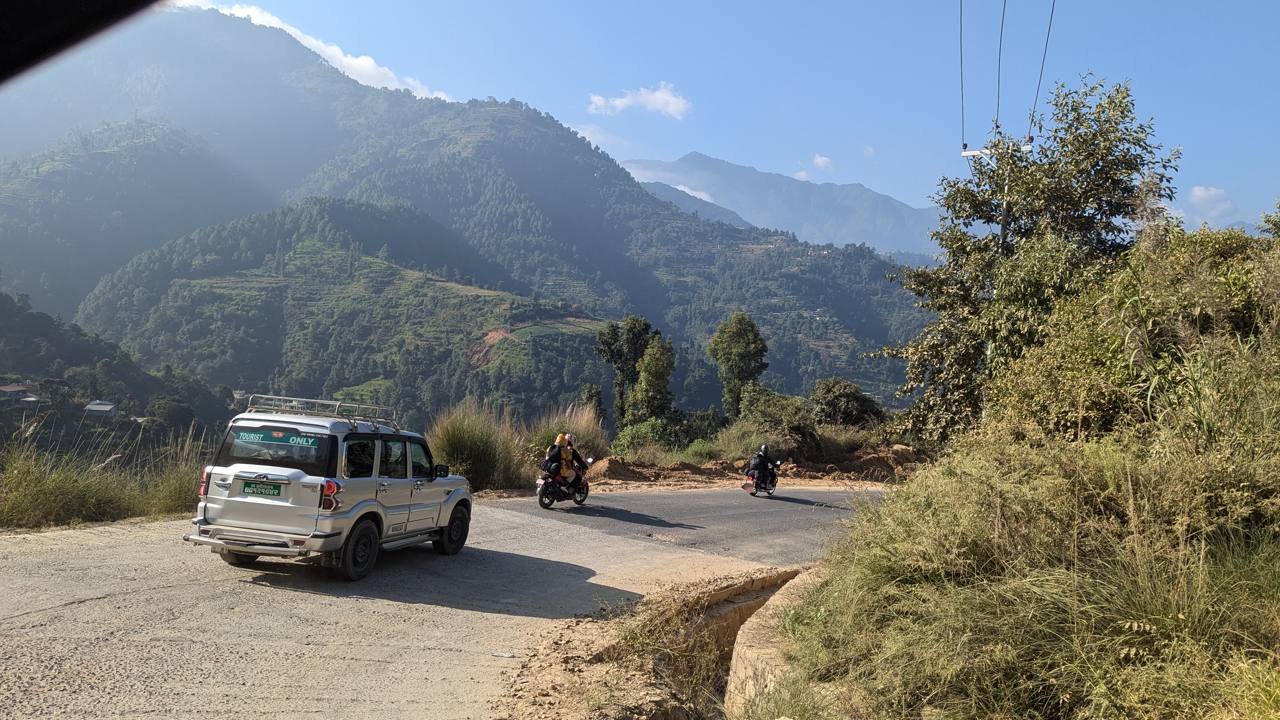
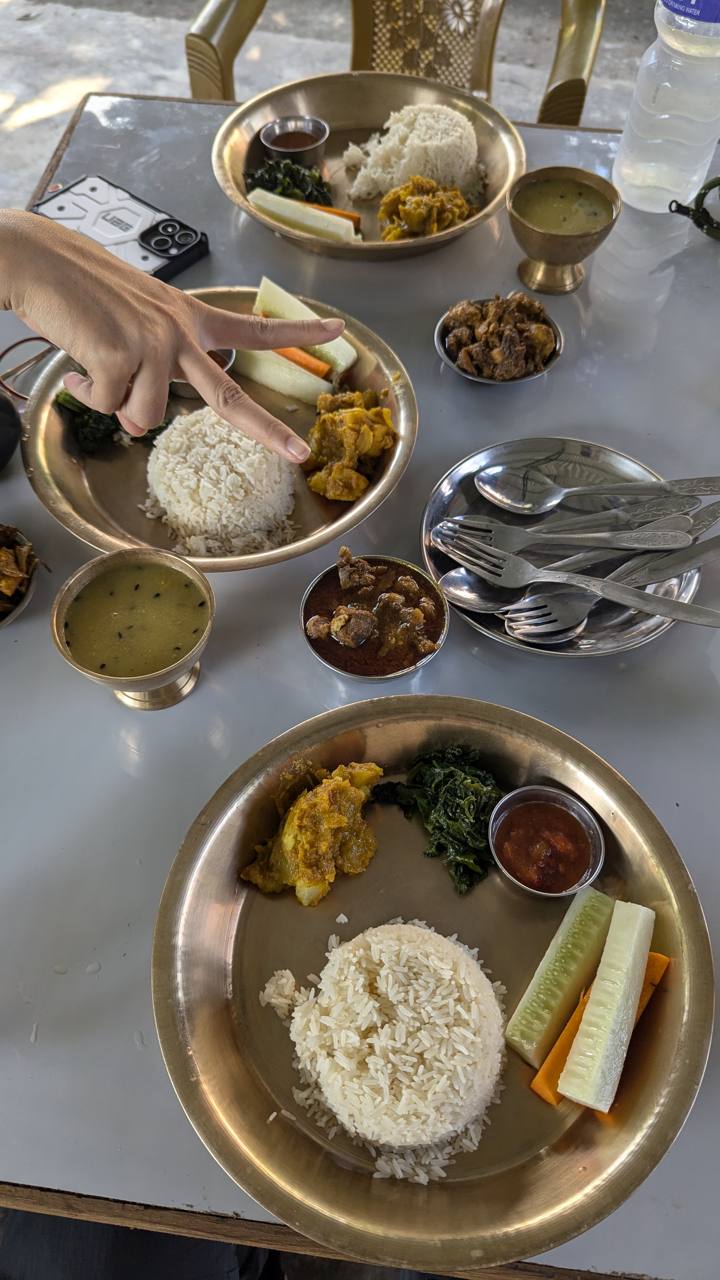
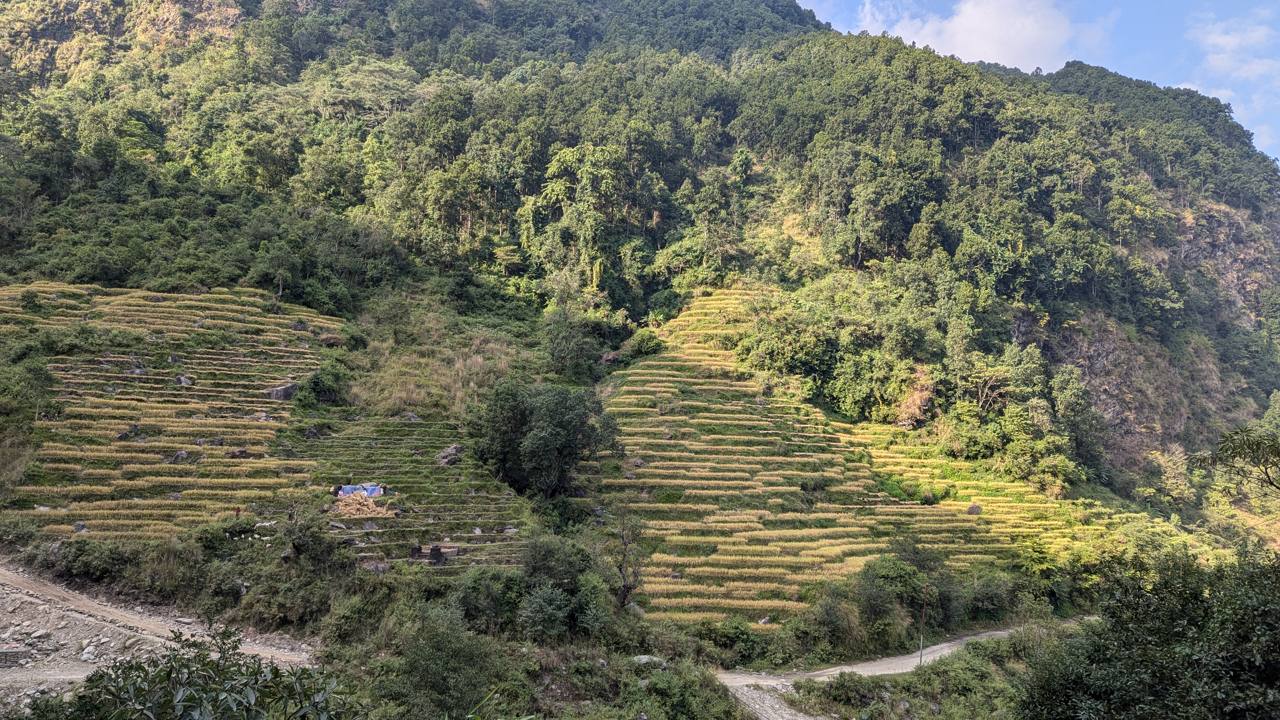
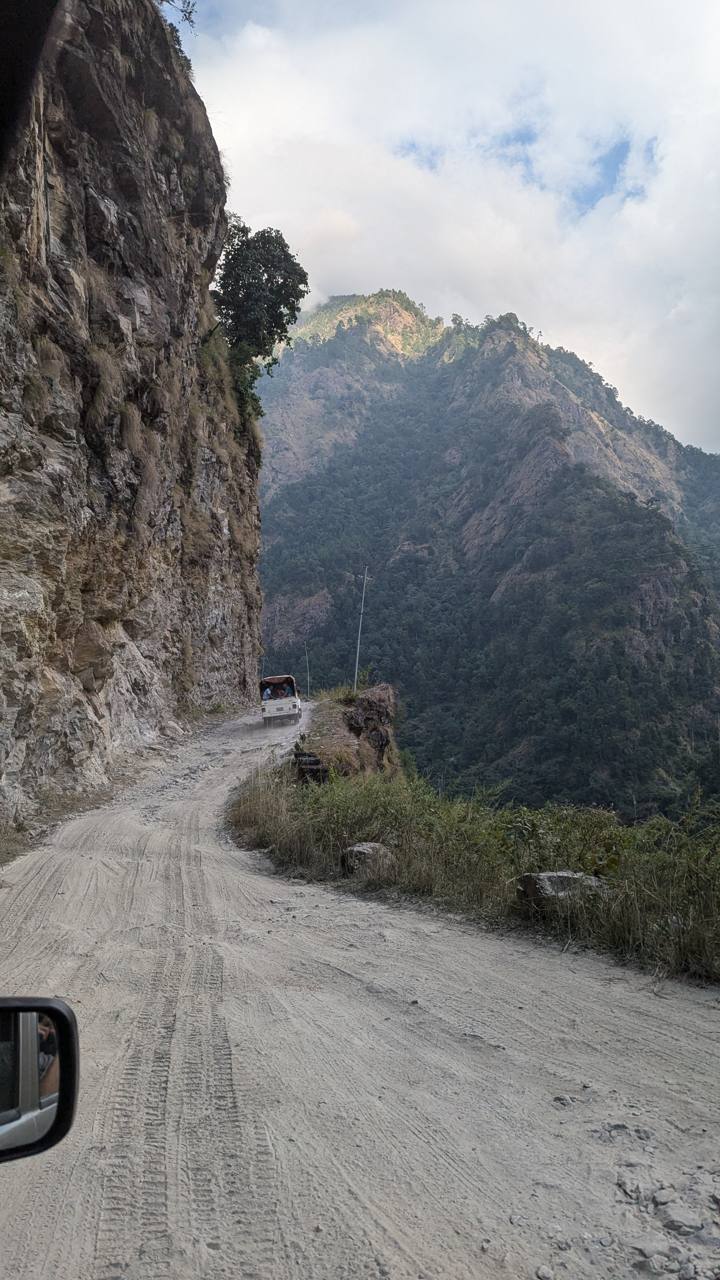
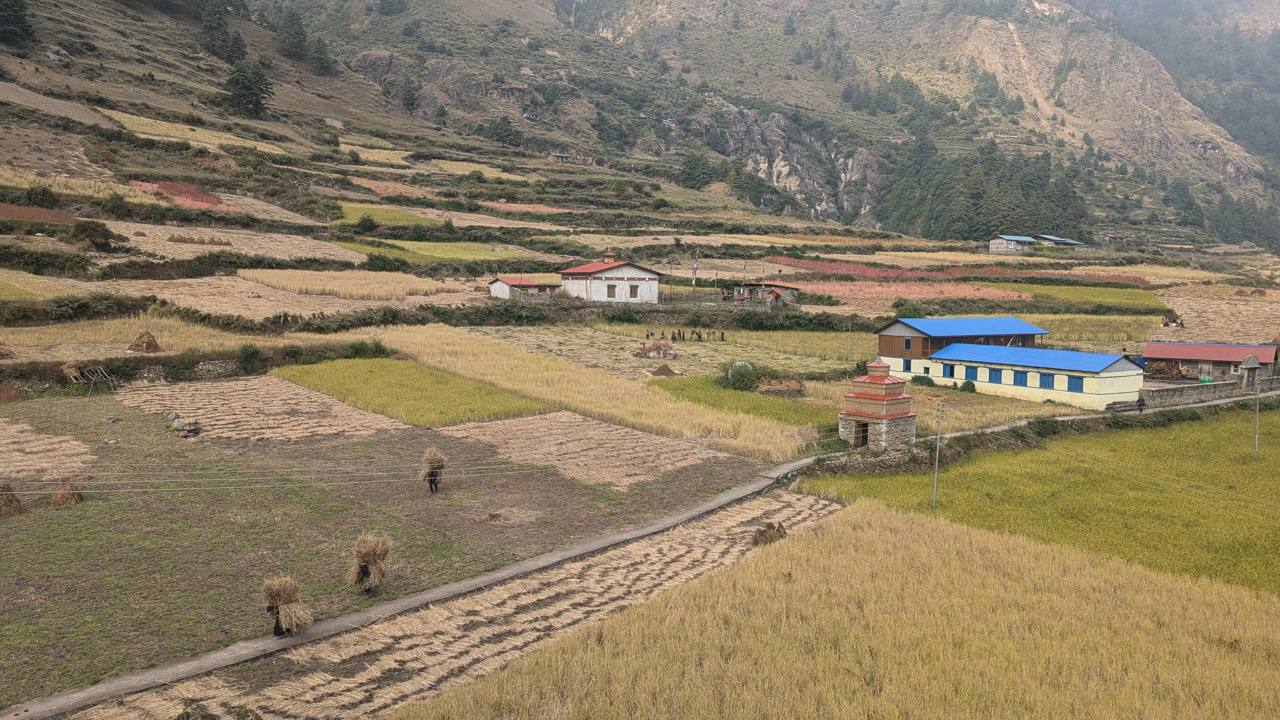
8 hours in an SUV, 4 on asphalt and 4 off-road, which is part of why I came. The landscape reminded me of north Vietnam: rice-field hills up high, small settlements by the river below. I used my motorbike balancing technique, lower body keeping the head stable, and it felt like dancing with the music and the car. The hour-long, single-melody Nepali songs sounded alien at first. Empty your cup and you’ll see wonders. Dinner was momo and chicken dal bhat, same as lunch. Our guide’s English is not perfect, yet he tried his very best to discuss the Nepal vs India women’s football match from the night before. He is also teaching the young porters to become future guides, with great leadership in his eyes and actions.
Day 2 (Oct 29): Machha Khola to Jagat, 900m → 1400m
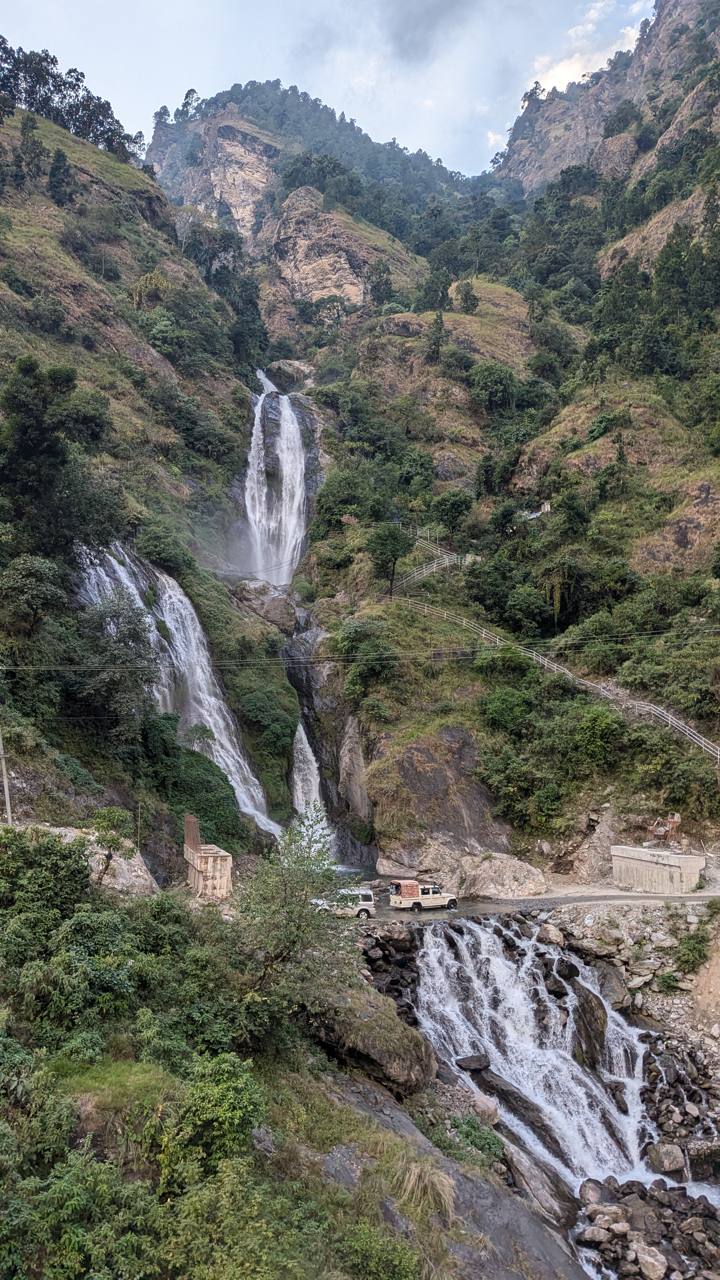
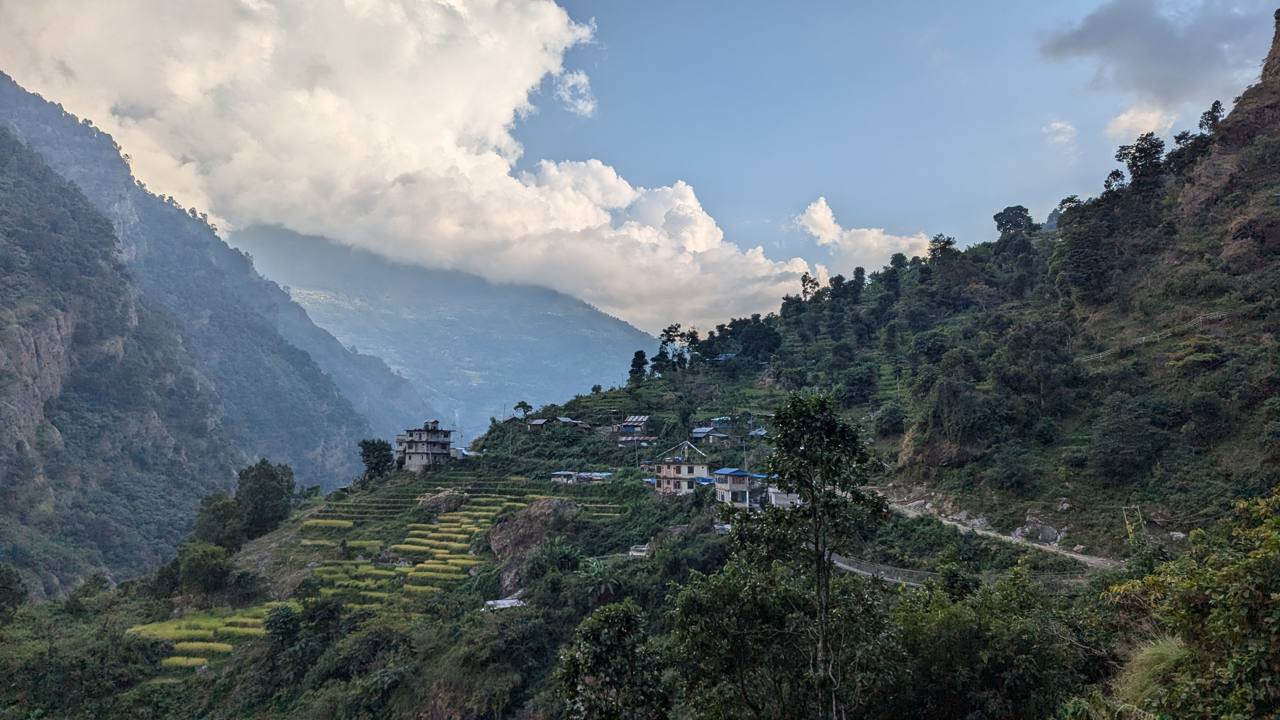
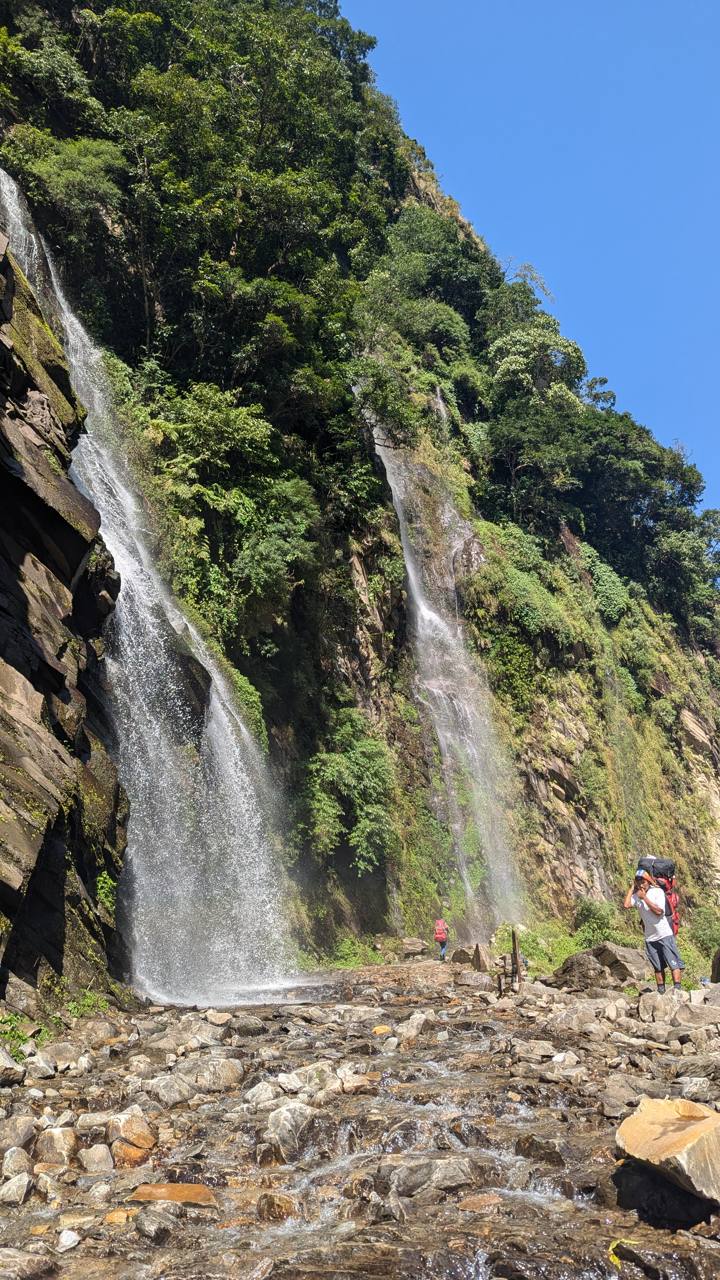
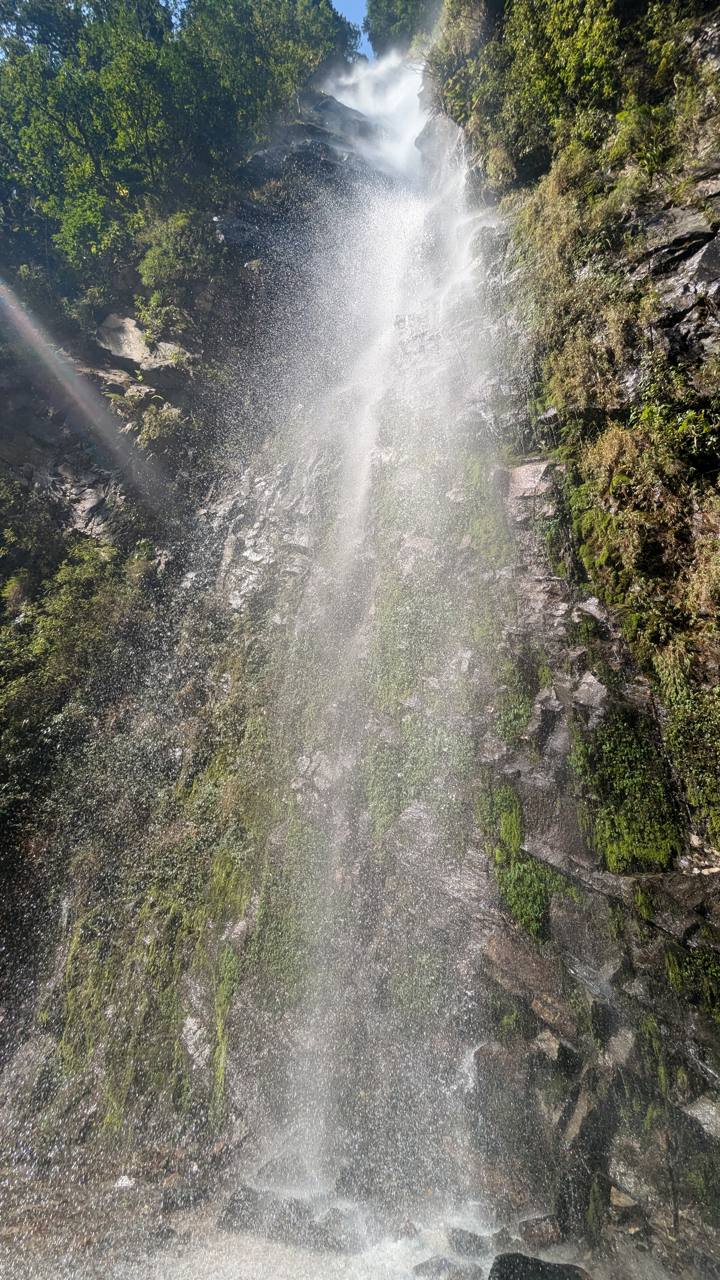
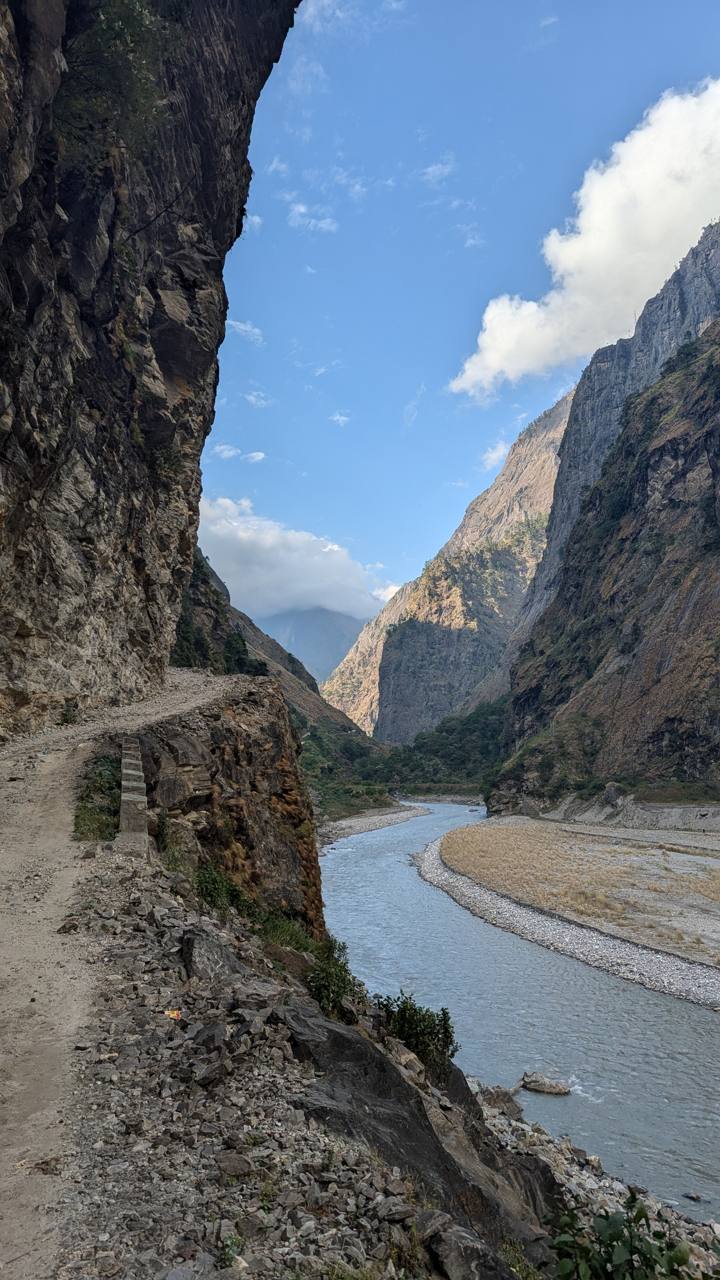
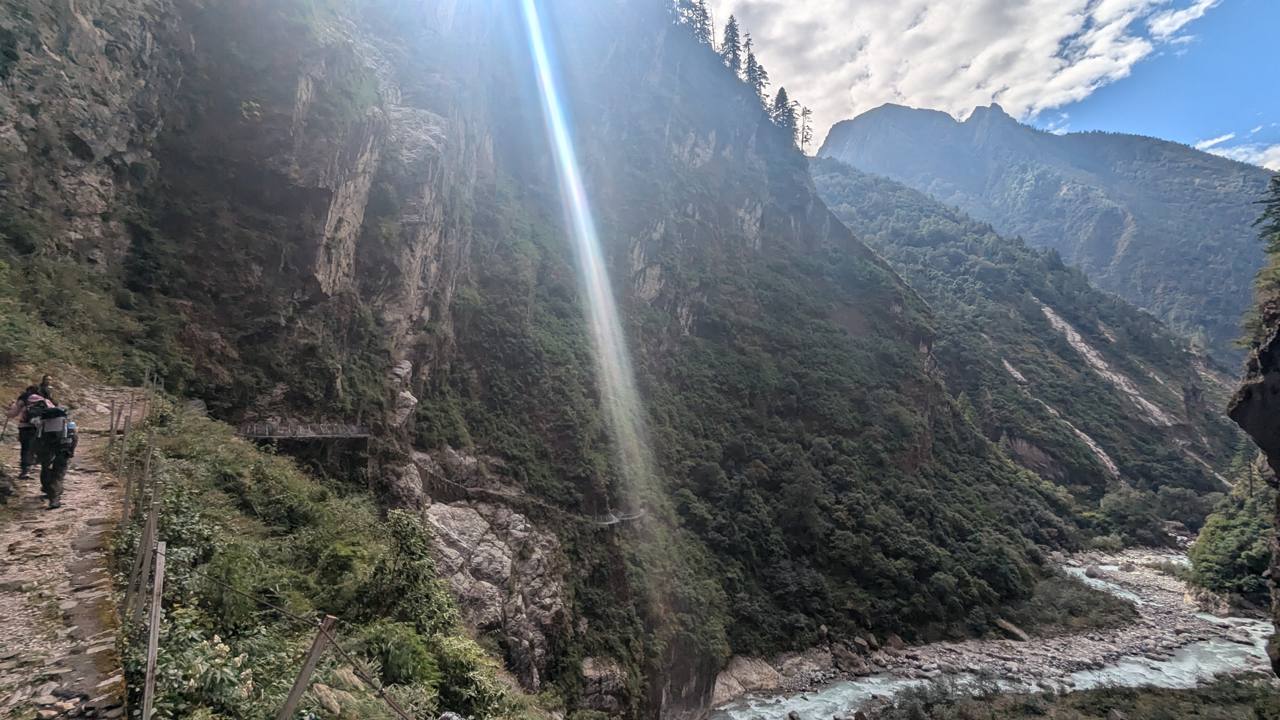
6 hours, plenty of waterfalls and stunning valley views, about 22°C. There are more than 20k guides and countless porters in Nepal, but the guides almost all know each other from years in the Himalayas. Mine knows every corner of this fairly new route: when to pause, when to put the windbreaker on even when it’s hot, because the next corner will be windy again. He also told me about maxing out profit versus keeping a journey safe and enjoyable for the clients.
Day 3 (Oct 30): Jagat to Lokpa, 1400m → 2040m
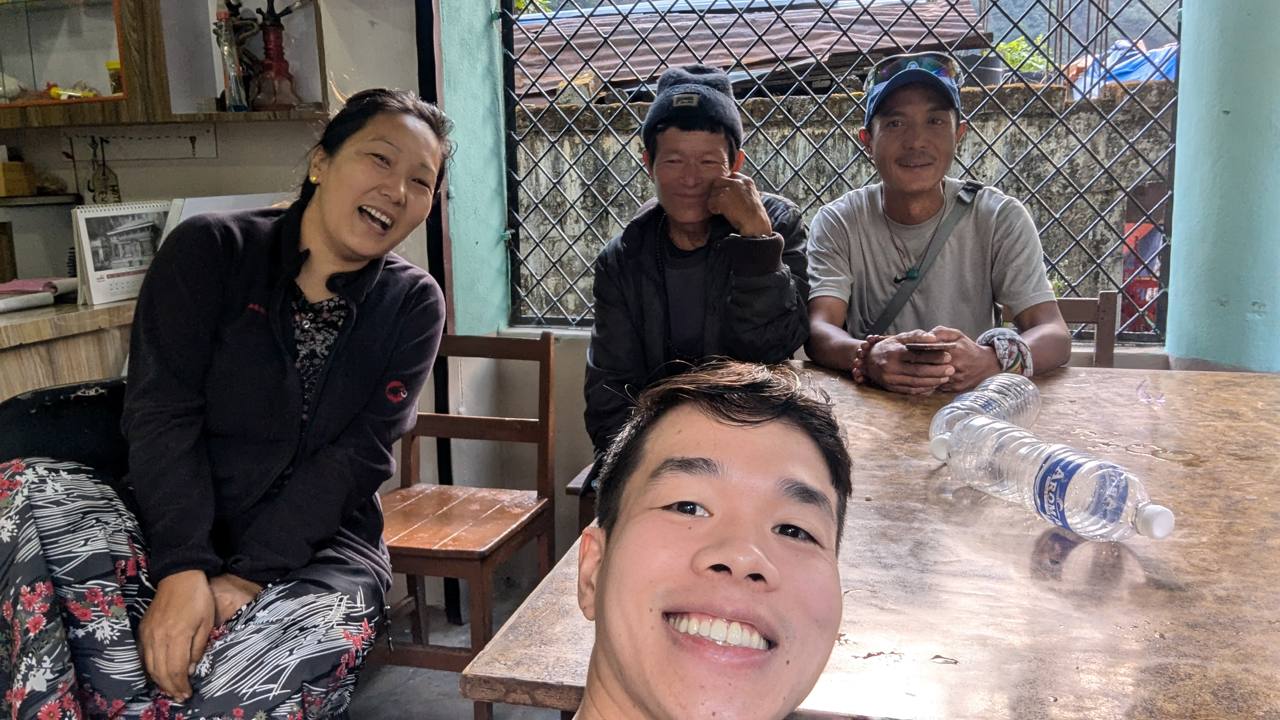
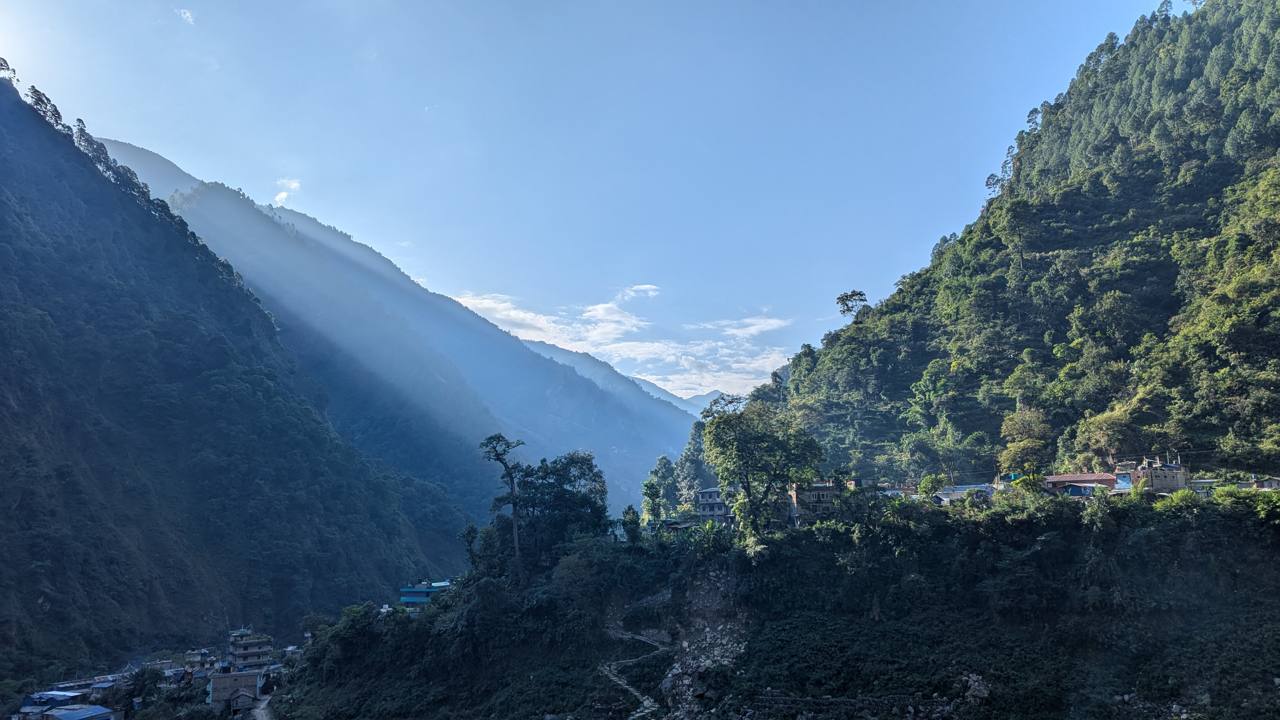
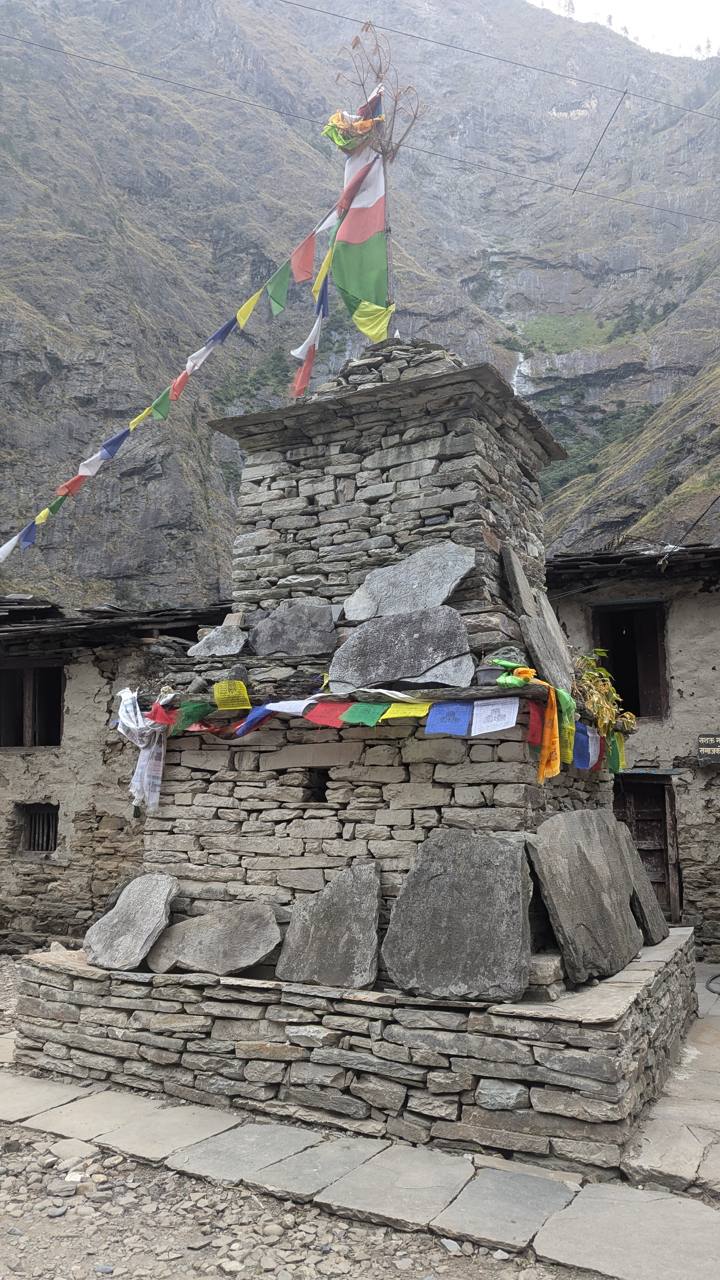
Army men were blasting to open a new road. It develops the area, but it also hurts the environment. I walked slowly, really slowly, keeping my heart rate under 150 (zone 2 or below). No altitude sickness or fatigue yet. I learned a new word, Tashi delek, the Tibetan namaste, and the guest house owner replied with the same phrase, which gave me the confidence to keep using it. About 16°C.
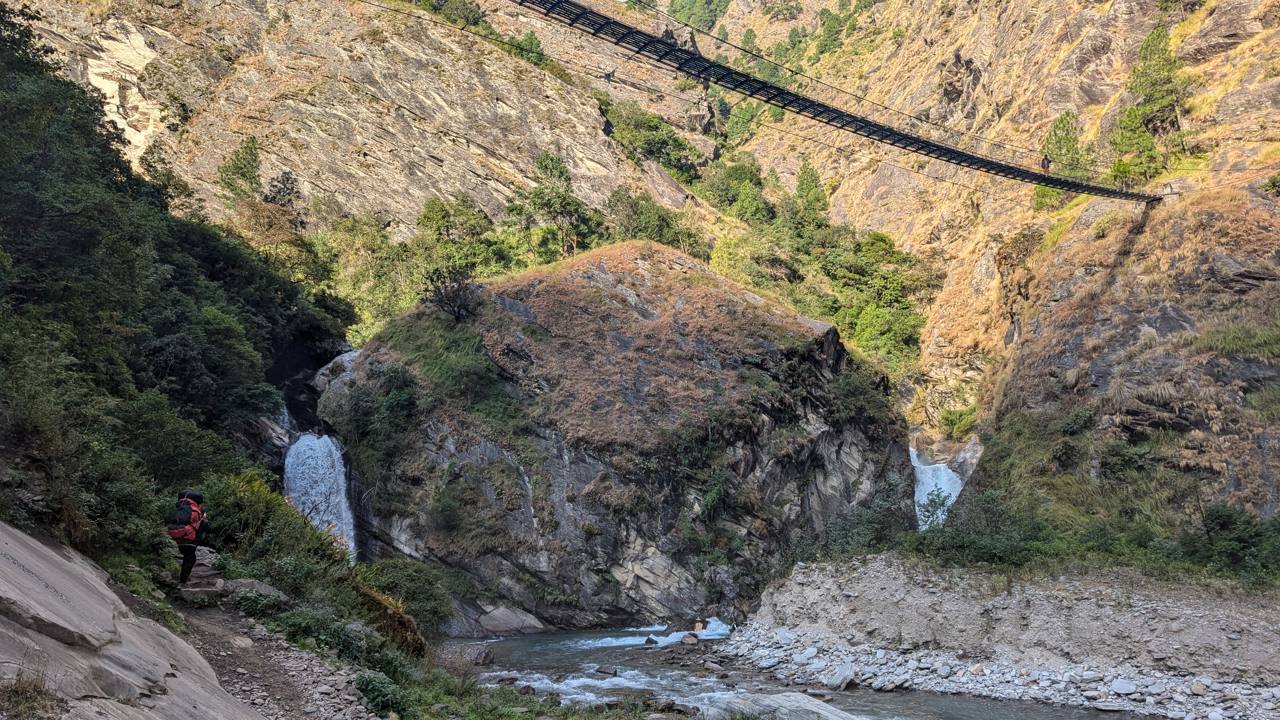
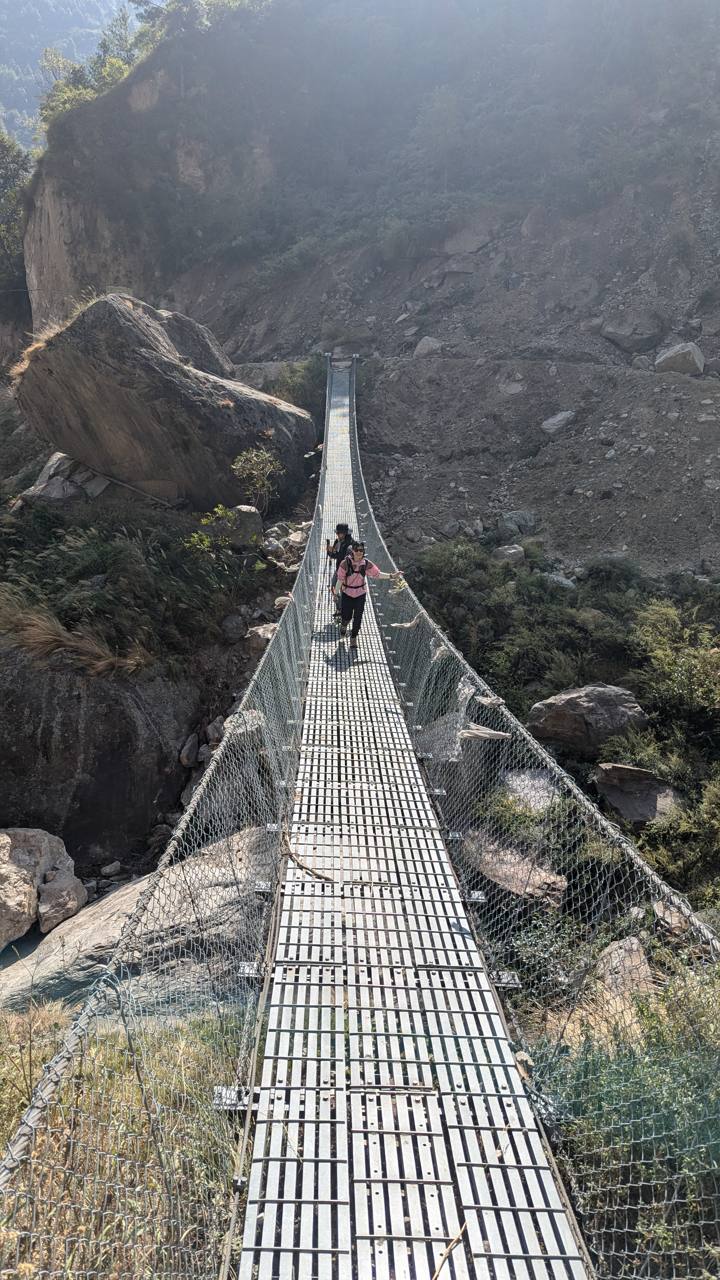
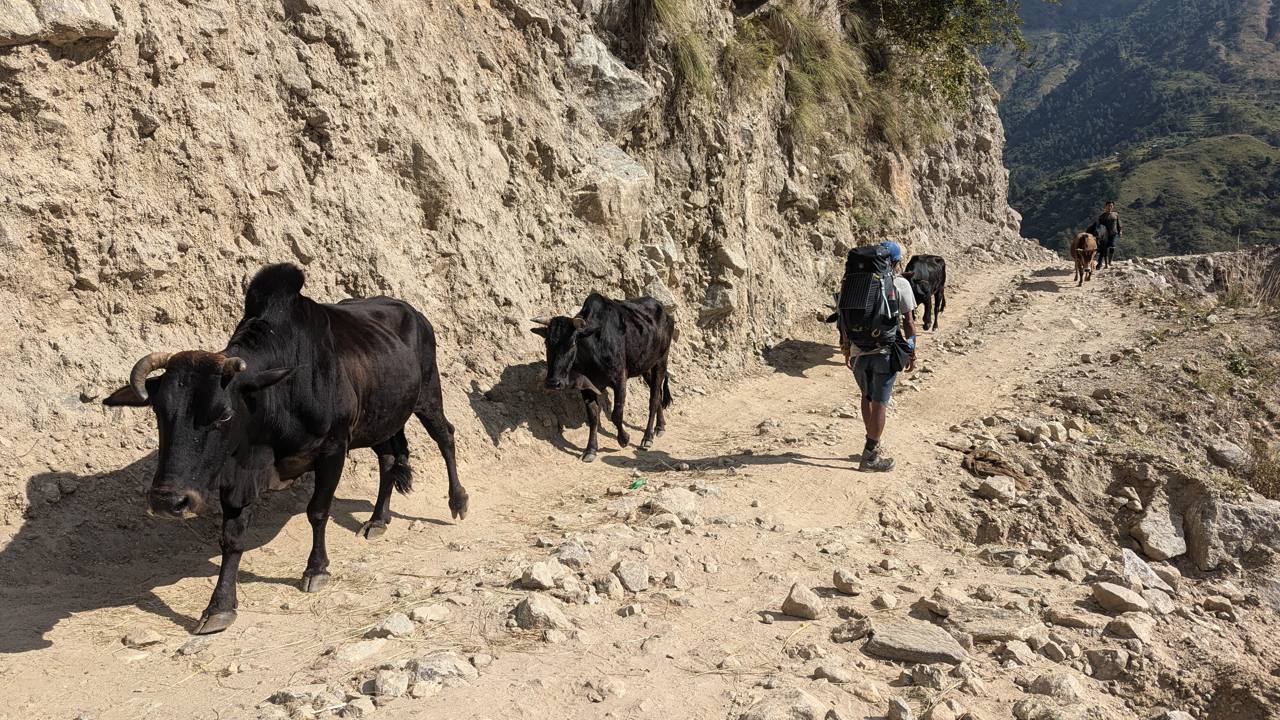
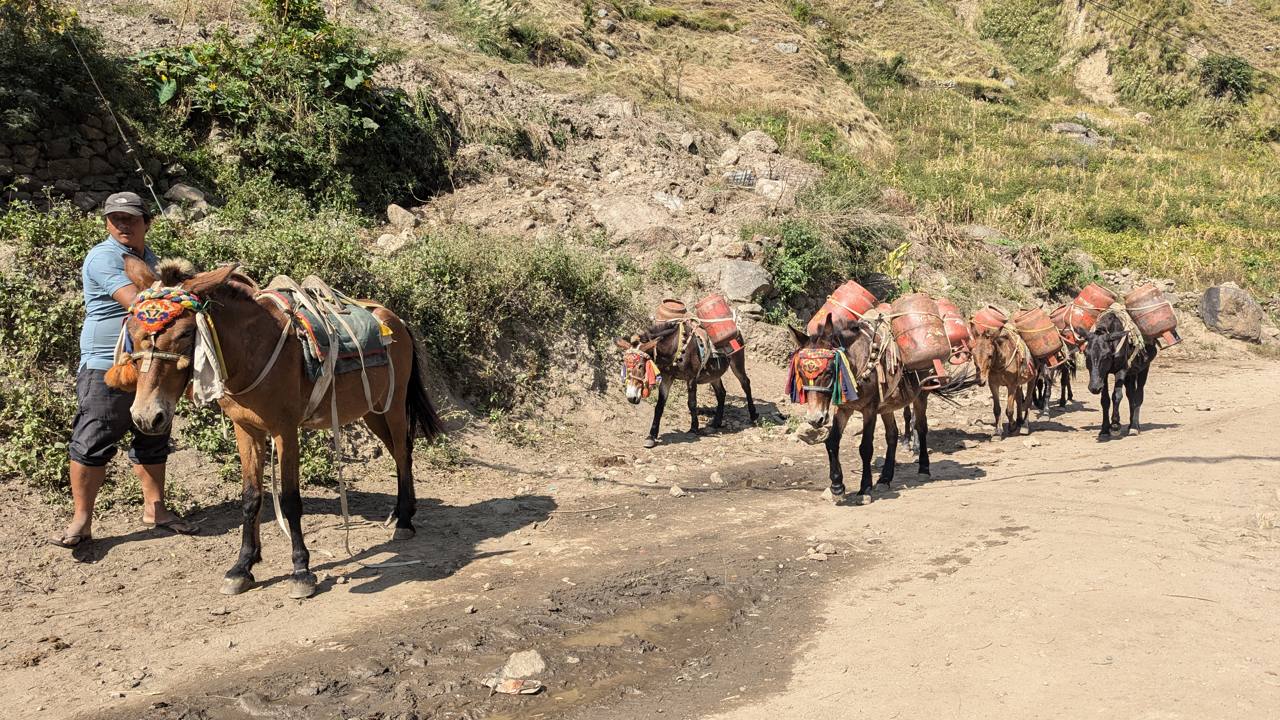
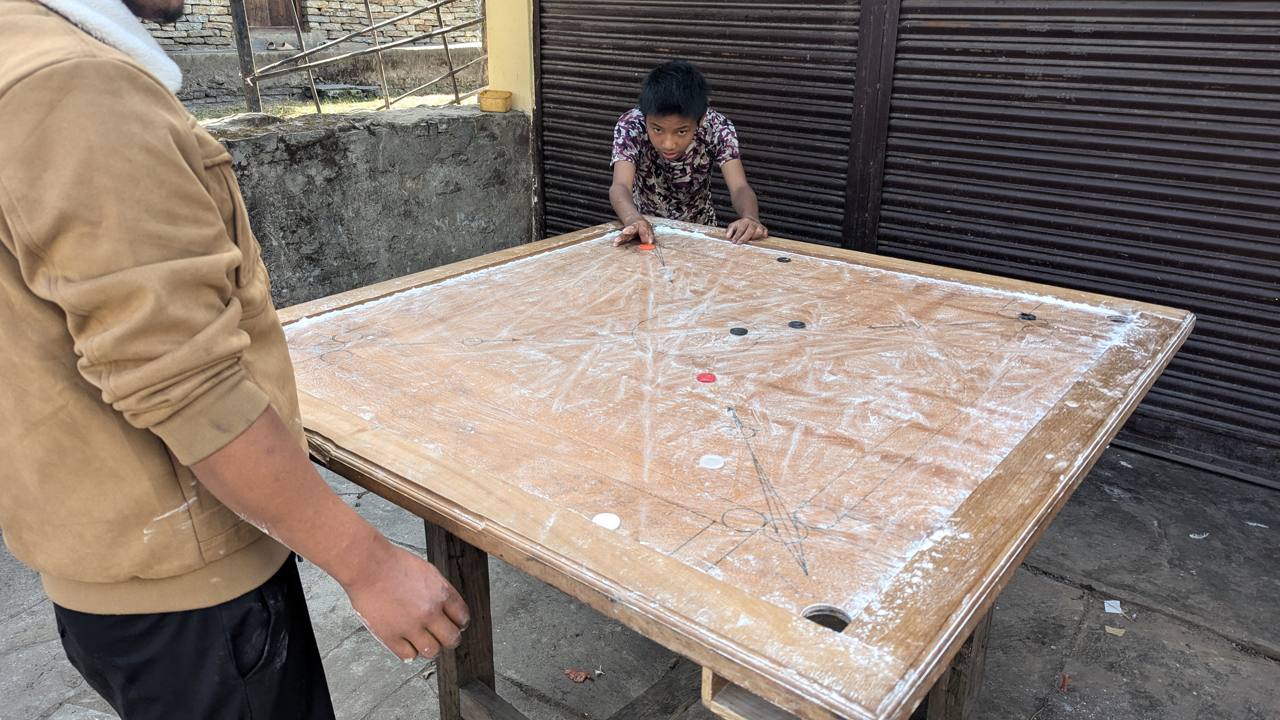
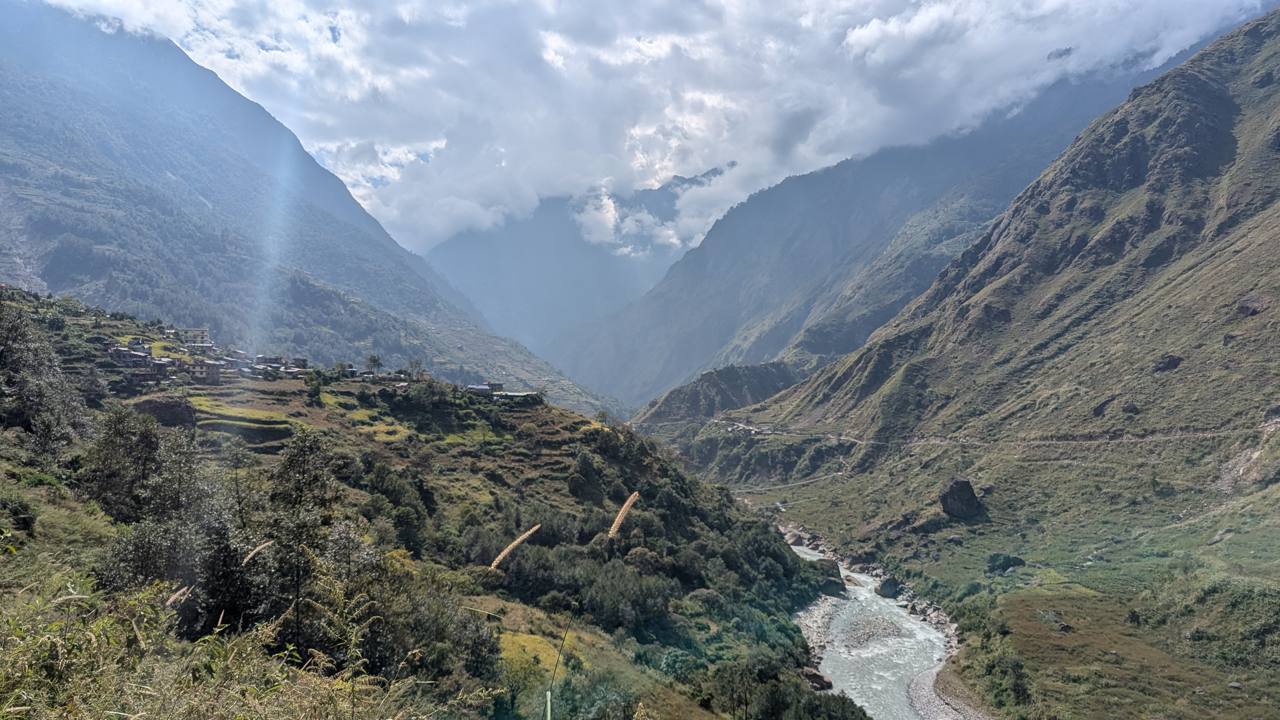
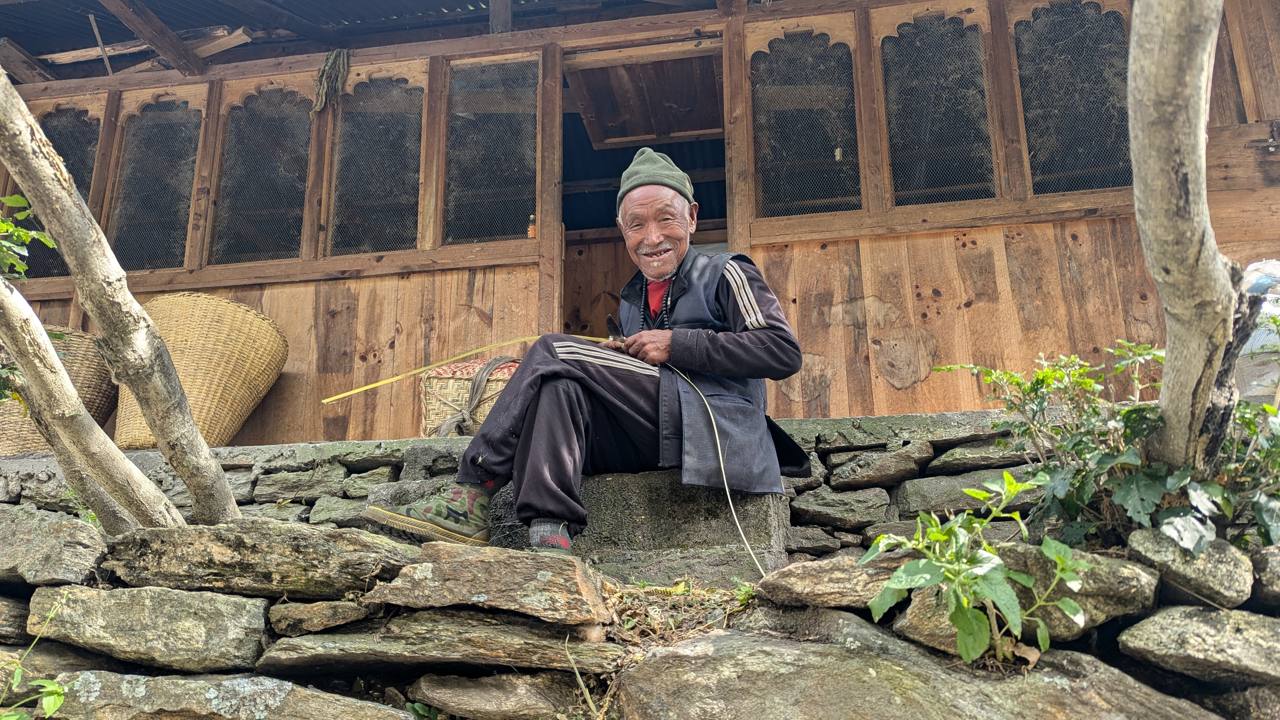
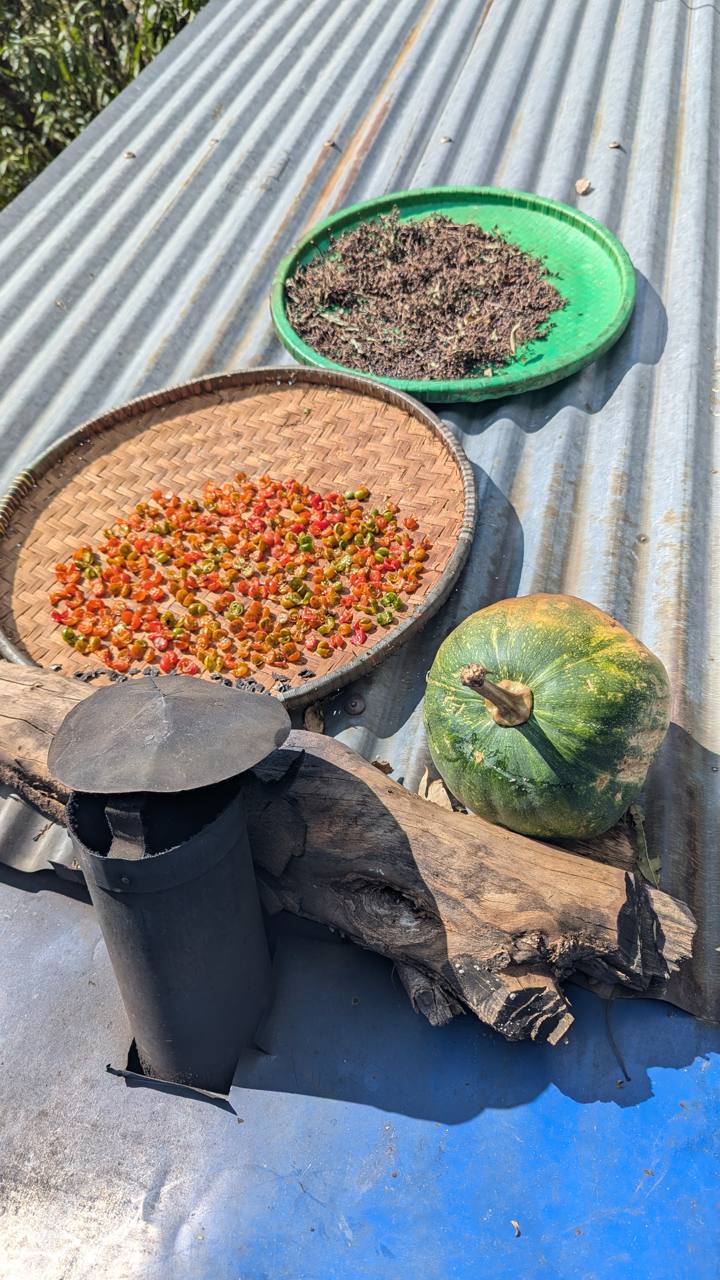
Day 4 (Oct 31): Lokpa to Chumling, 2040m → 2300m
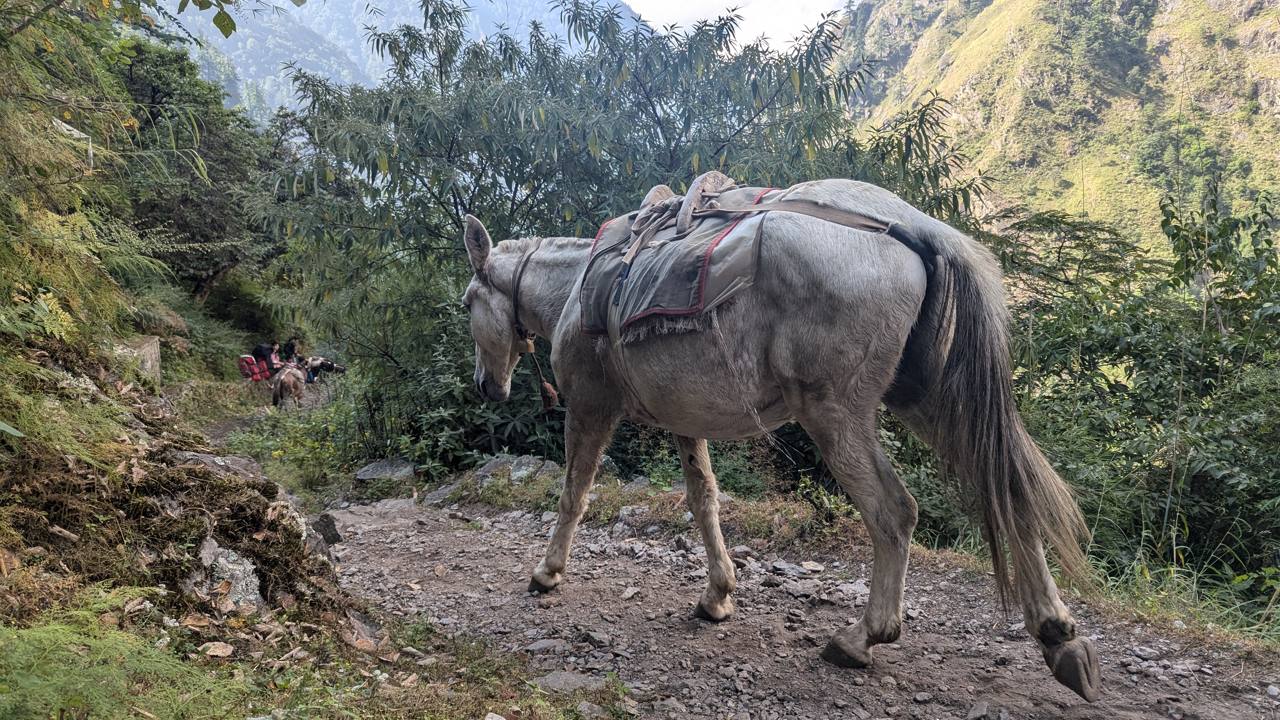
Donkey going downhill means empty load, uphill means full load, and there are no towns between the cliffs. Sathi means friend: that is what a porter told me when he called me his friend. I already have quite a few nicknames: wifi ambassador, milk-tea boy, handsome boy, dal bhat boy. Same total ascent as yesterday over half the distance, 5 hours. “Dal bhat power, 24 hour.”
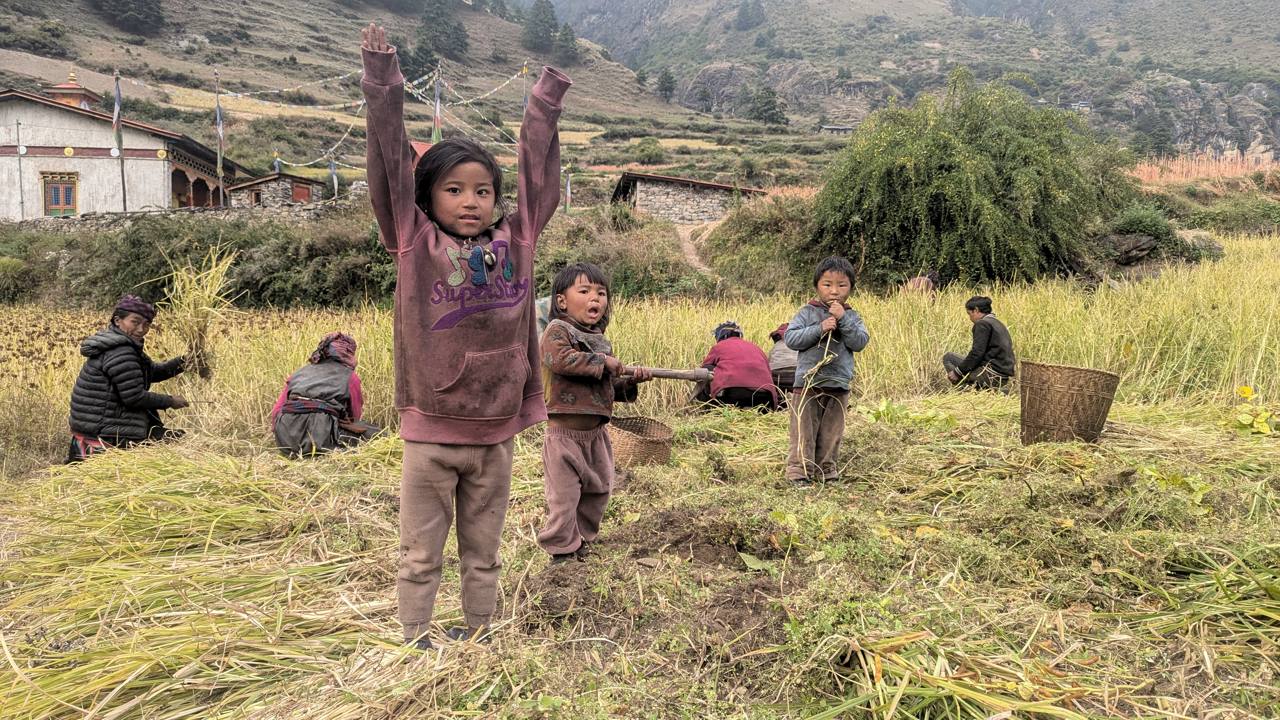
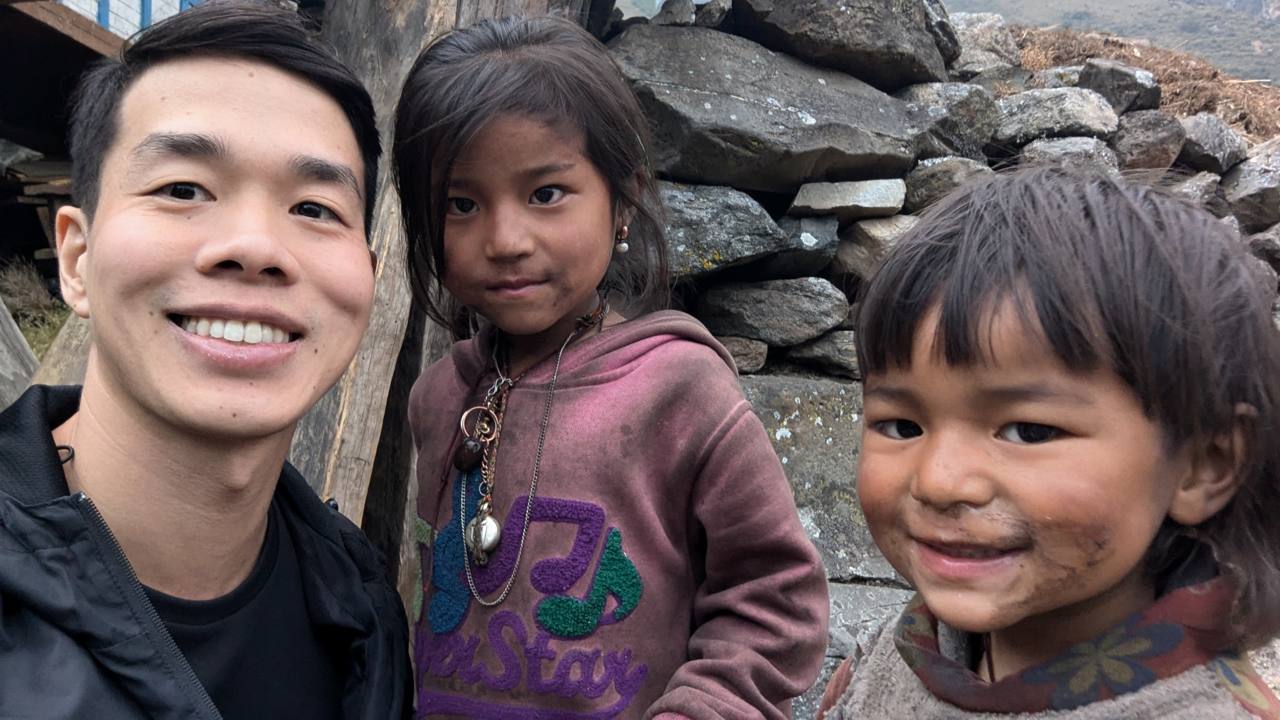
Day 5 (Nov 1): Chumling to Chhokang Paro, 2300m → 3000m
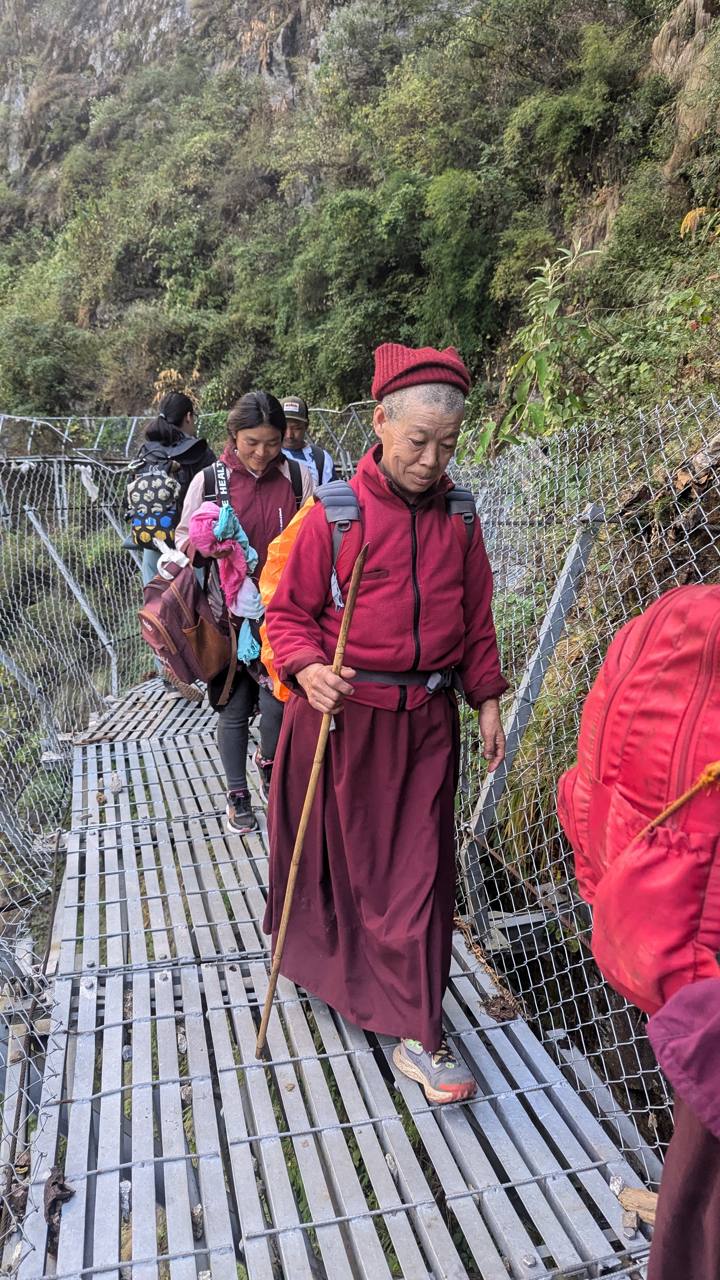
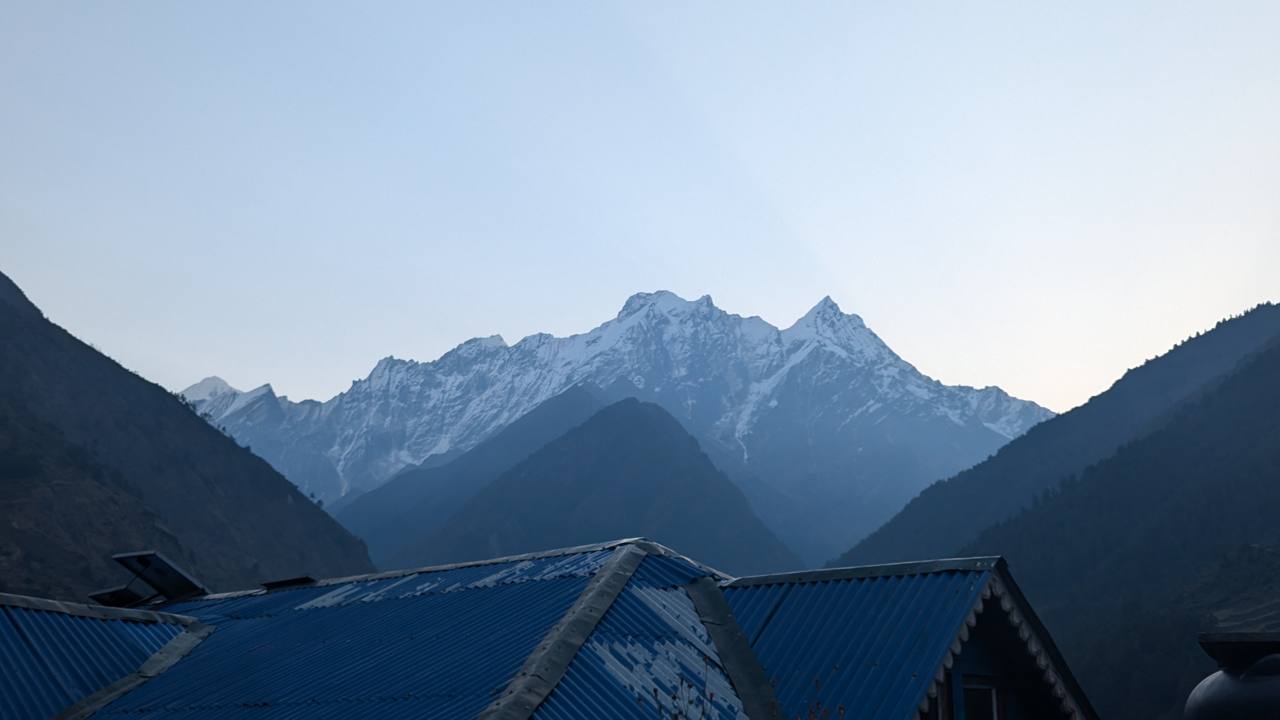
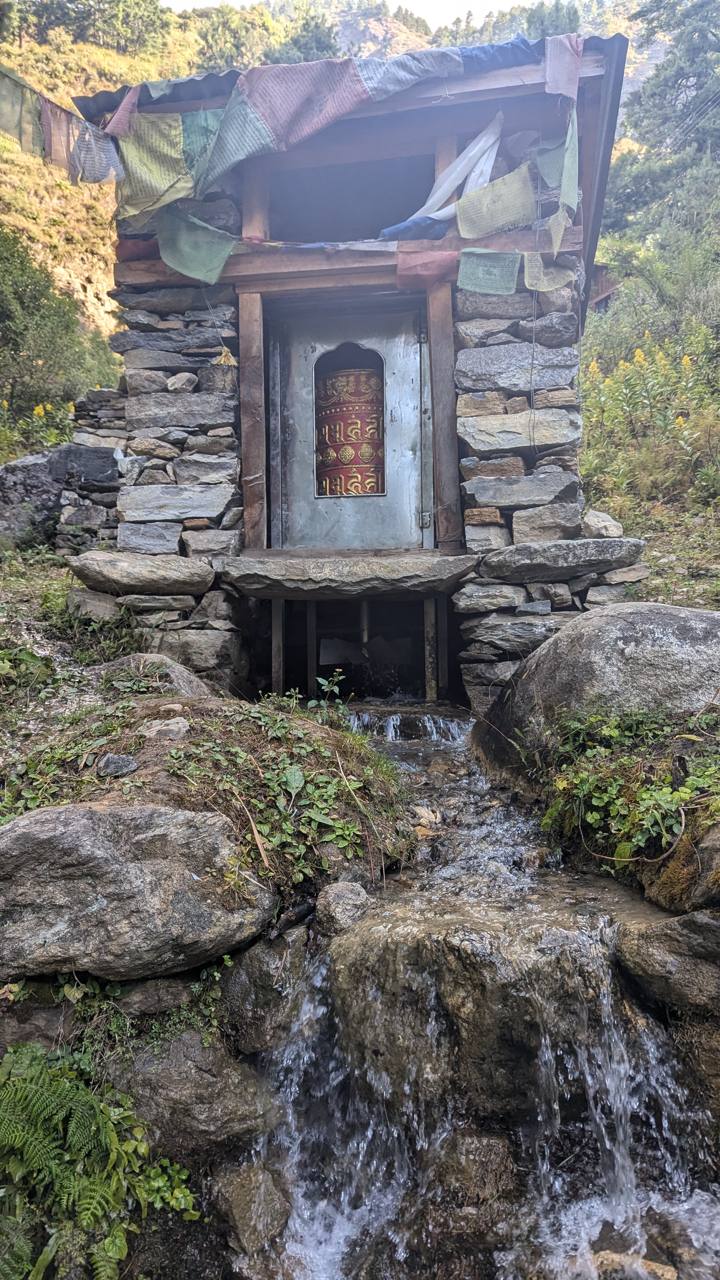
Om mani padme hum, peace to everyone. I met a high-profile, reincarnated monk and felt positive energy and peace in his eyes and wisdom. 6°C, and for the first time I could see my breath. Indra, my guide, told me: “One day you will climb Everest.” My dear guide, you don’t know that sentence planted a seed in my mind. In 10 years, if I still remember it, maybe, just maybe, I’ll do it.
Day 6 (Nov 2): Chhokang Paro to Nile, 3000m → 3400m
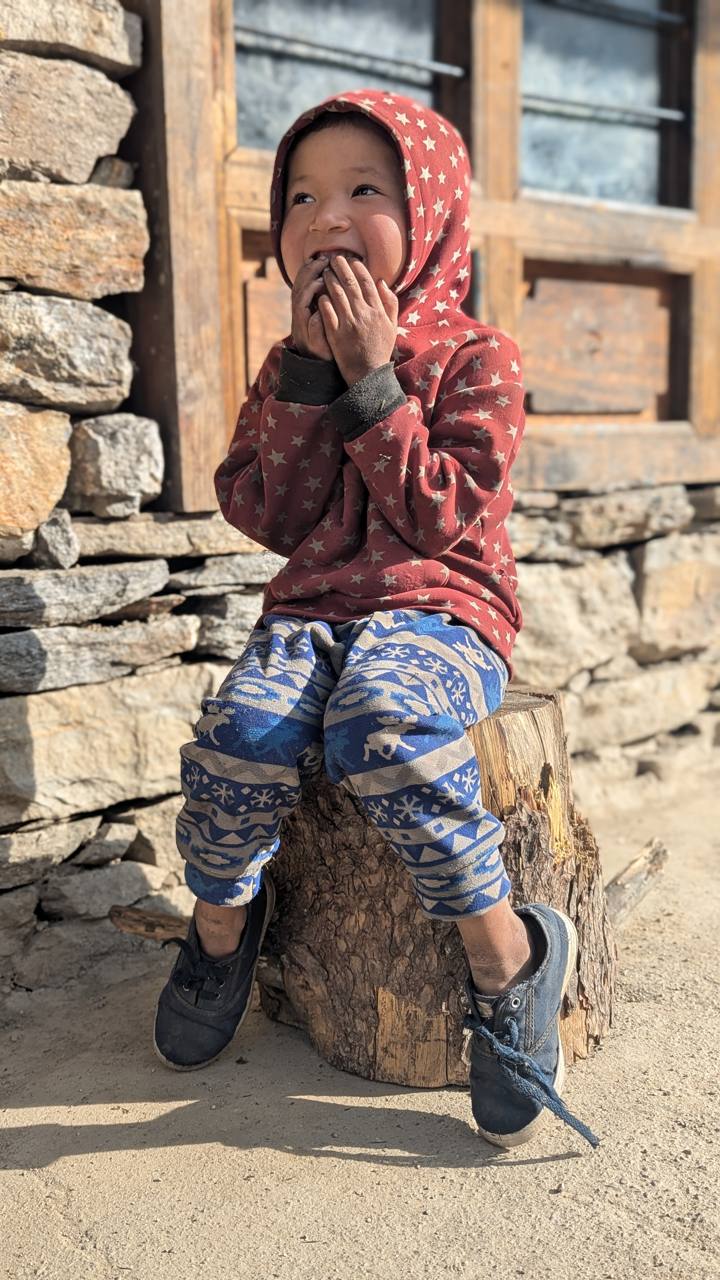
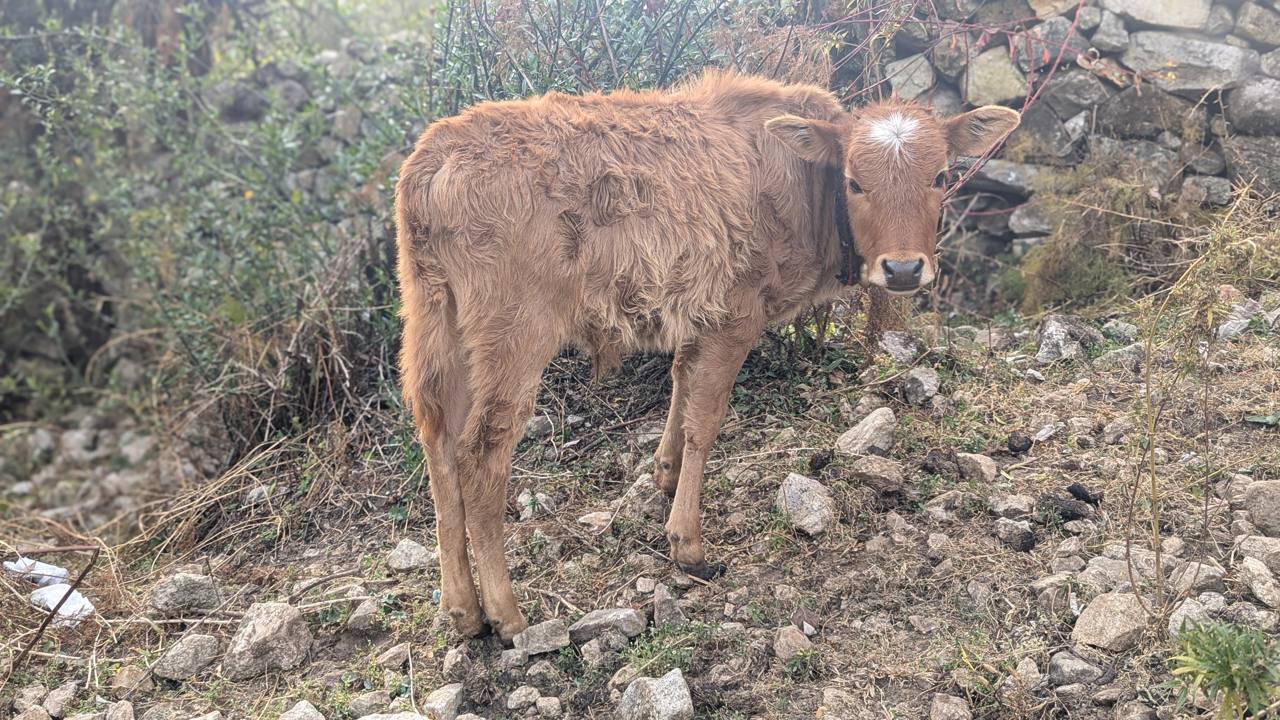
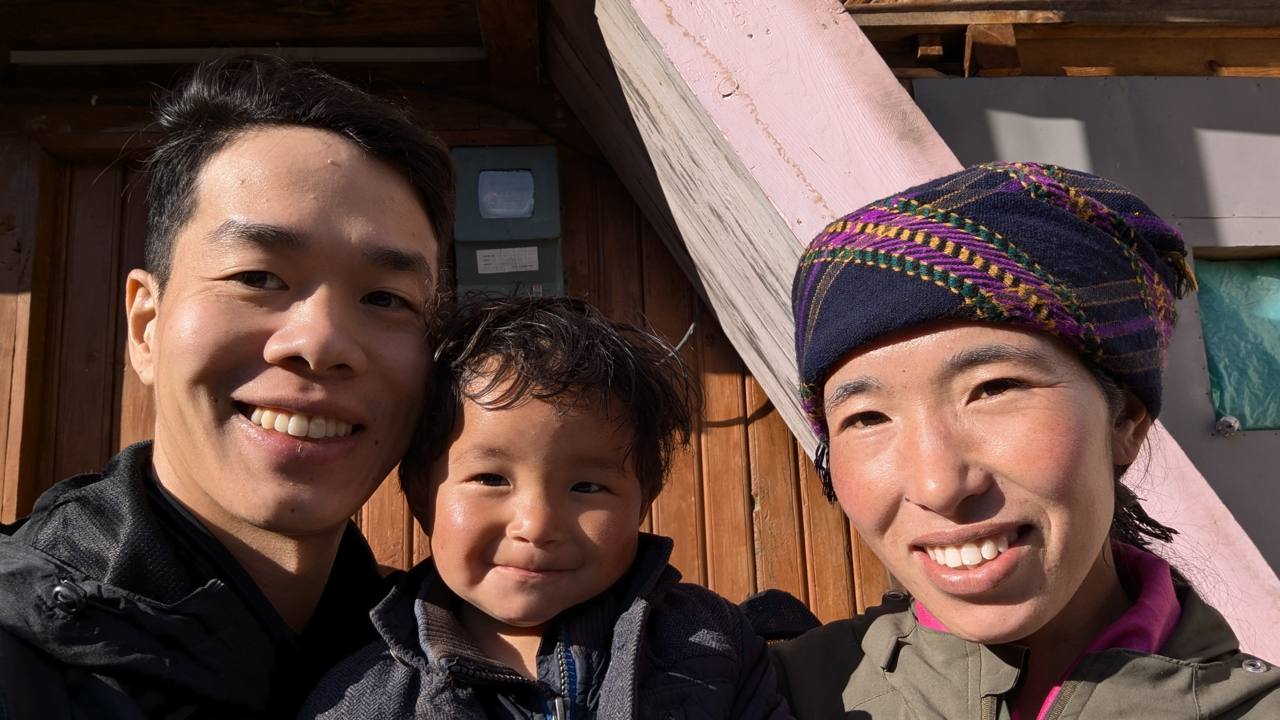
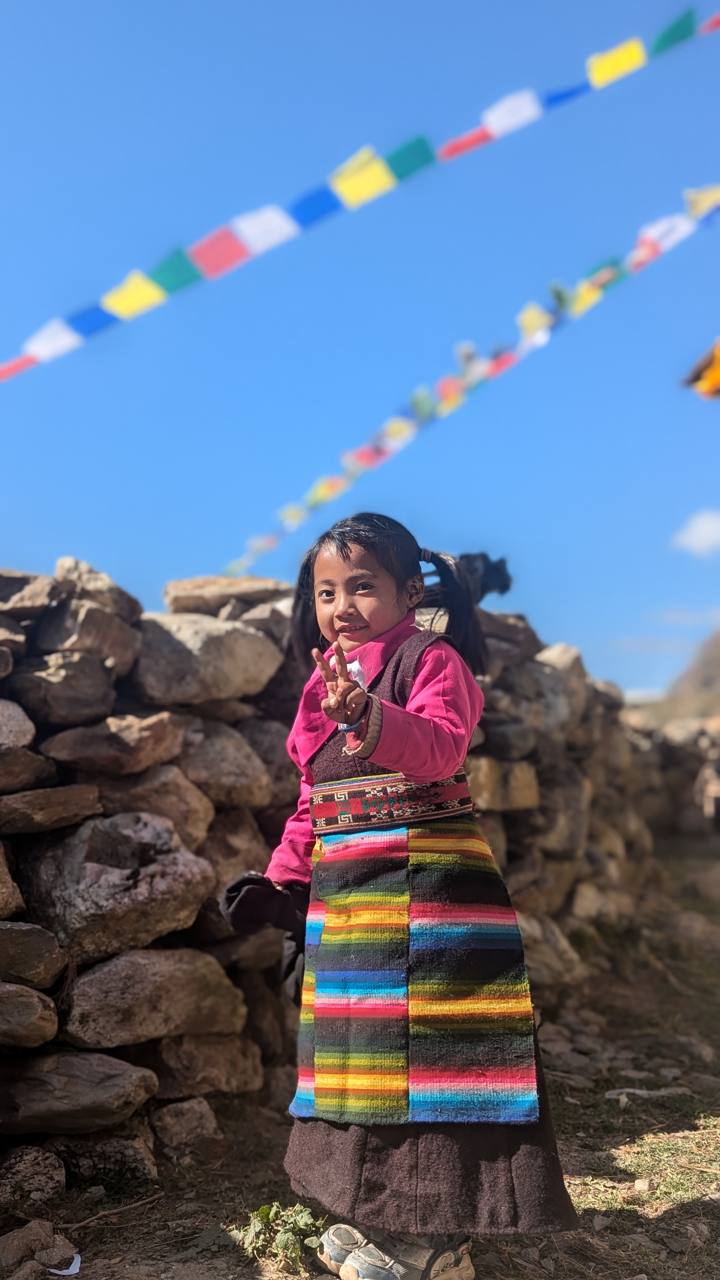
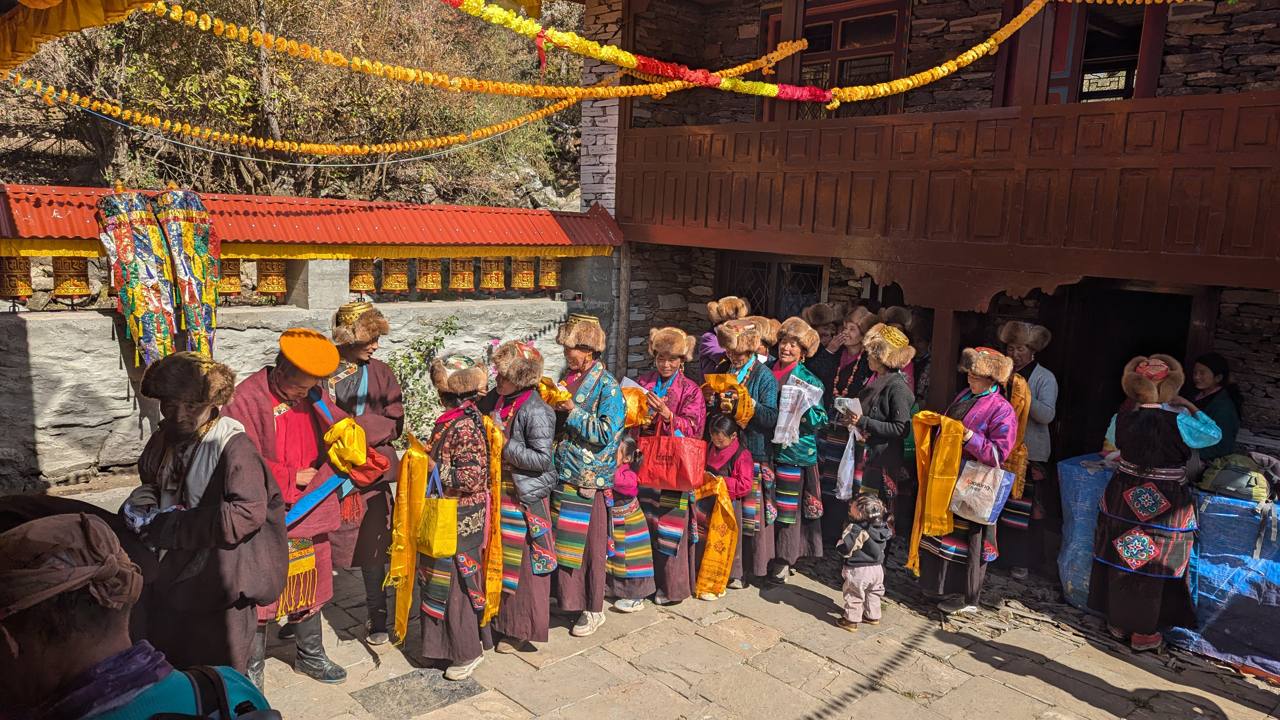
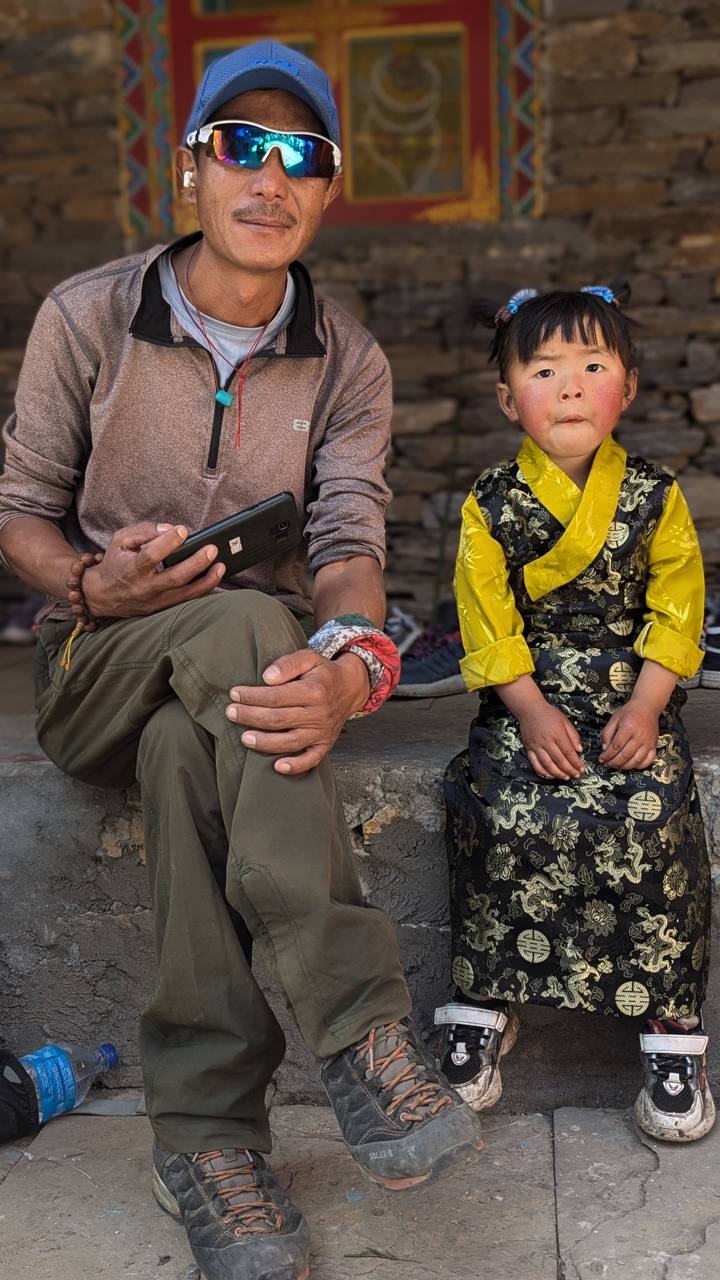
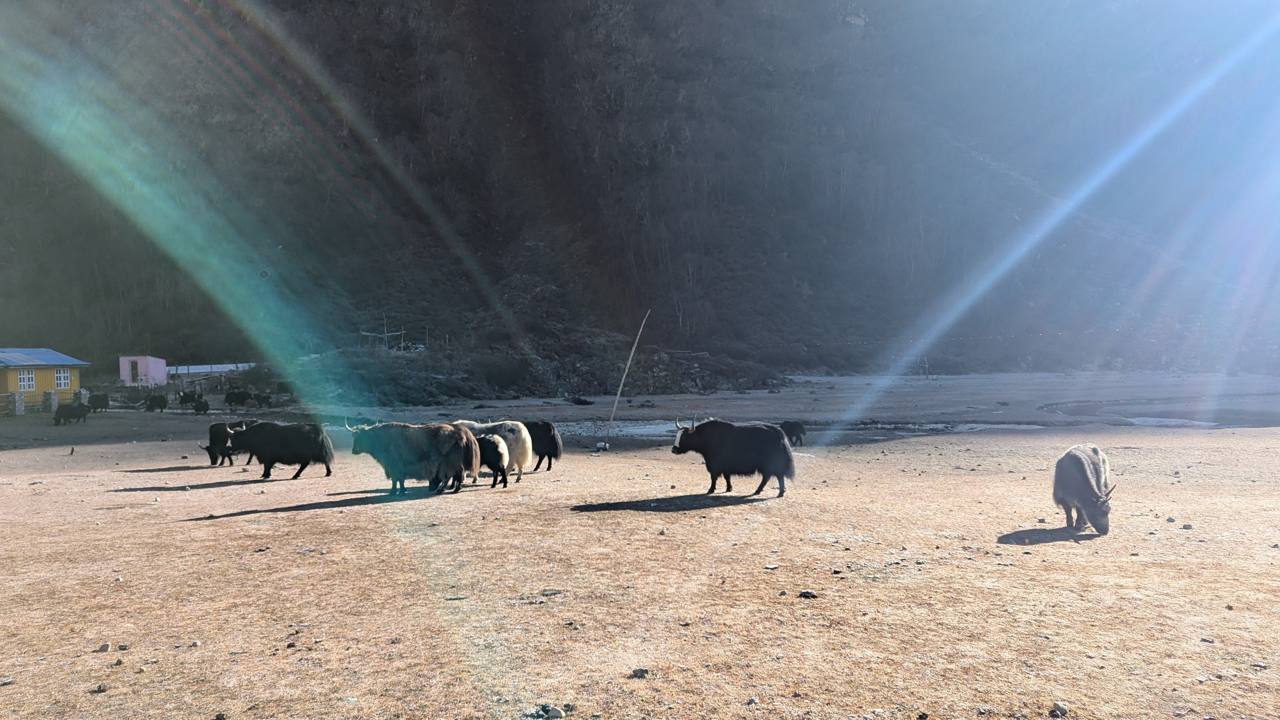
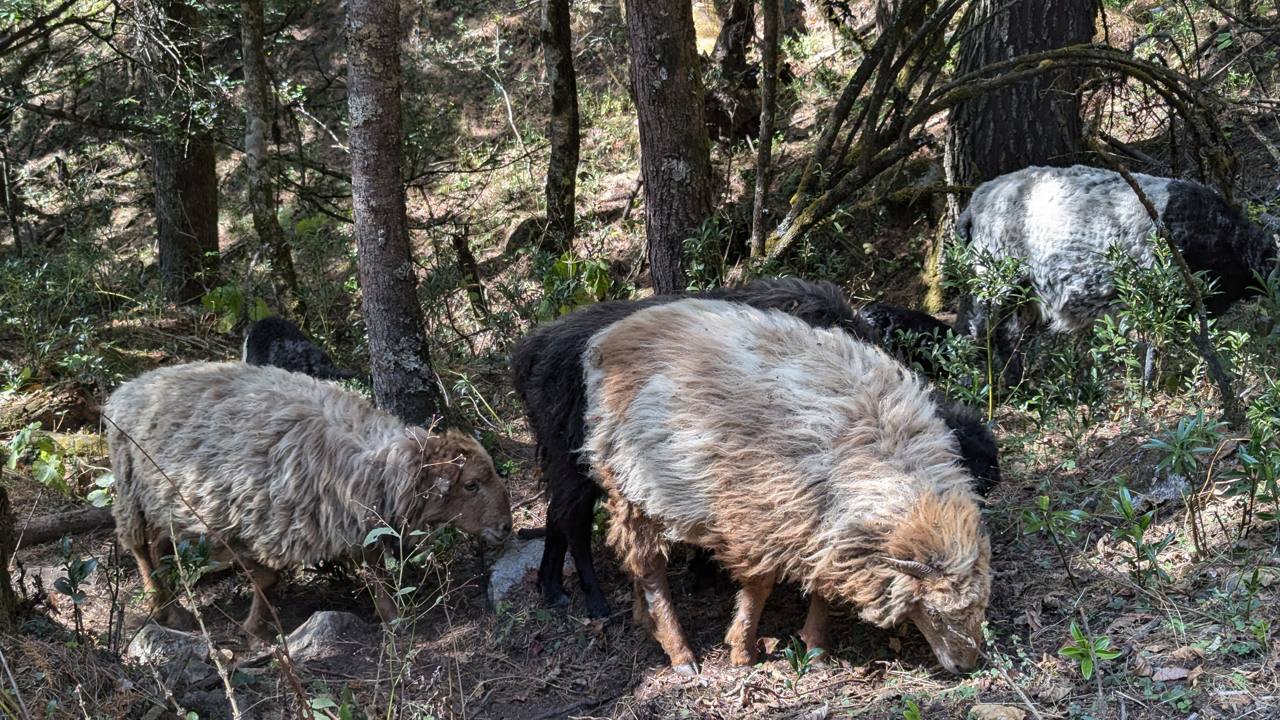
A monastery worship day: men preparing offerings with lucky money in envelopes, women preparing food and drinks, kids running around chasing colorful cloths, monks setting up inside. Such a vibrant scene, wishing for luck, peace and good weather. I saw yaks and baby yaks, so cute, and chokpe, the cross of cow and yak. Dhanyabad to the Tibetans for the dal bhat. The area felt like a game: find someone with the key and open the gate to the cave yourself.
Day 7 (Nov 3): Nile → Mu Gompa (3650m) → Lamagaon, 3300m
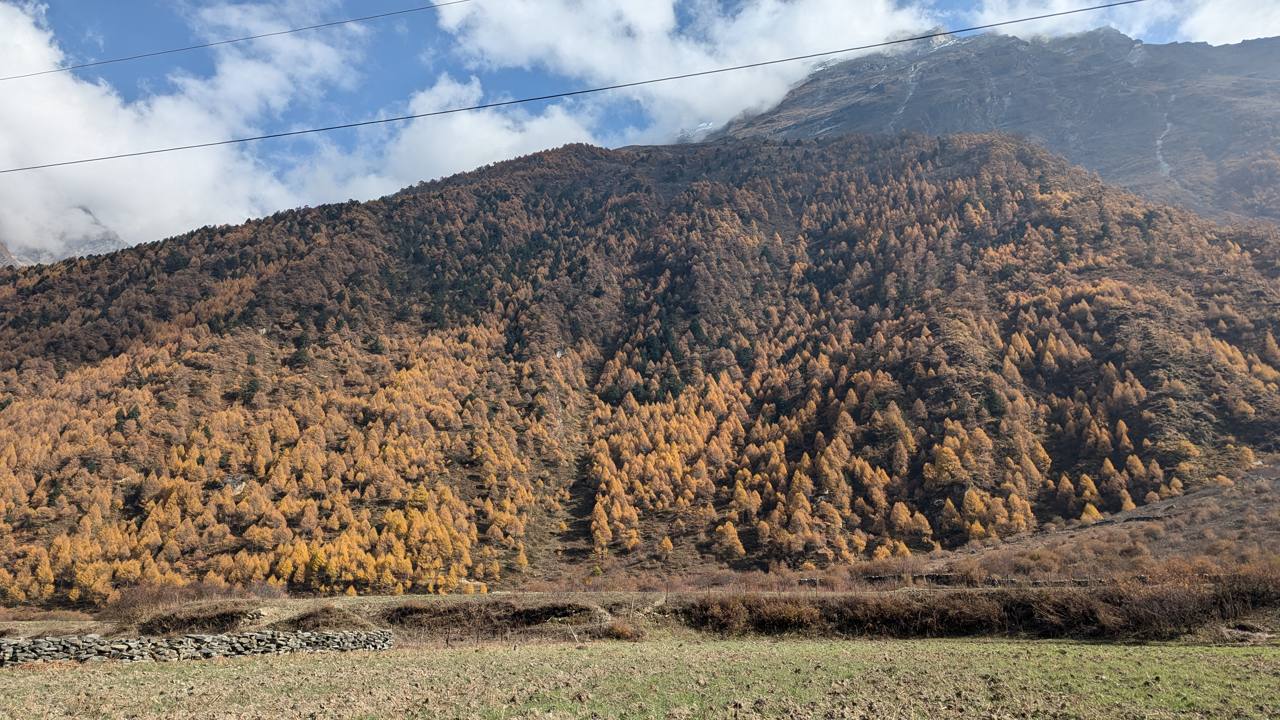
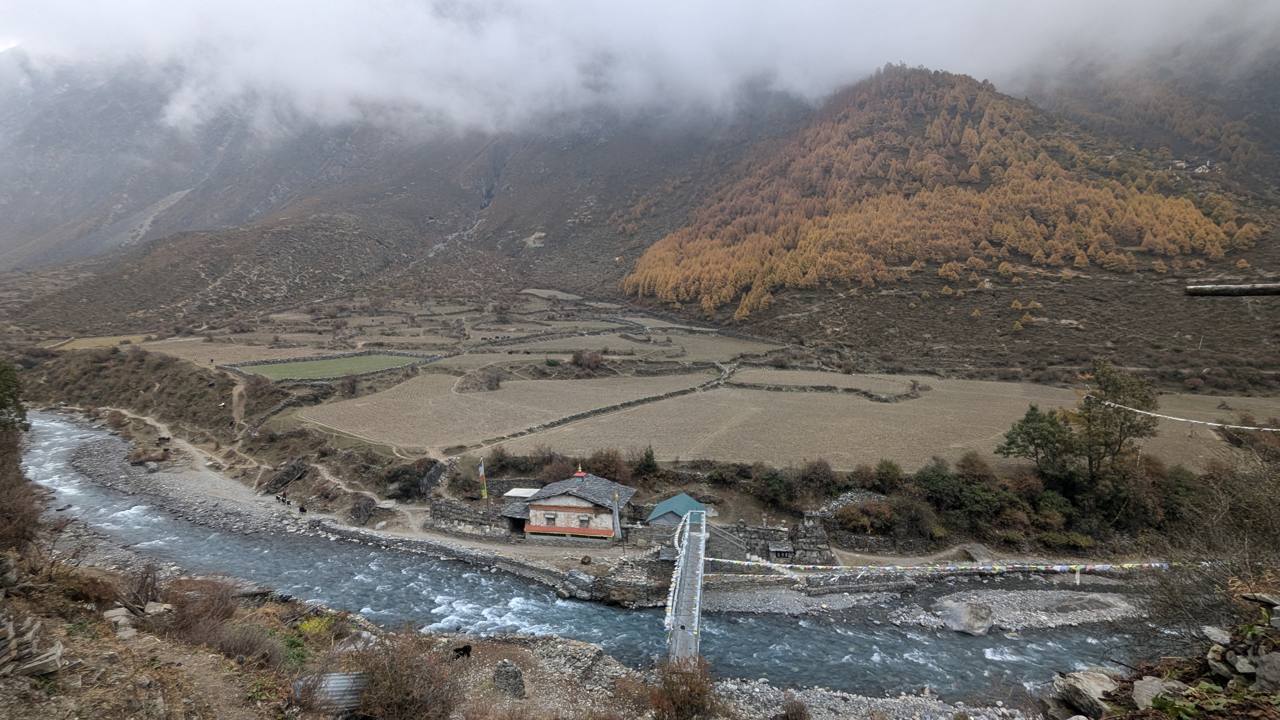
On the way up the air started getting thinner and breathing harder, but no major sickness. I saw some people walking down before the “summit”. I used a mask to trap warm breath around my neck. Random music started playing in my head, a song about leaving a life you will remember. I miss the ones who have passed.
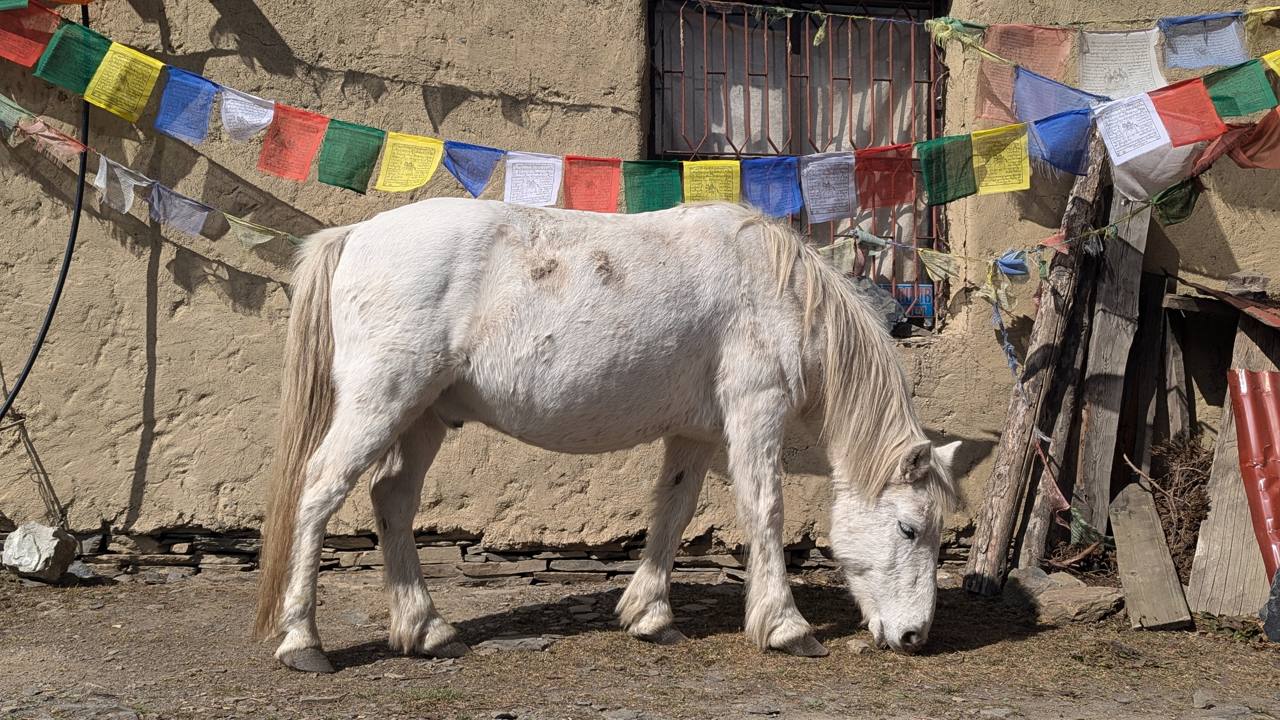
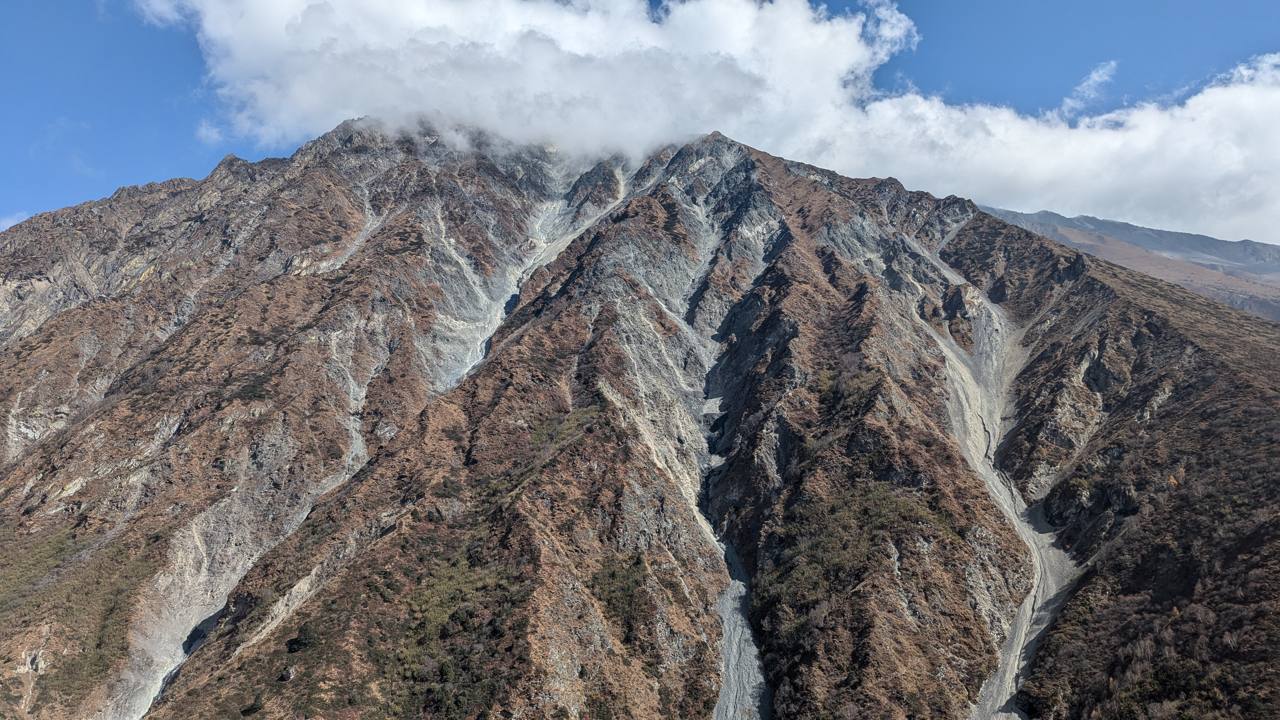
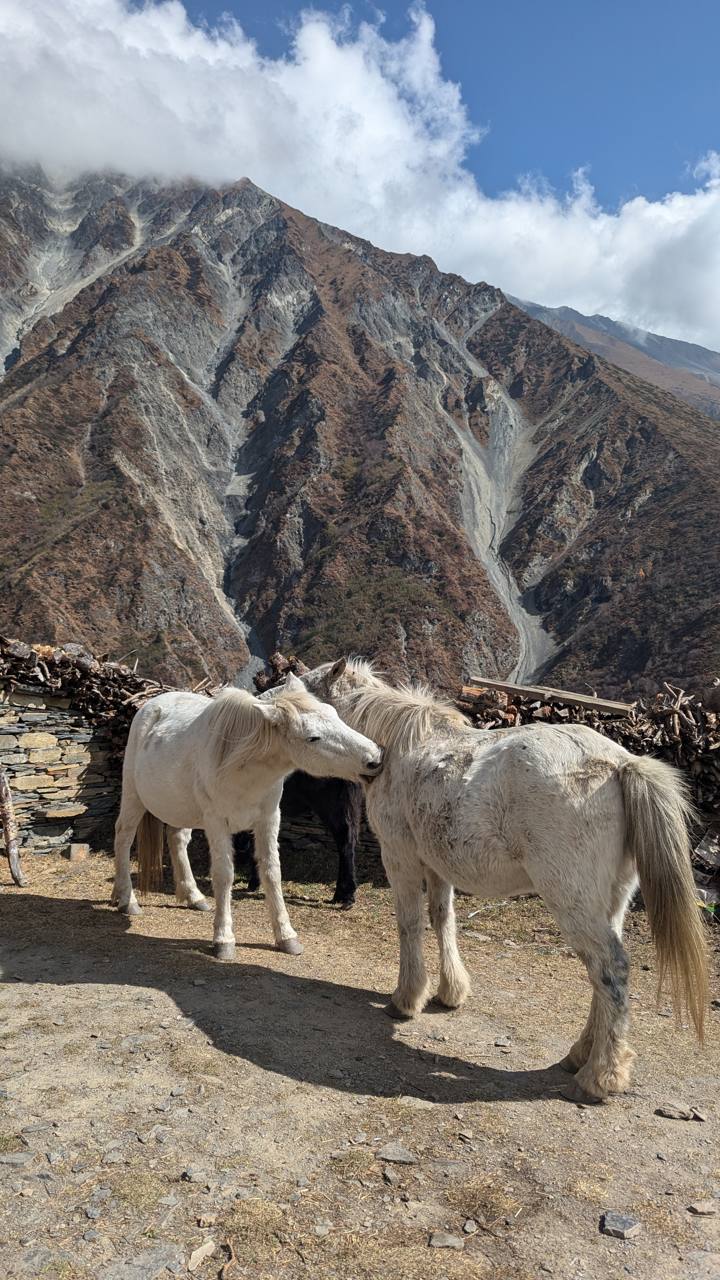
Day 8 (Nov 4): Lamagaon to Chumling, 3300m → 2300m
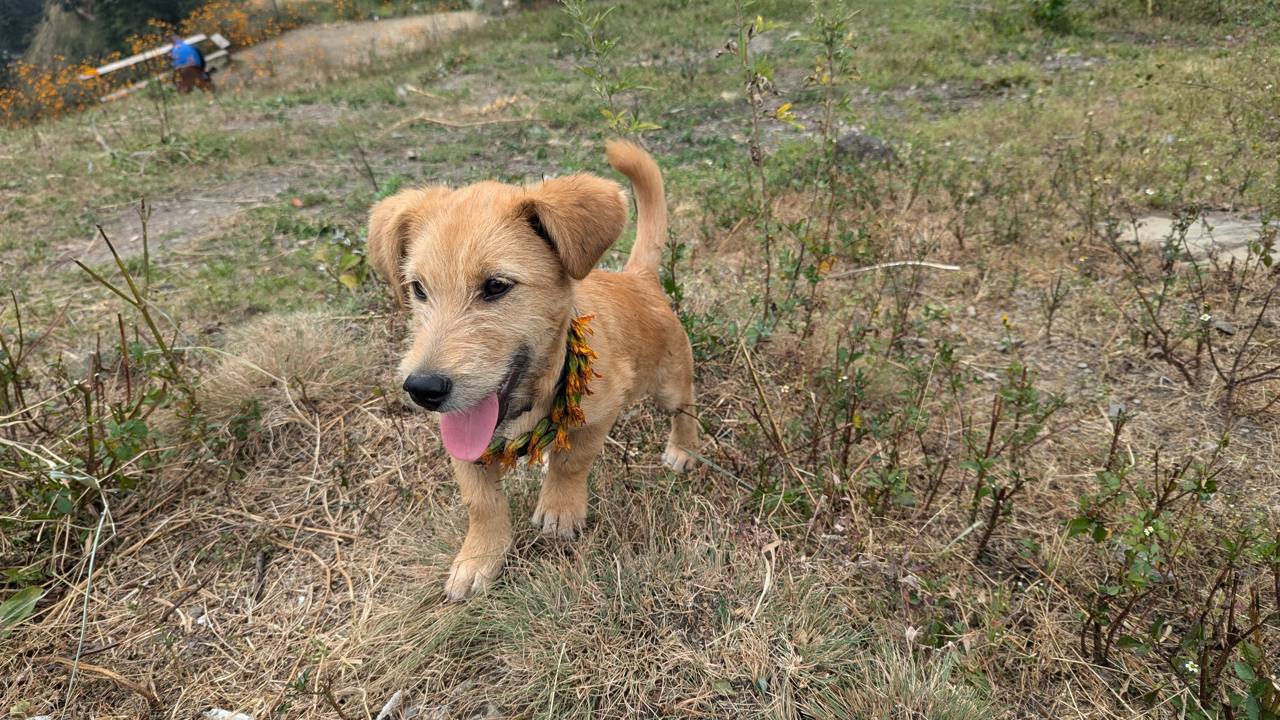
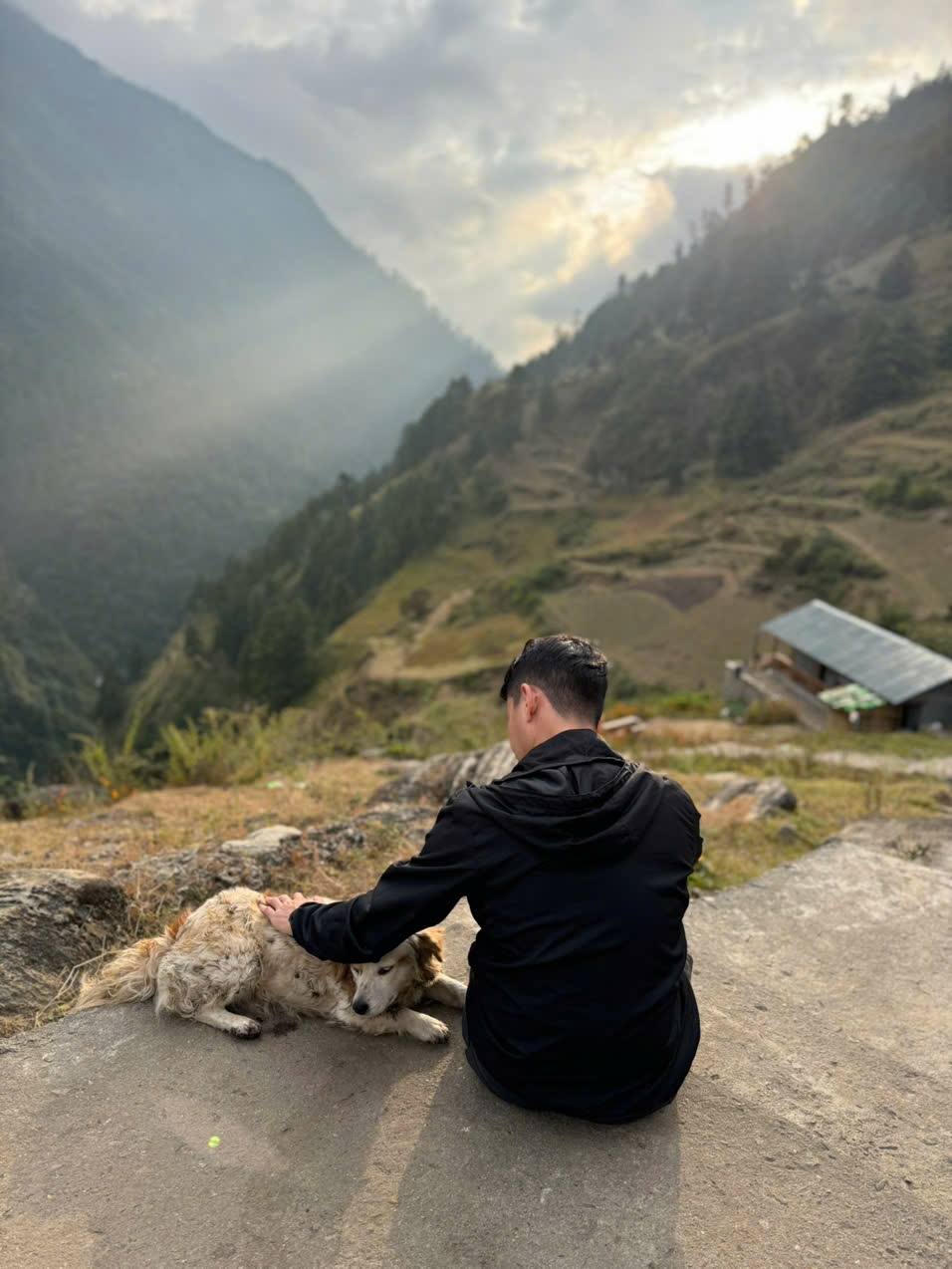
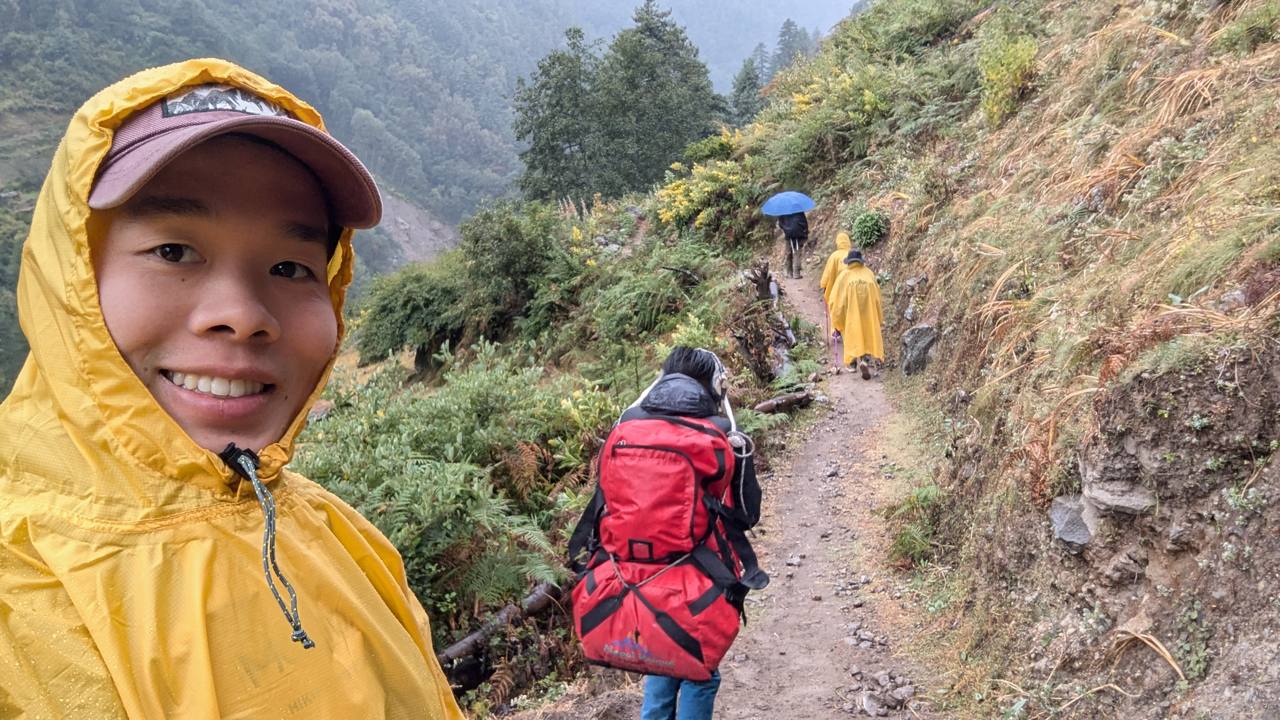
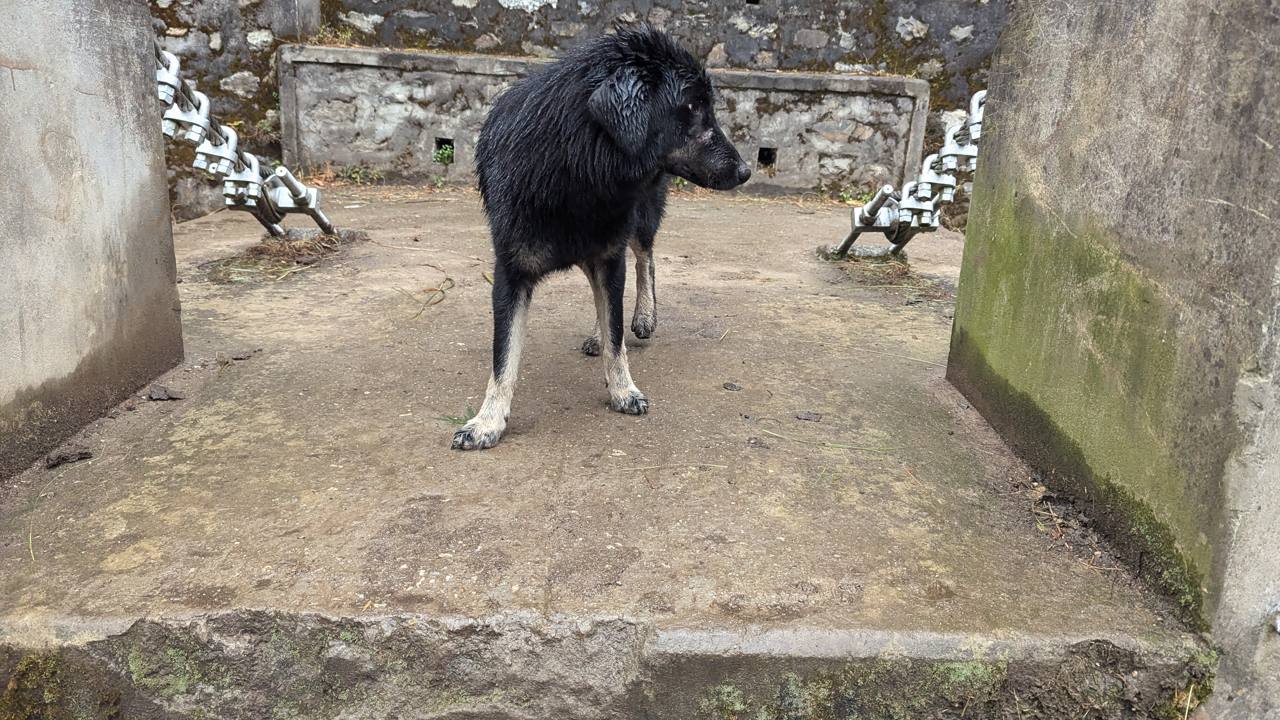
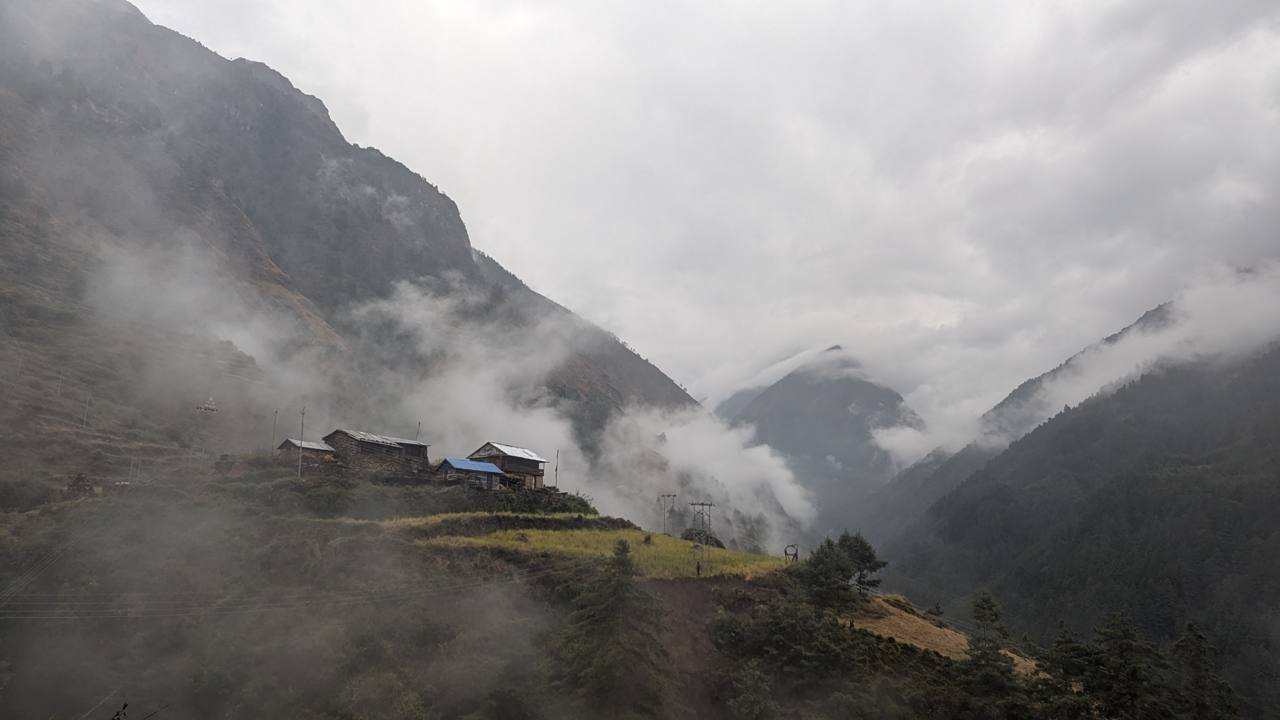
5 hours and 800m of descent under light rain, cloud and fog, perfect for trekking. For the last 39 minutes a black Tibetan dog followed me; that’s 2 wishlist items checked. A cold shower at the end felt great, and with the 10°C pool of my training, this weather was not that cold. Larke Pass, I’ll find you, with snow.
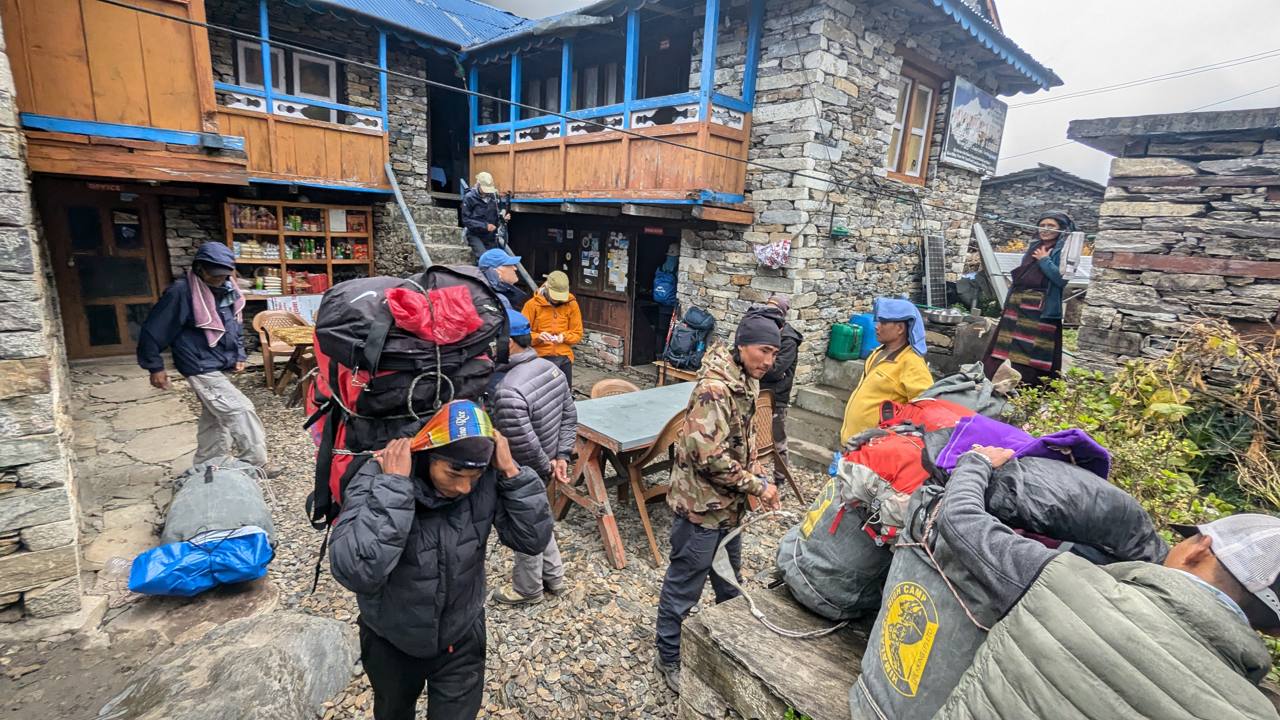
Manaslu Circuit
Day 9 (Nov 5): Chumling to Lokpa, 2300m → 2000m
An easy 4 hours, at the stop by 2pm. A calm day before the storm. From 2000m to Larke Pass at 5100m, chapter 2 begins.
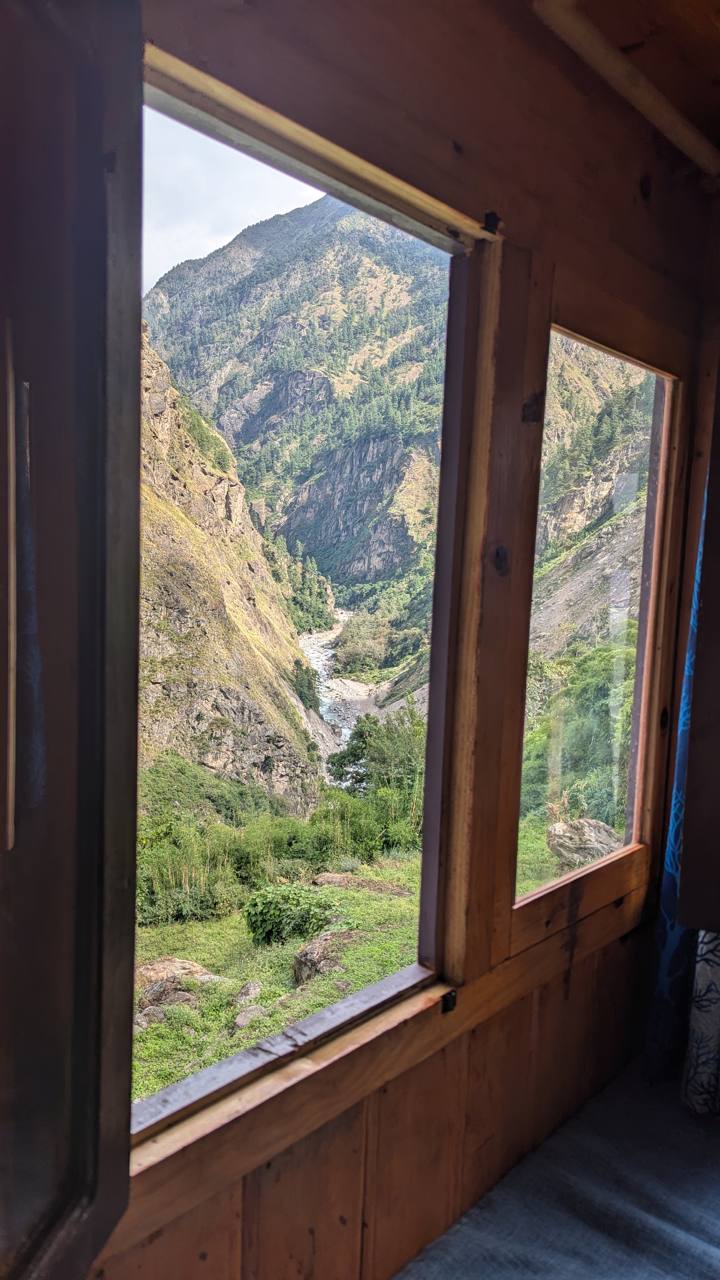
Day 10 (Nov 6): Lokpa to Bihi, 2000m → 2100m
The gout in my right knee is gone and I walked fast like a happy boy again. A lunch stop with fast internet and a cozy design. A story I heard: the first Gurung to open a guest house at Dharmashala could not stay because the Tibetan people didn’t allow it, so he moved down to Lho, then Prok. First a tent, then others followed and opened guest houses.
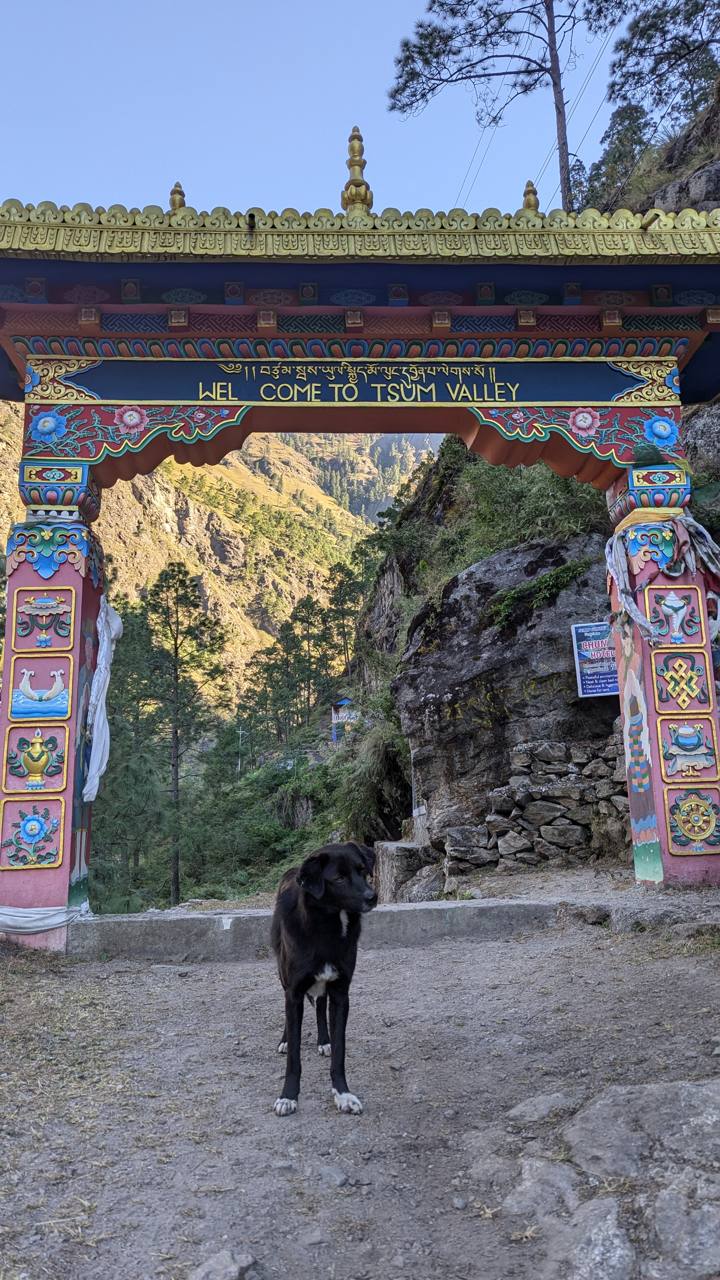
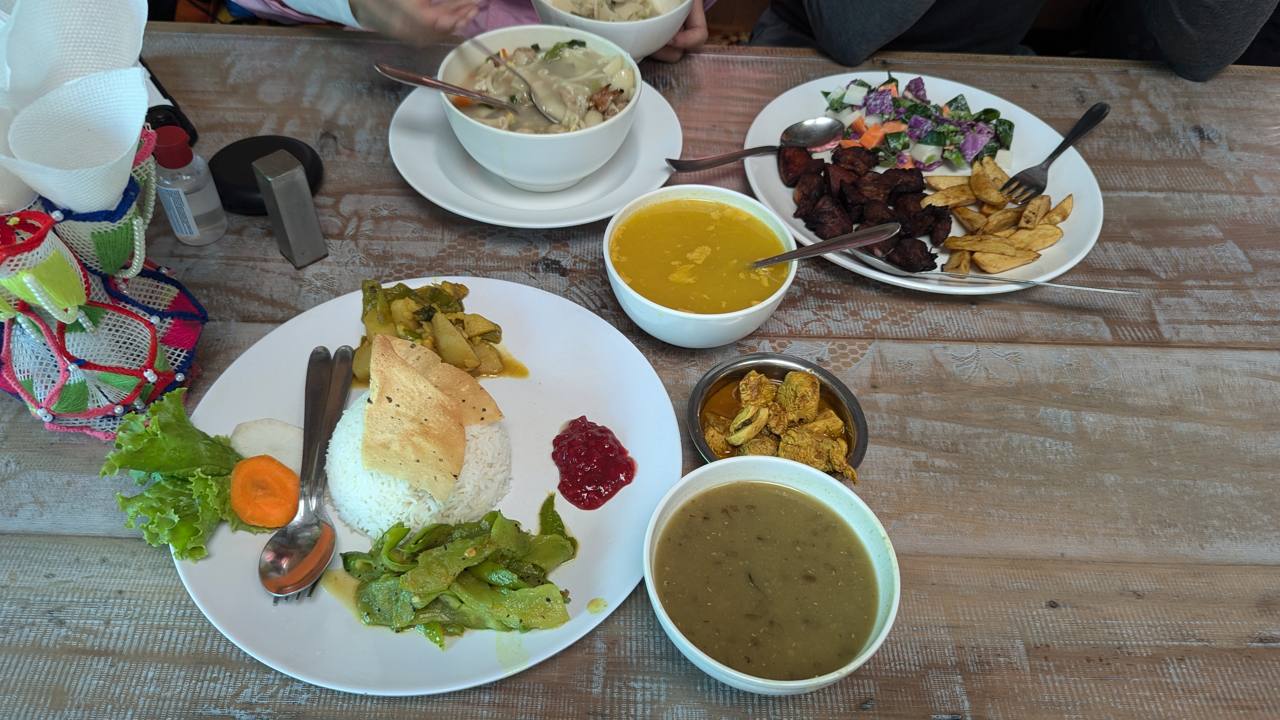
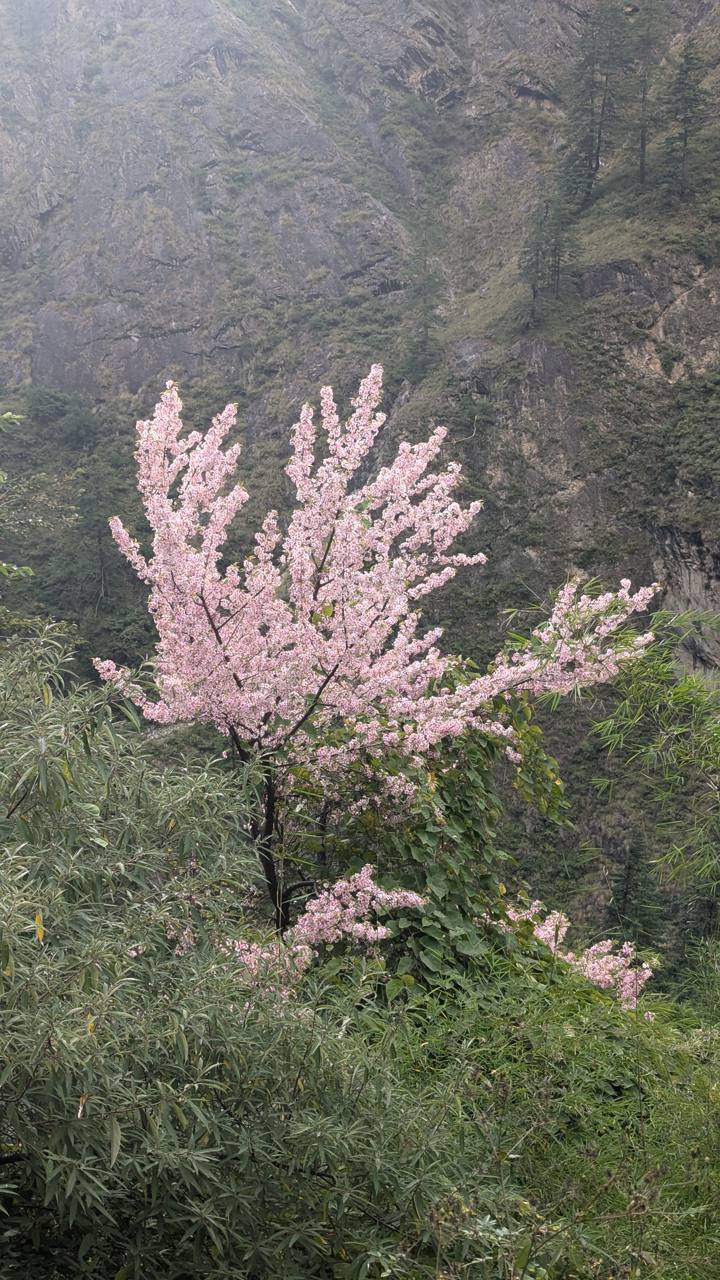
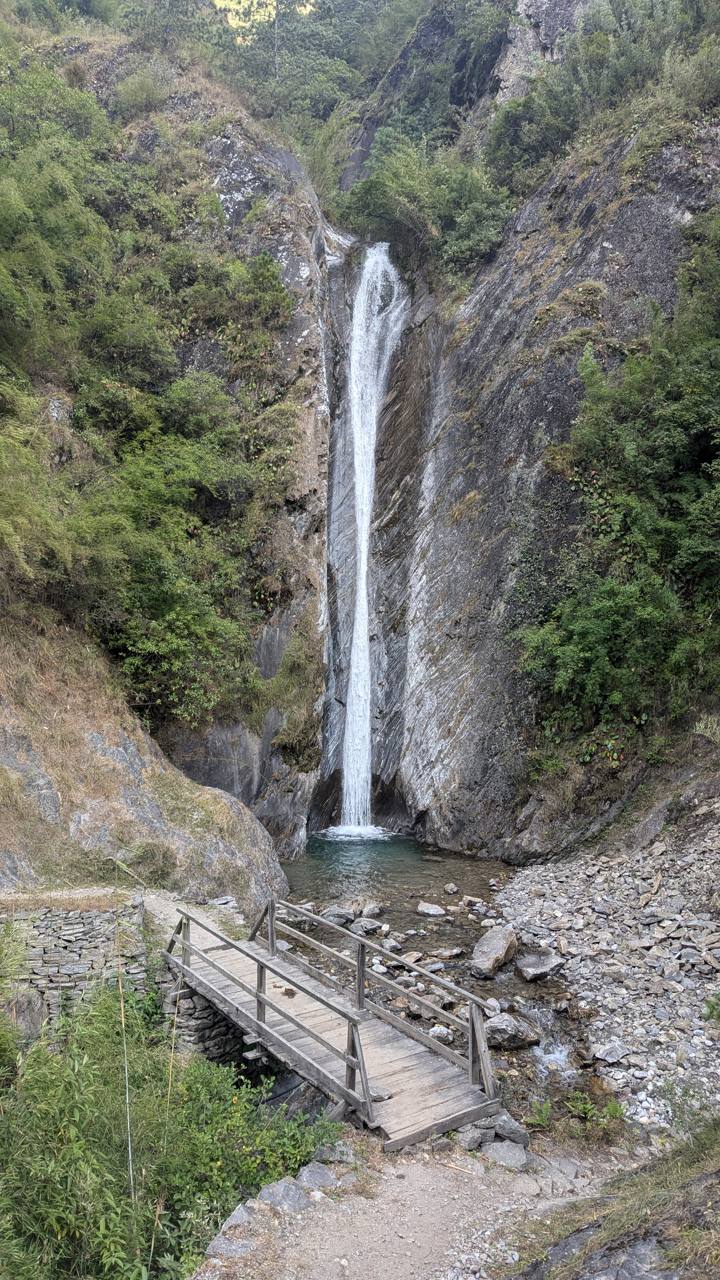
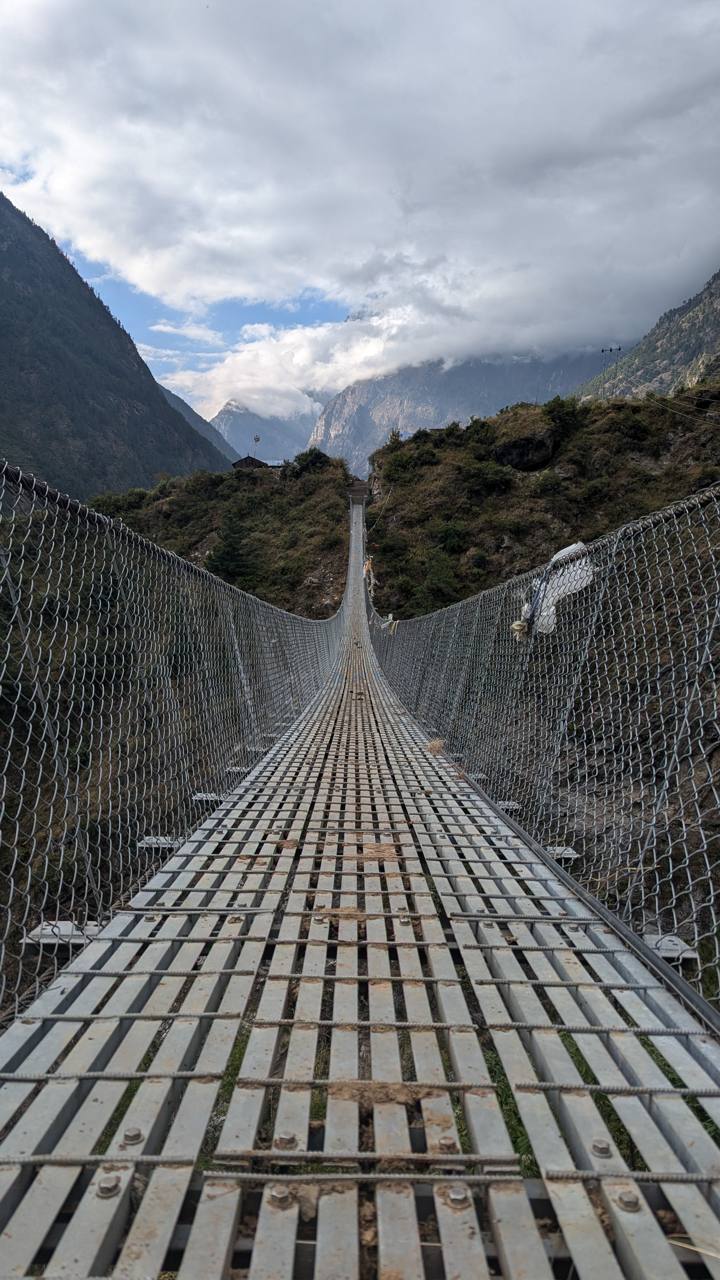
Day 11 (Nov 7): Bihi to Namrung, 2100m → 2650m
Shobot delek, good morning. Two good, long climbs, from Bihi to Prok, and from there on; great local apple pie and juice.
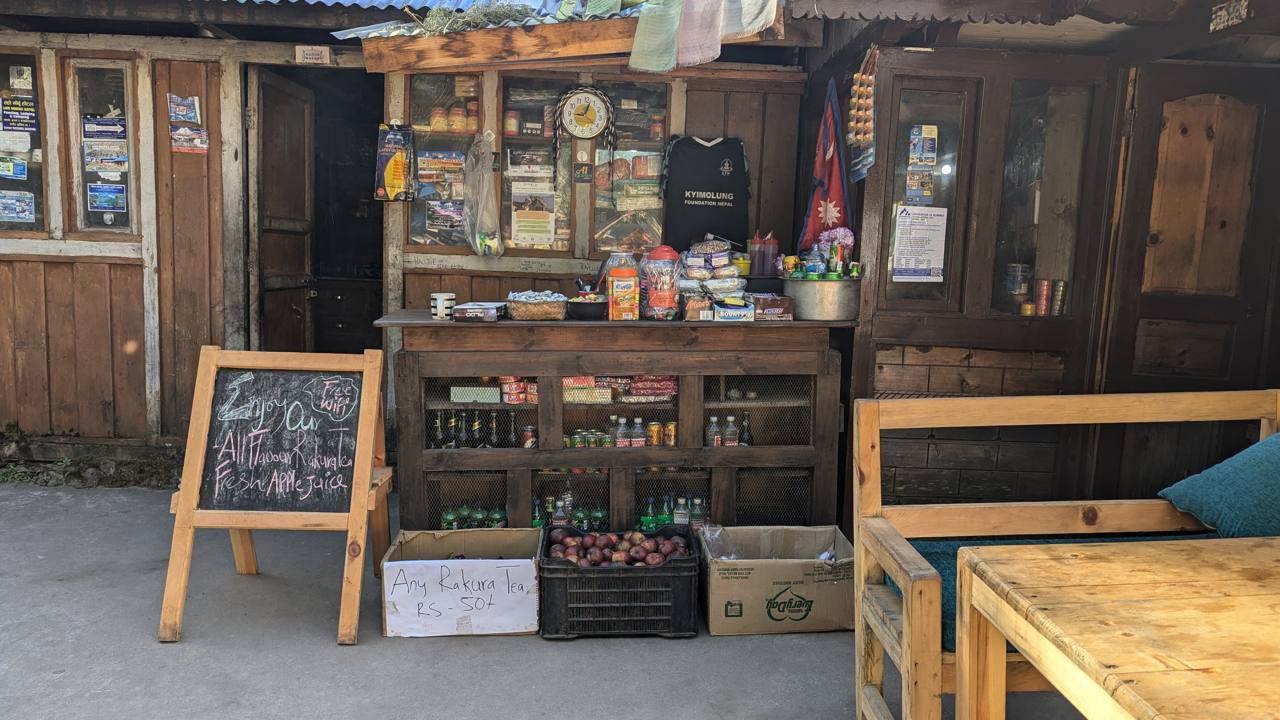
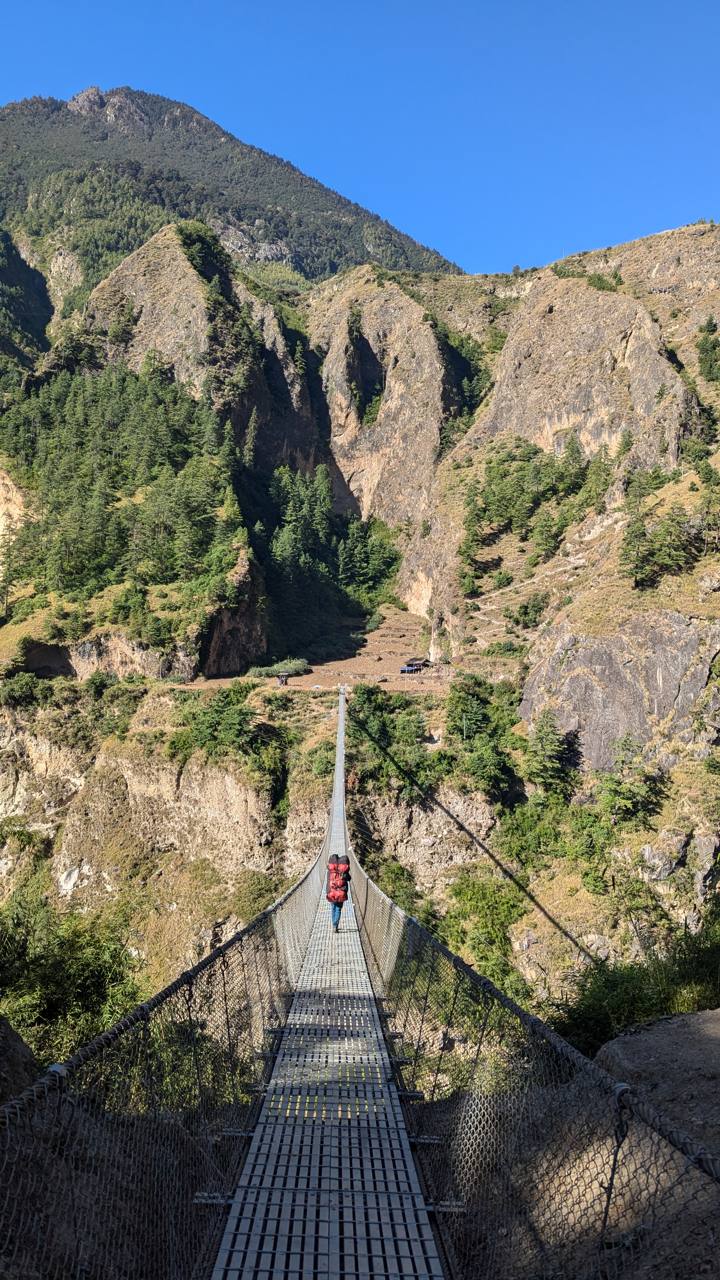
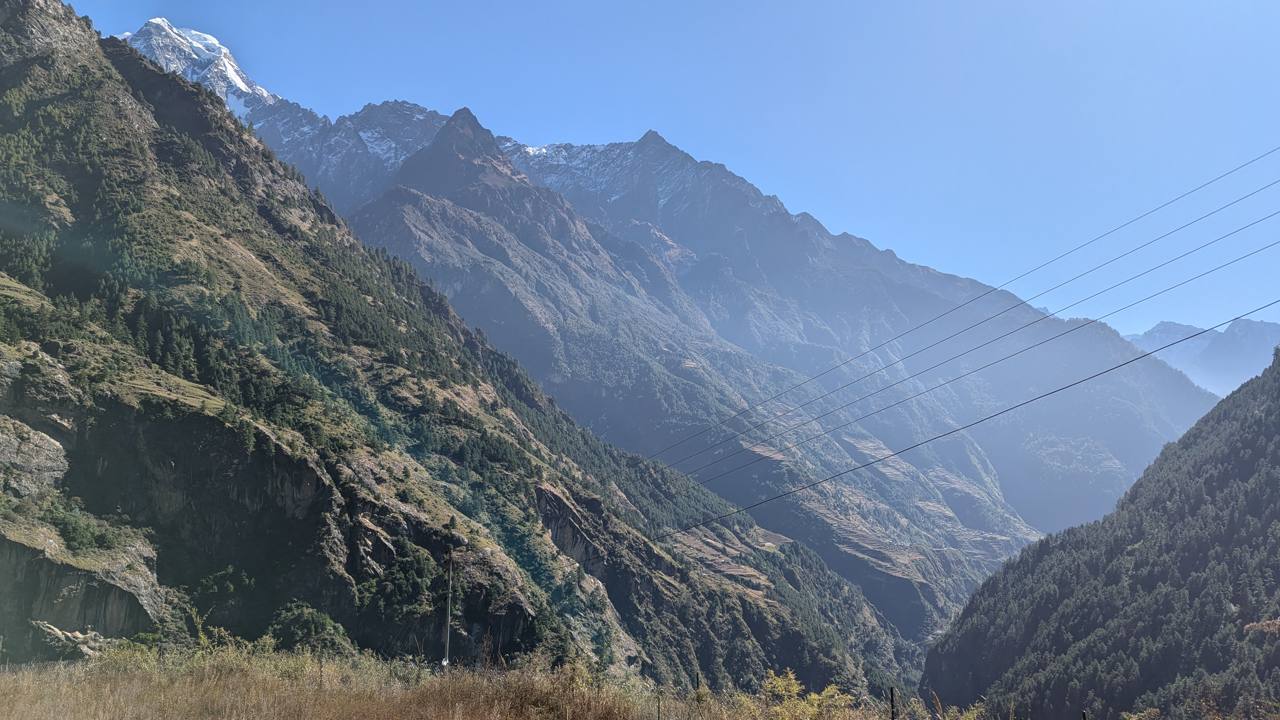
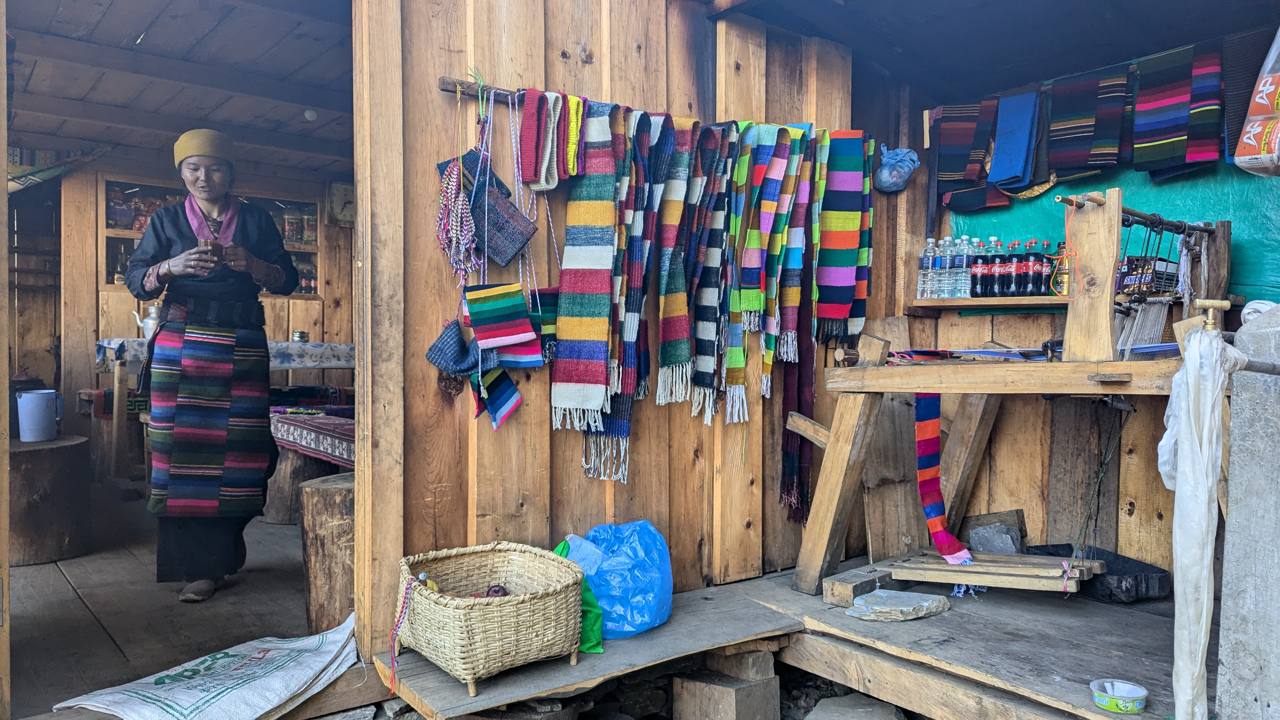
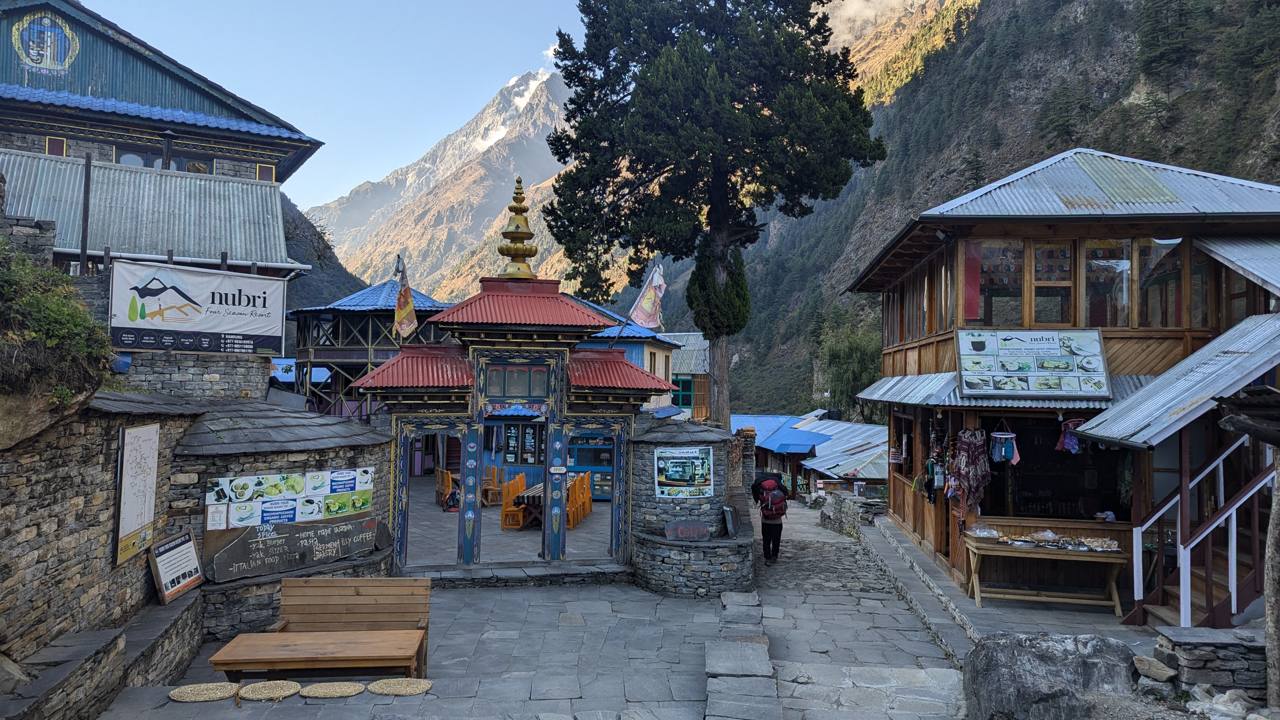
Day 12 (Nov 8): Namrung to Syalagaon, 3500m
Woke up earlier. Climb high, sleep low: 500m of elevation gain in a day, reach the hotel, then keep climbing and come back down to sleep.
Day 13 (Nov 9): Syalagaon to Samagaon, 3500m
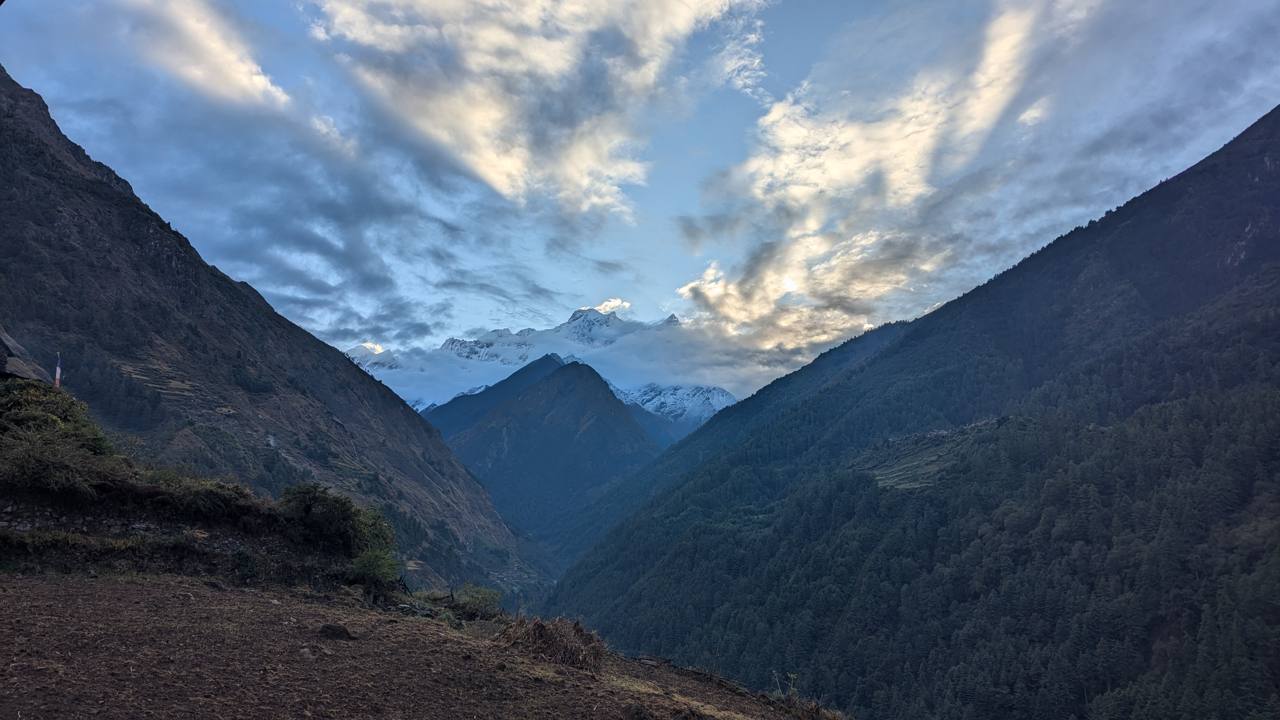
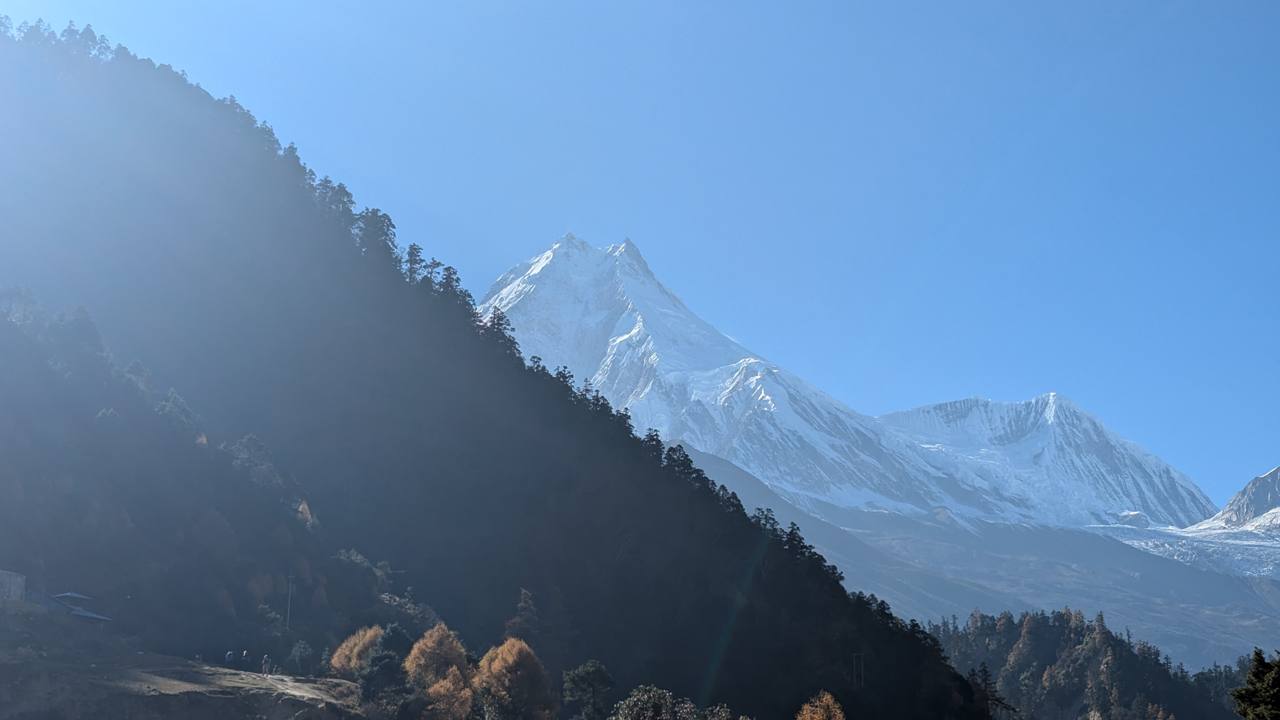
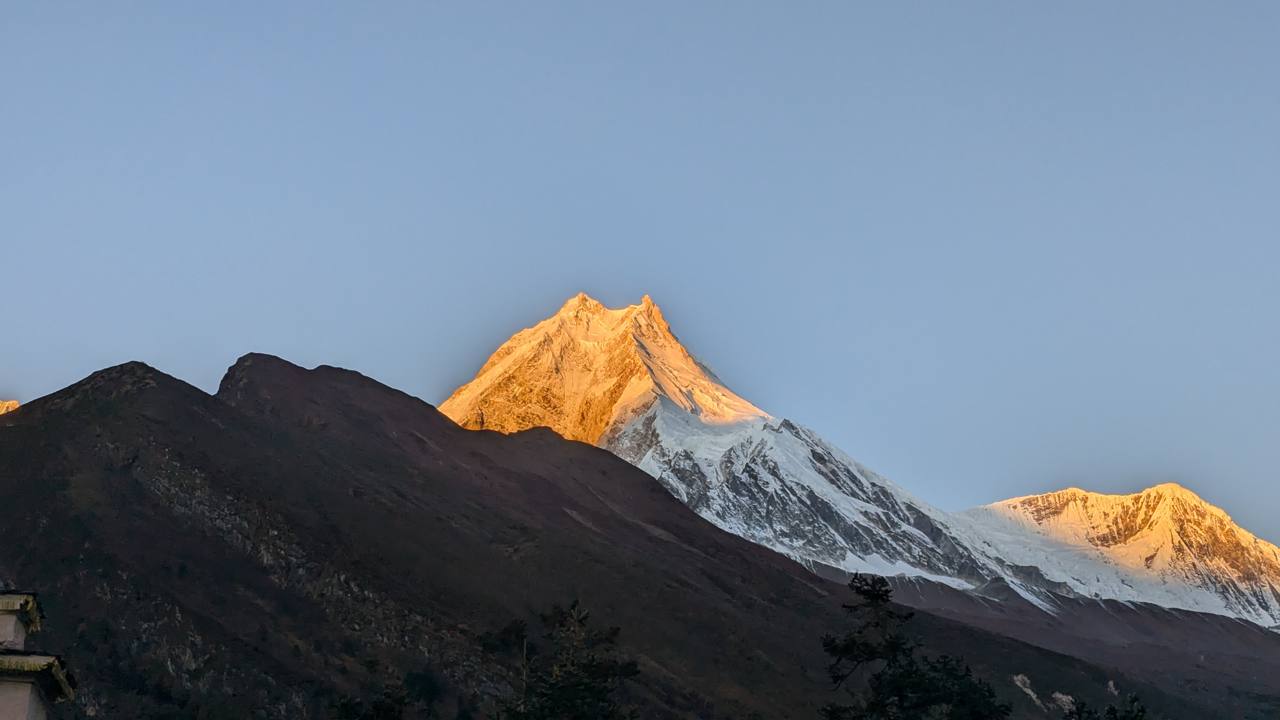
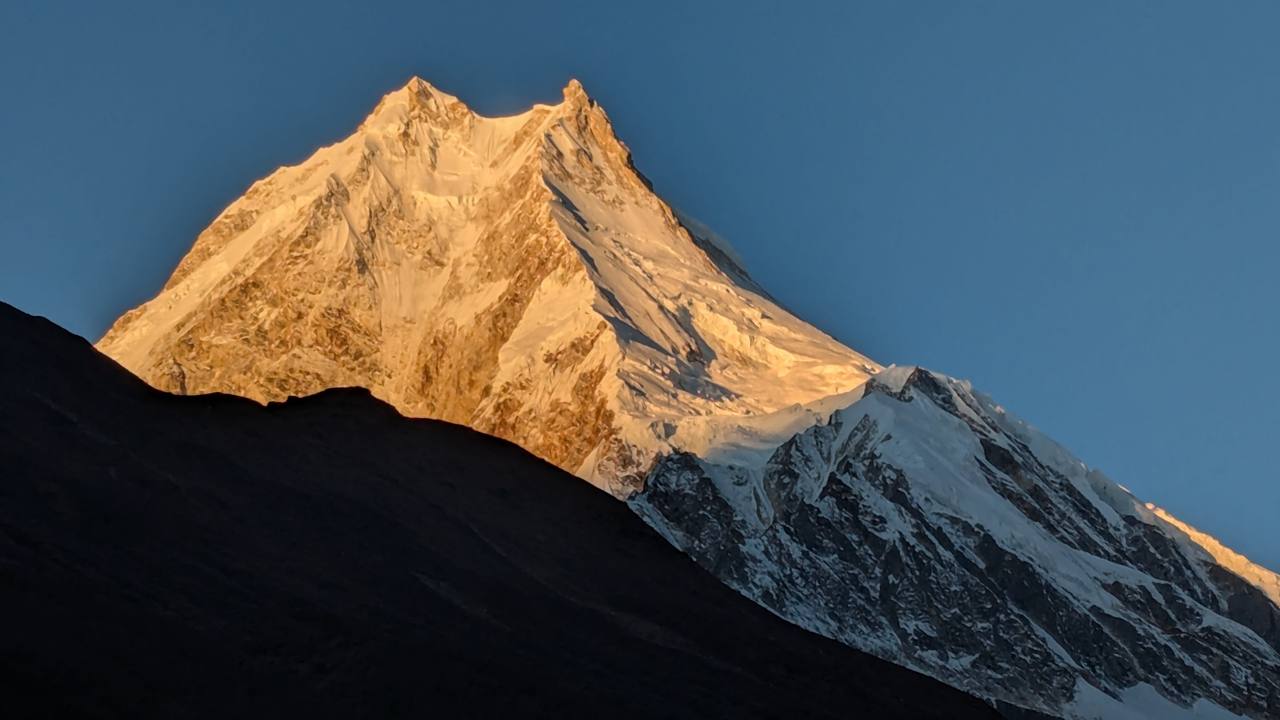
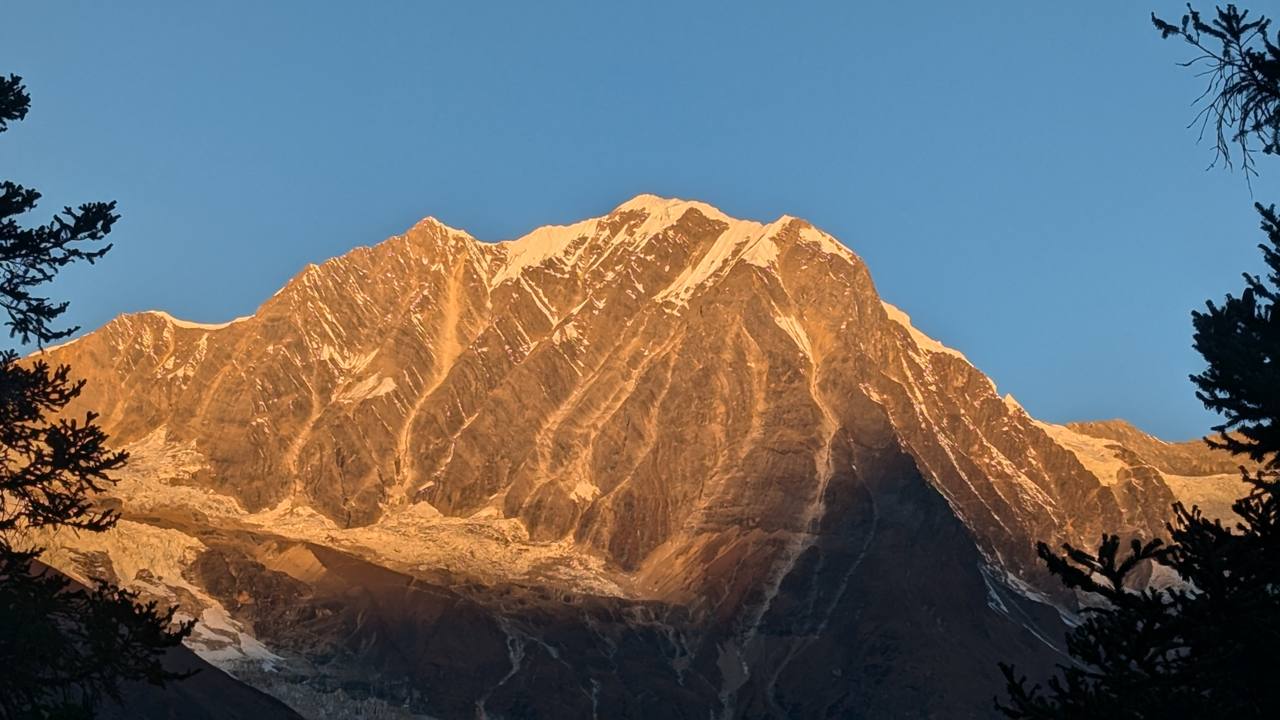
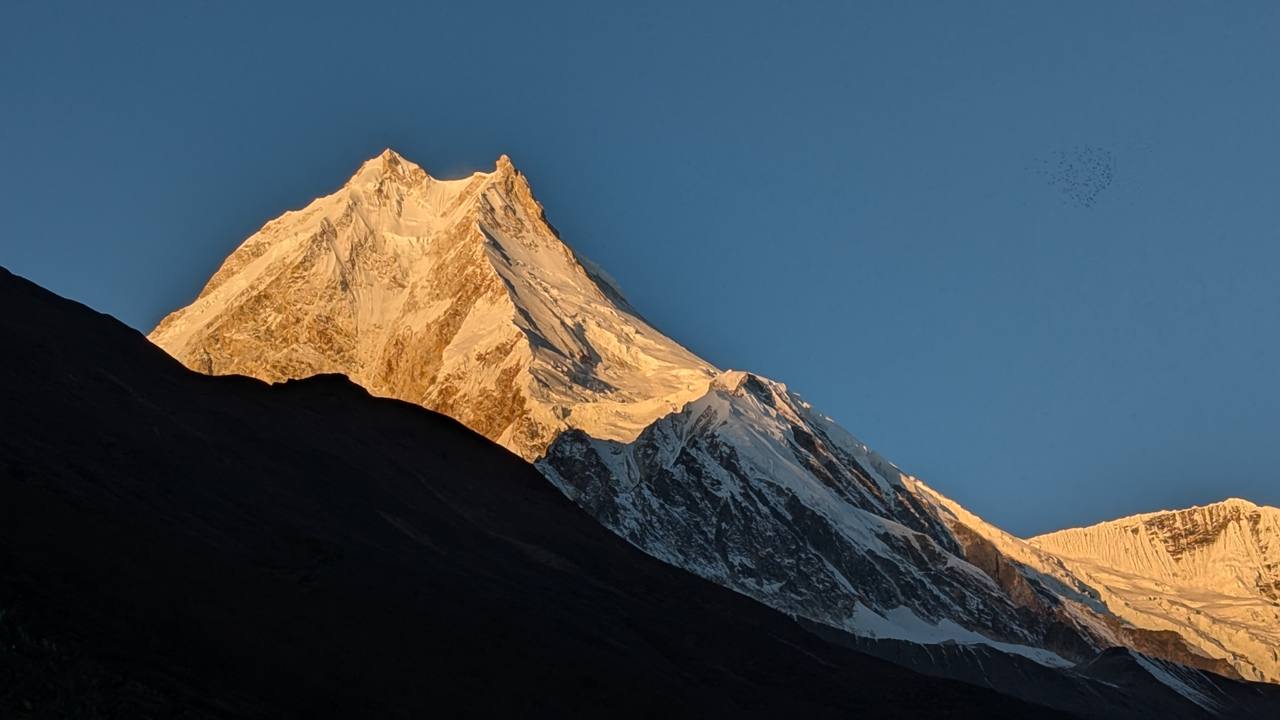
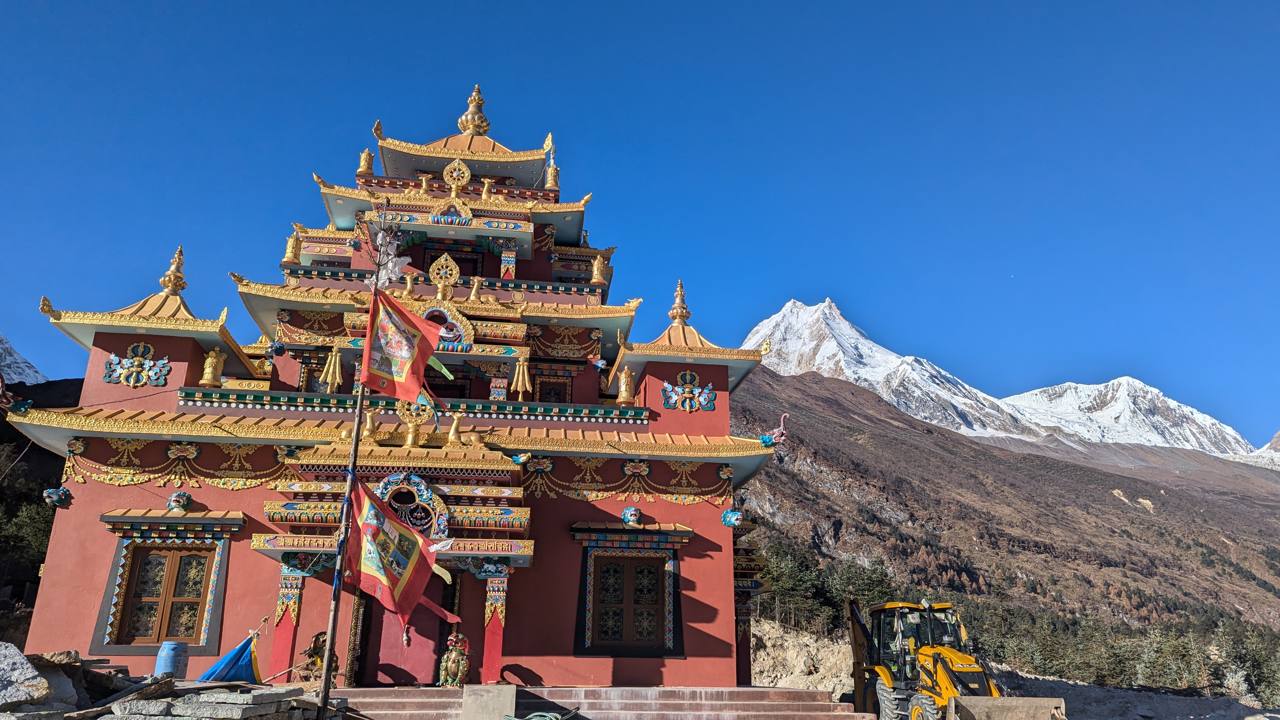
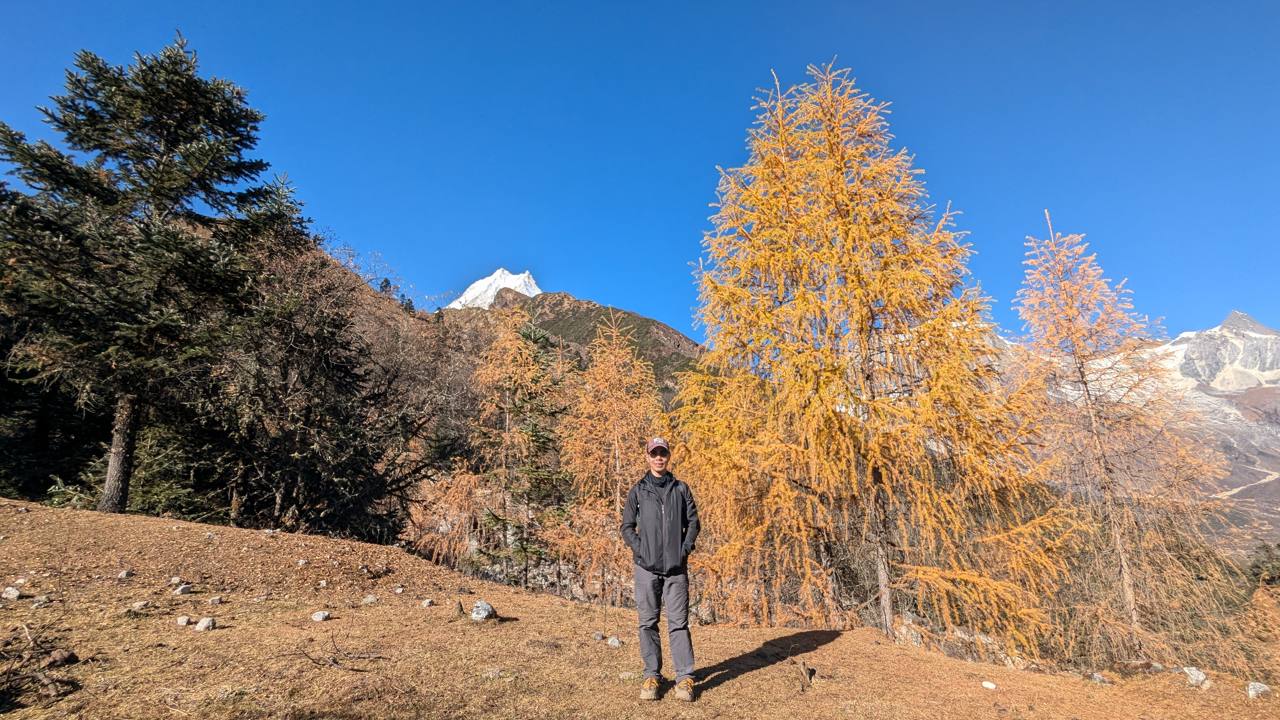
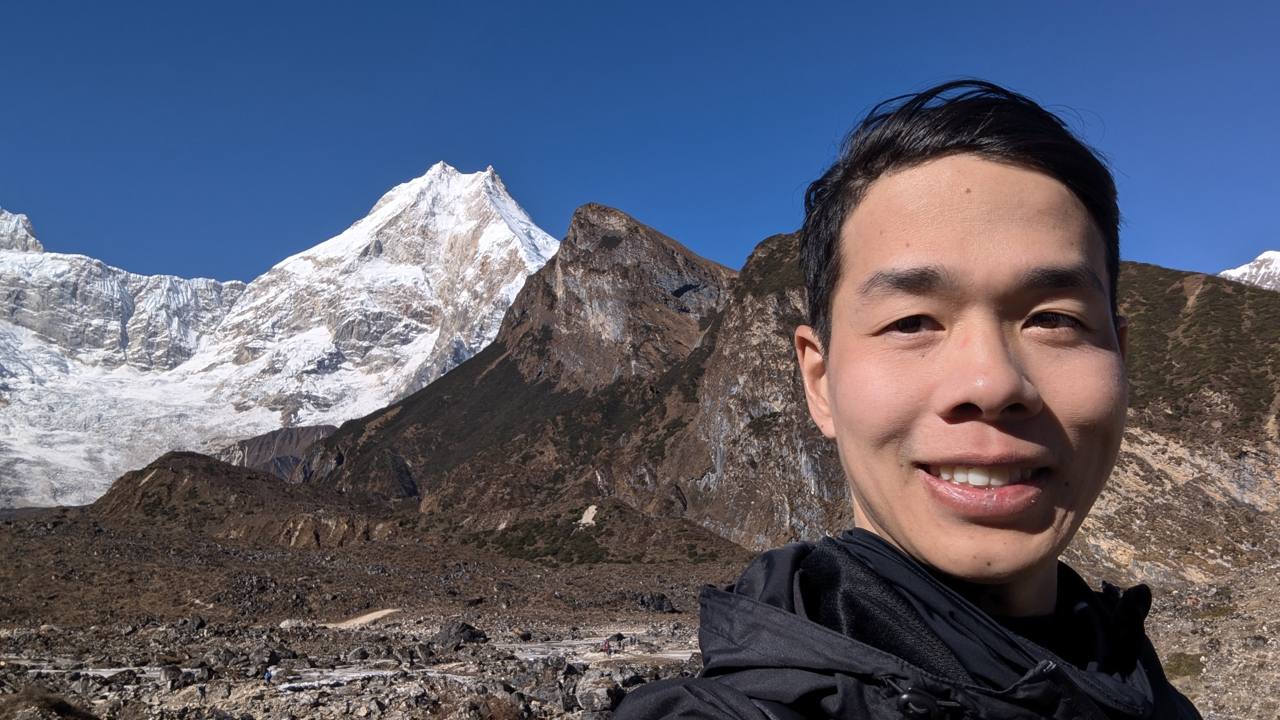
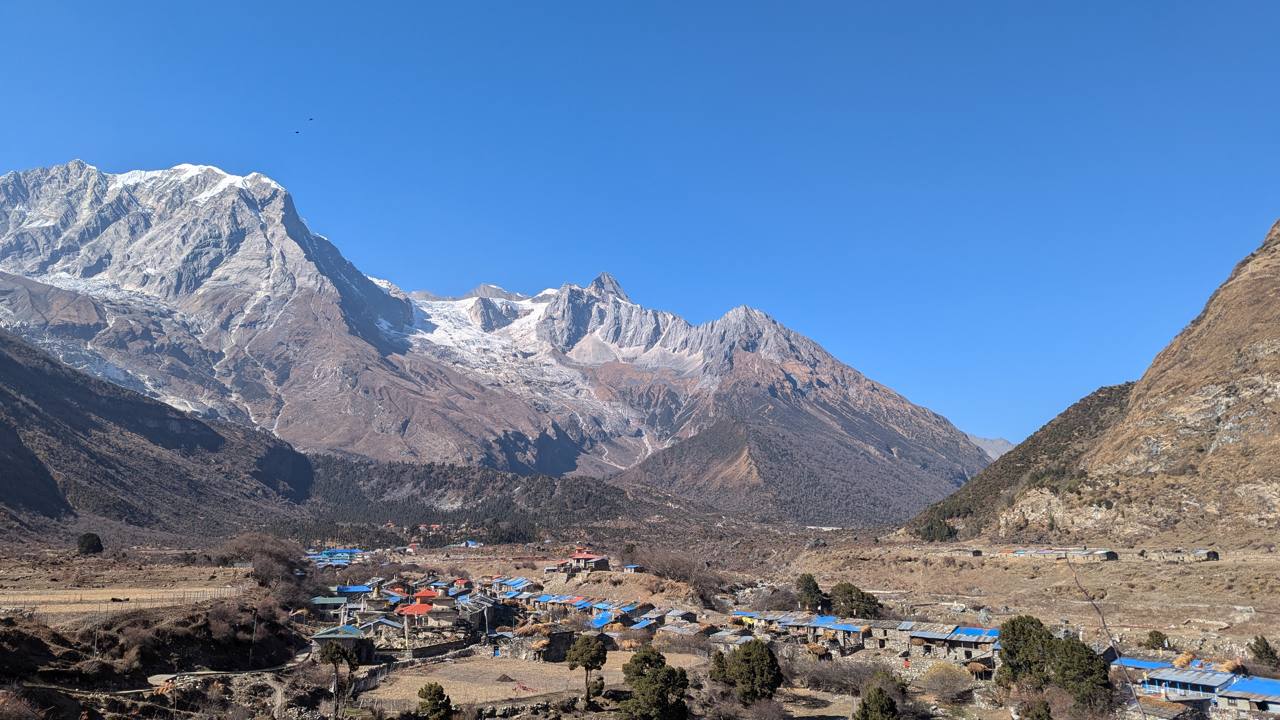
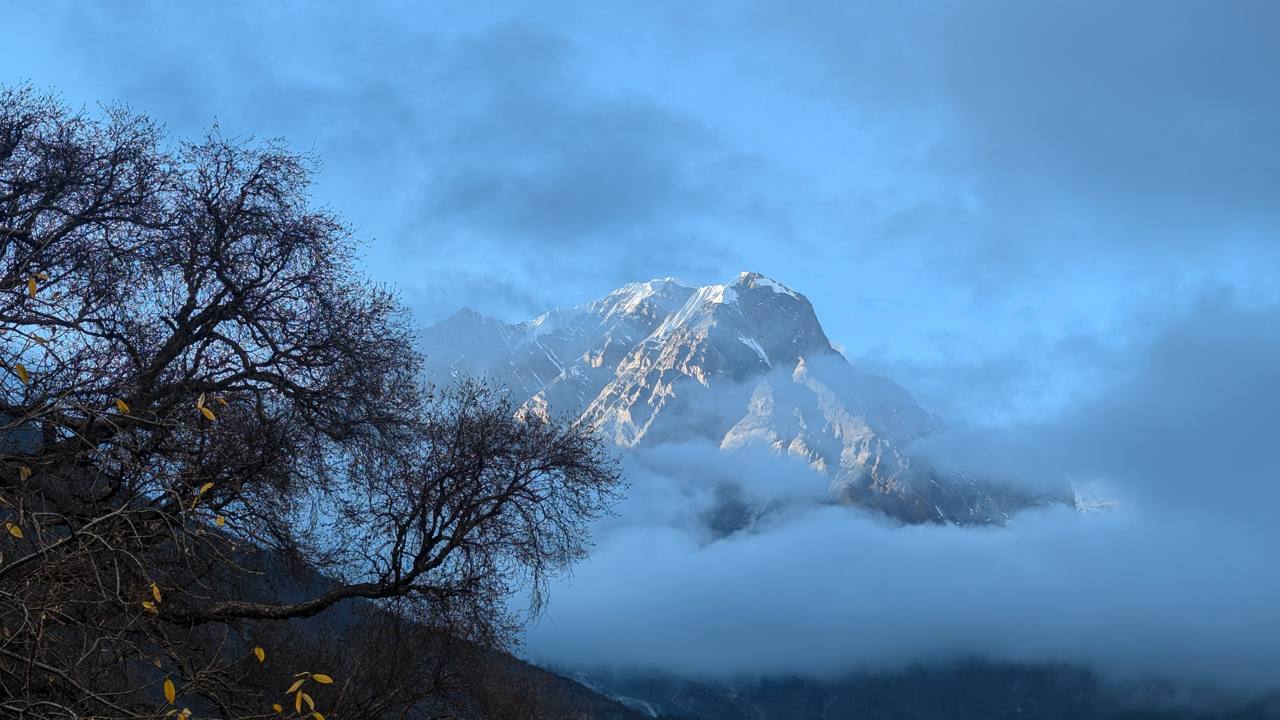
Woke up early to see the Manaslu peaks. We started late and, for the first time, I saw the guide rush people. The evening before I had the feeling he doesn’t like this trek very much. He wanted to cut today short instead of continuing to the monastery. He had nothing for the packed lunch so I gave him 2 energy gels; his hand was shaking and he fell asleep while walking. Heroes also have weak moments; they just have to be strong. No AMS so far. I drafted behind the lead like in cycling and felt good. I should have brought my cycling sunglasses.
Day 14 (Nov 10): Samagaon to Samdo, 3500m → 3700m
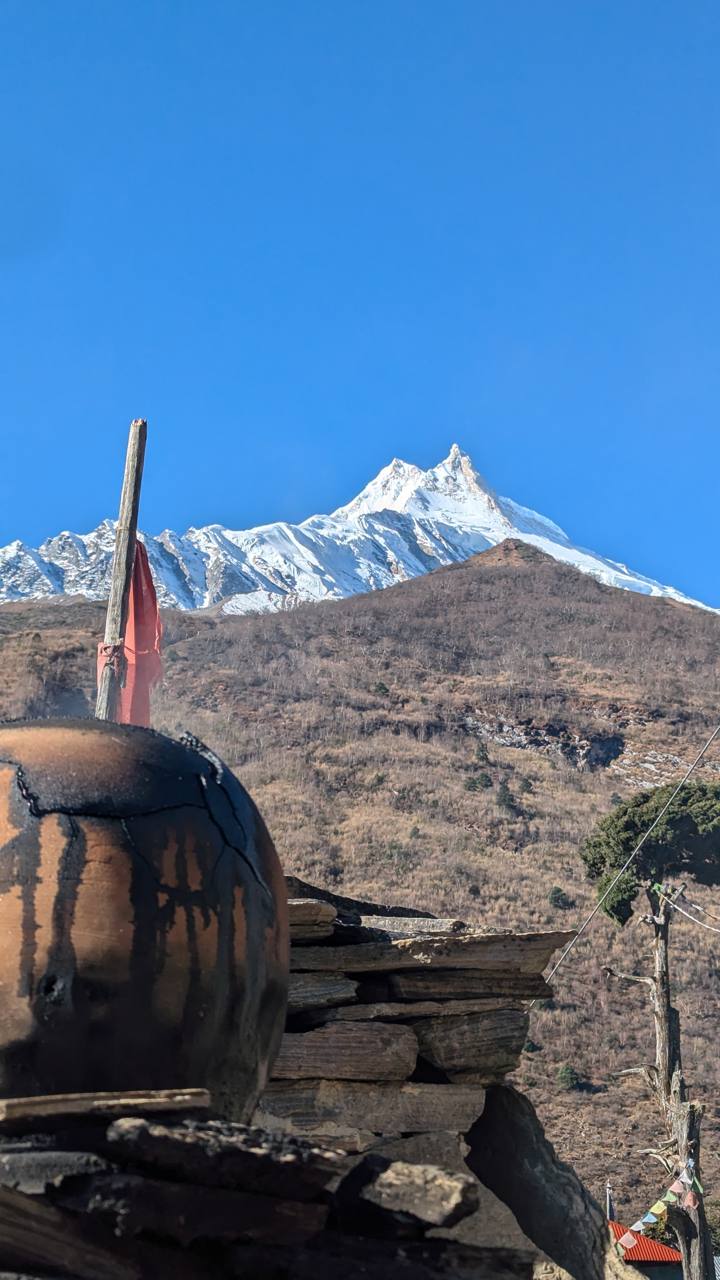
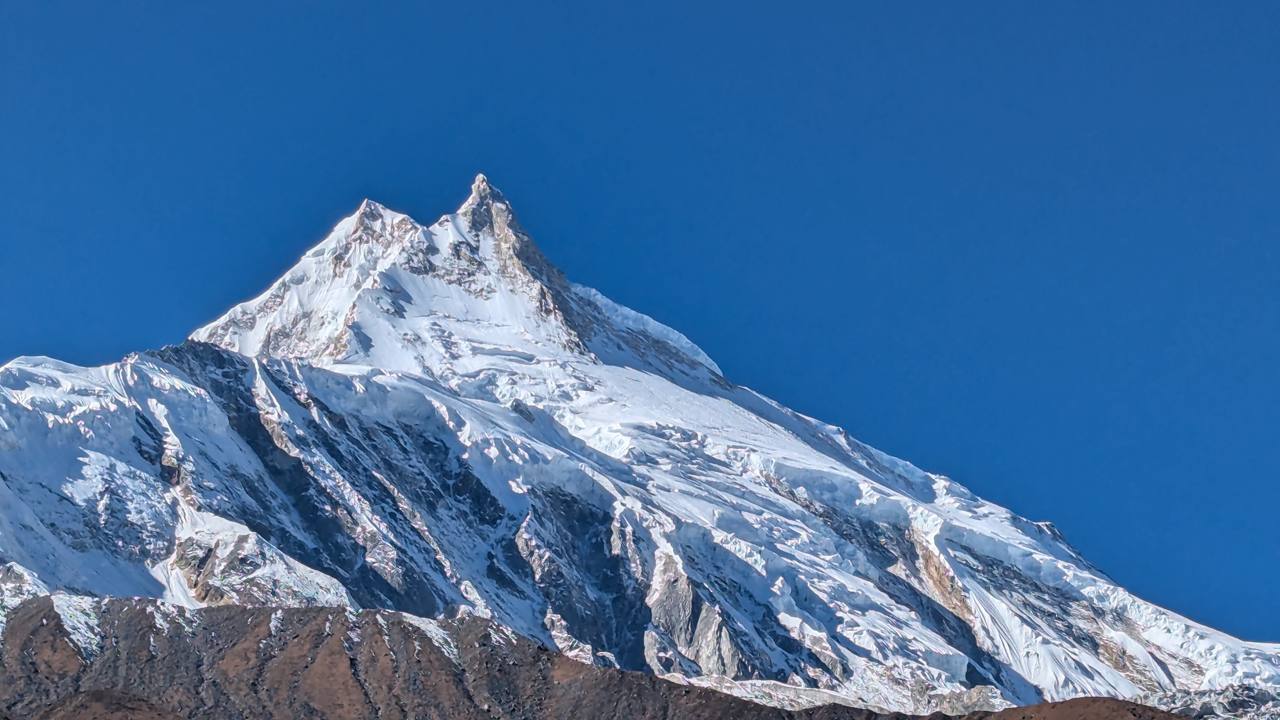
The briefing for the big day: Dharamsala to Bimtang, 6 hours to Larke Pass that must be done before 11am because of wind, then 4 hours of steep 1700m downhill. Clothes and snacks ready. 10 hours starting at 3:30, the longest and hardest day. Hope my gout goes away. Today’s downhill was hard enough.
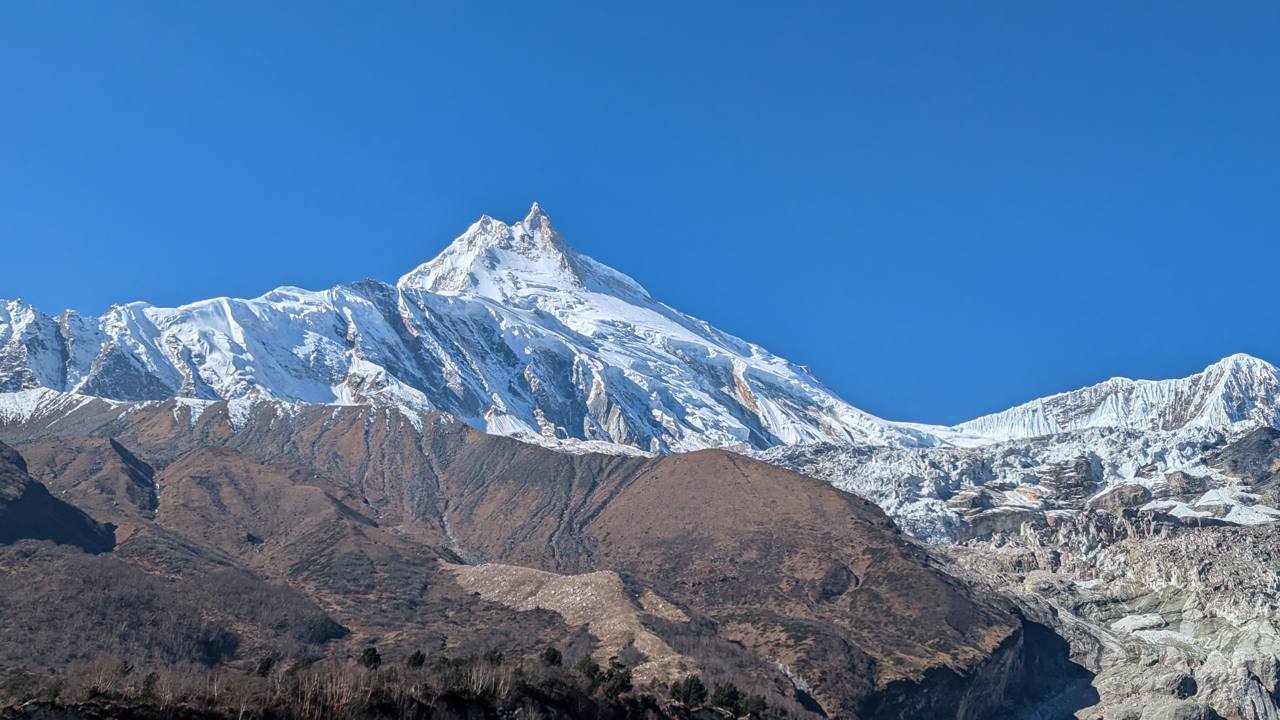
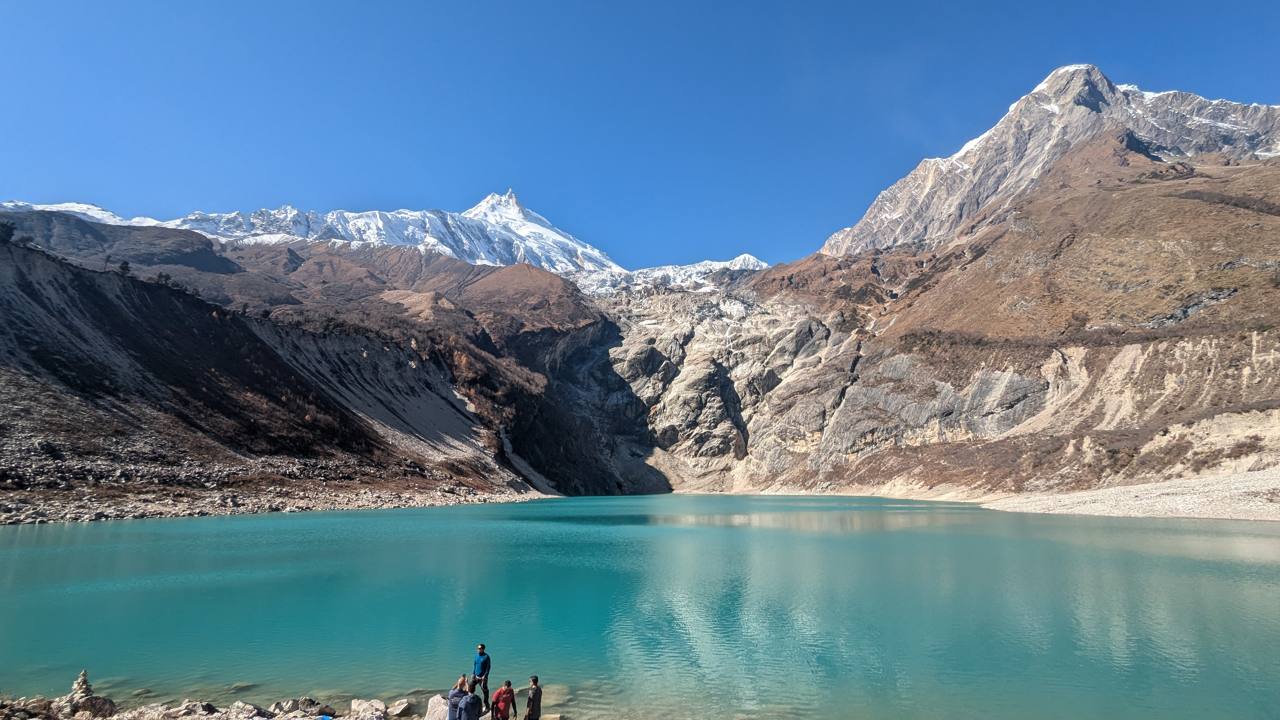
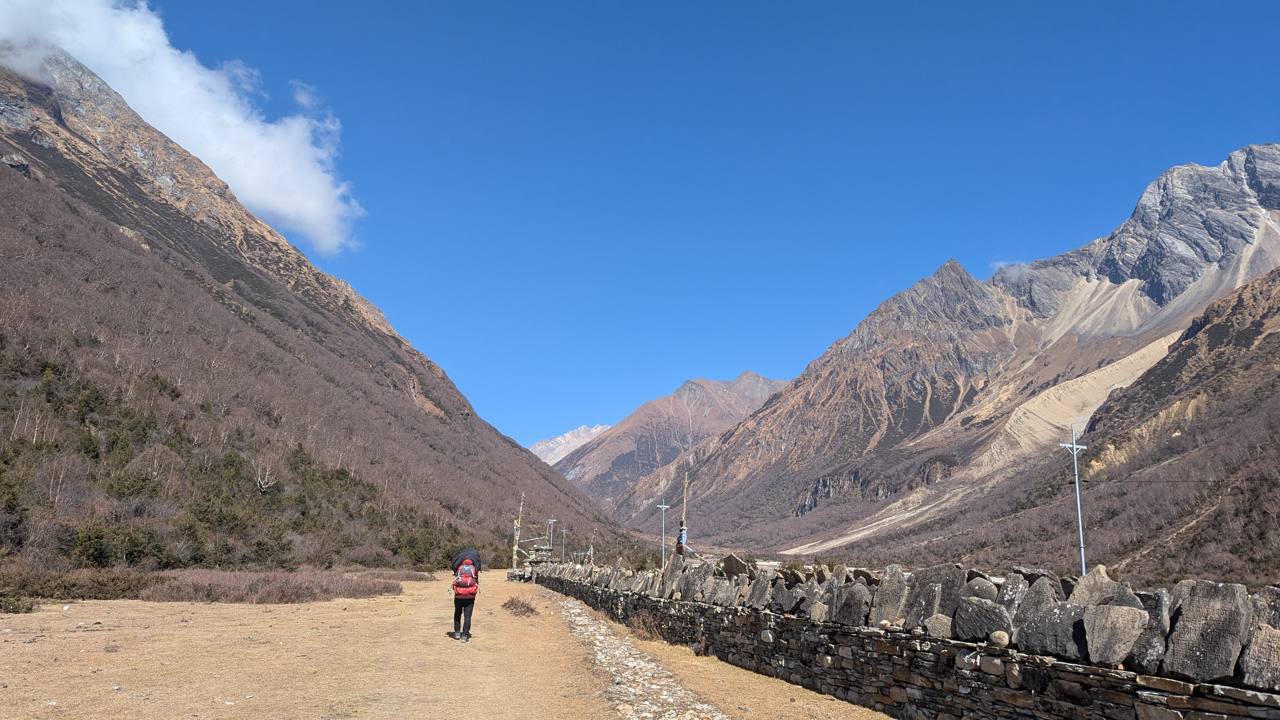
Day 15 (Nov 11): Samdo to Dharamsala
A nice, slow uphill at a steady pace: 1 step and 1 breath per second, heart rate 130-140. A crazy place, literally; super packed, no space to sit for lunch or dinner. This is where your guide and porters do their magic. No severe AMS, eyes a little sore, no headache. Do not sleep during the day.
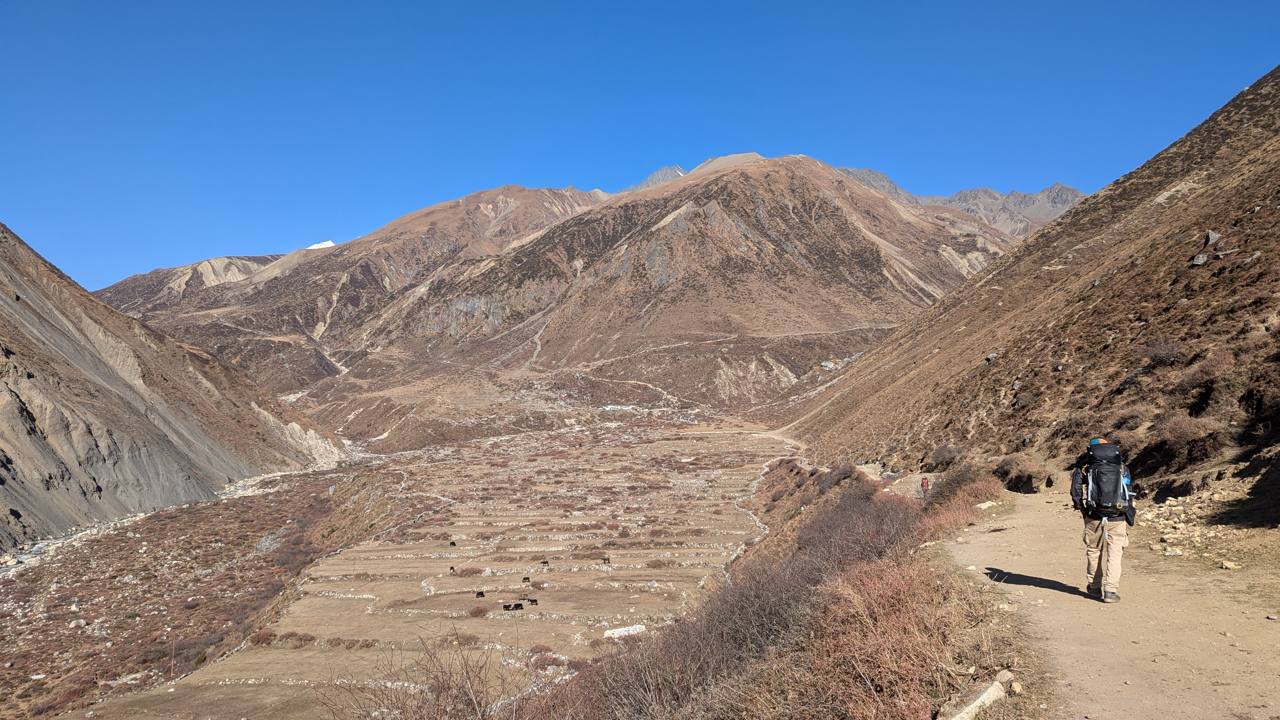
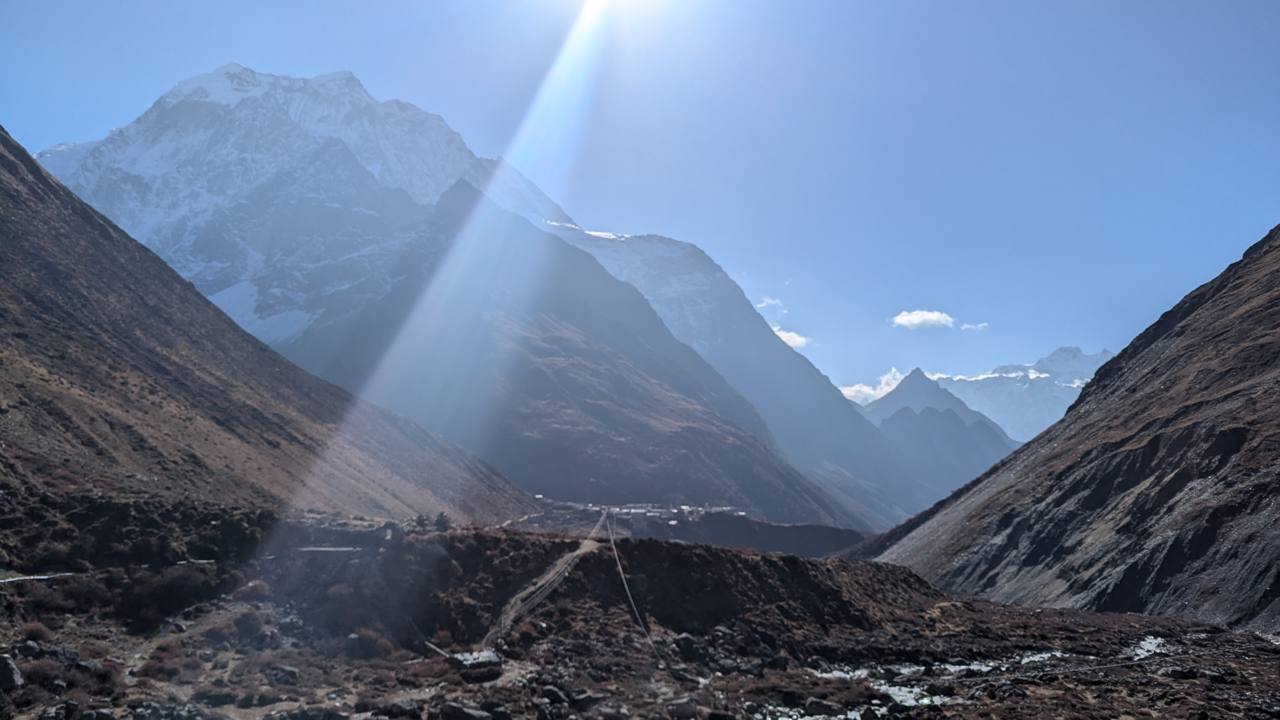
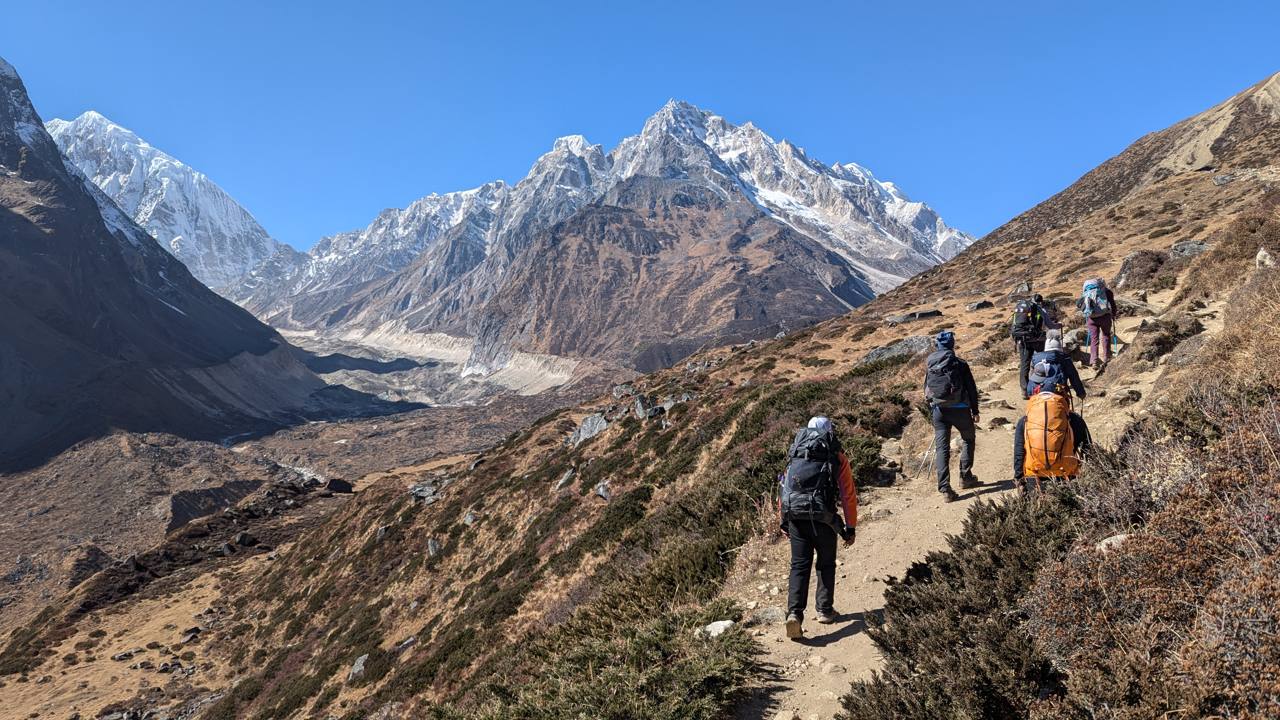
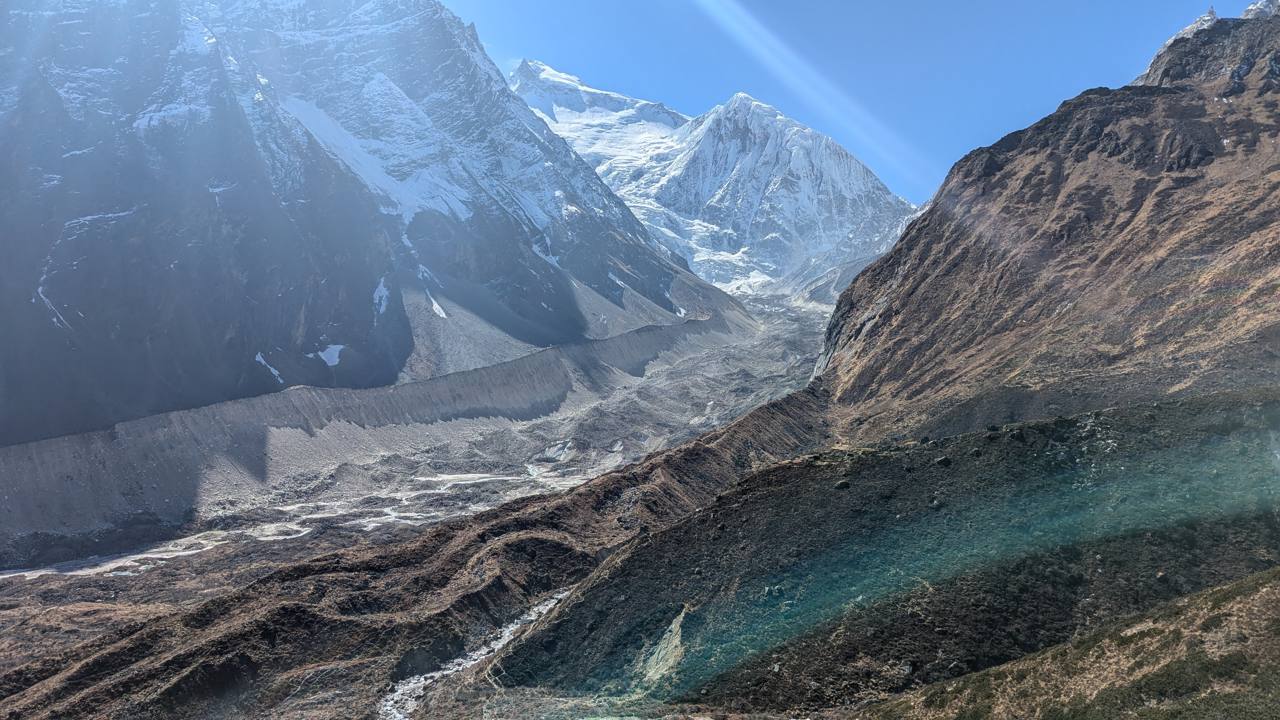
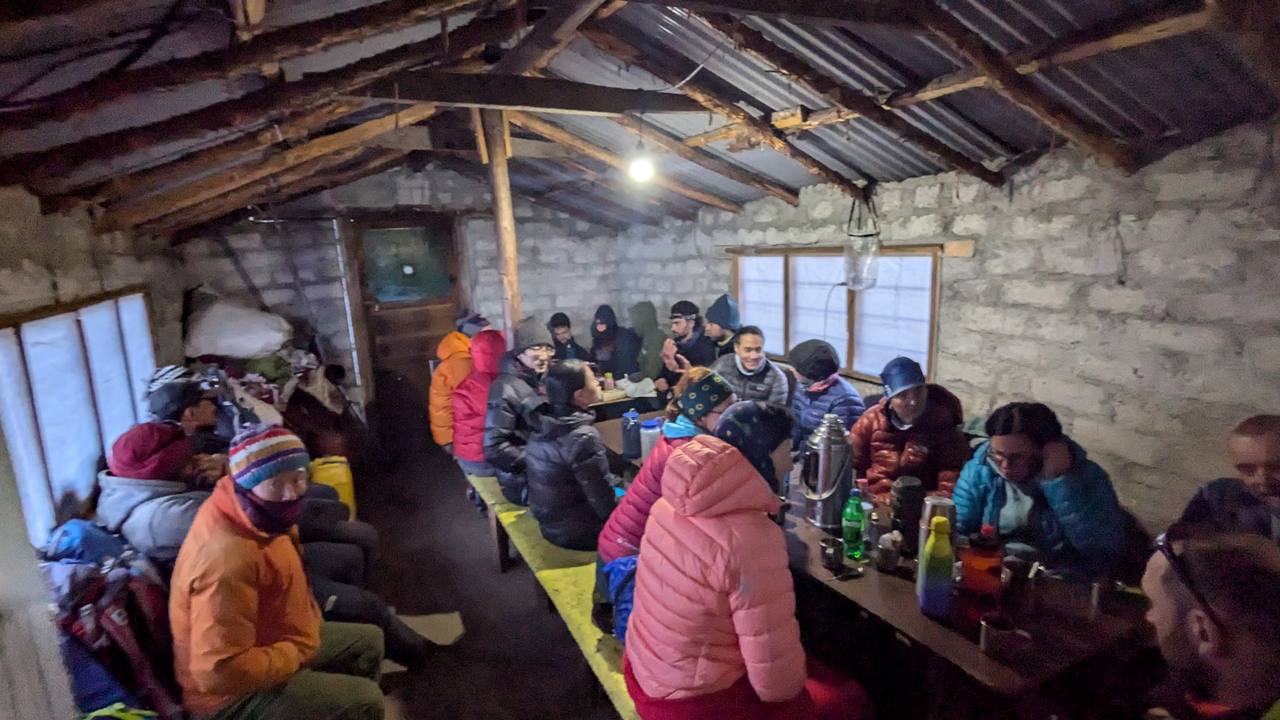
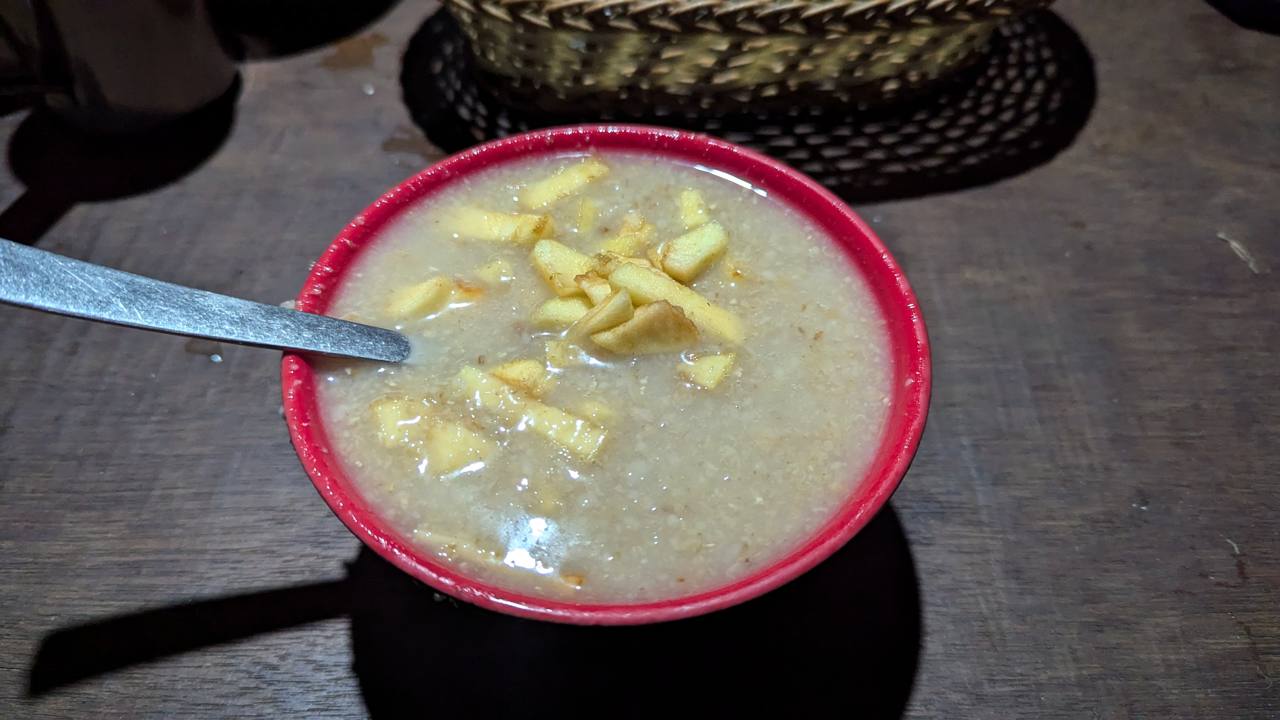
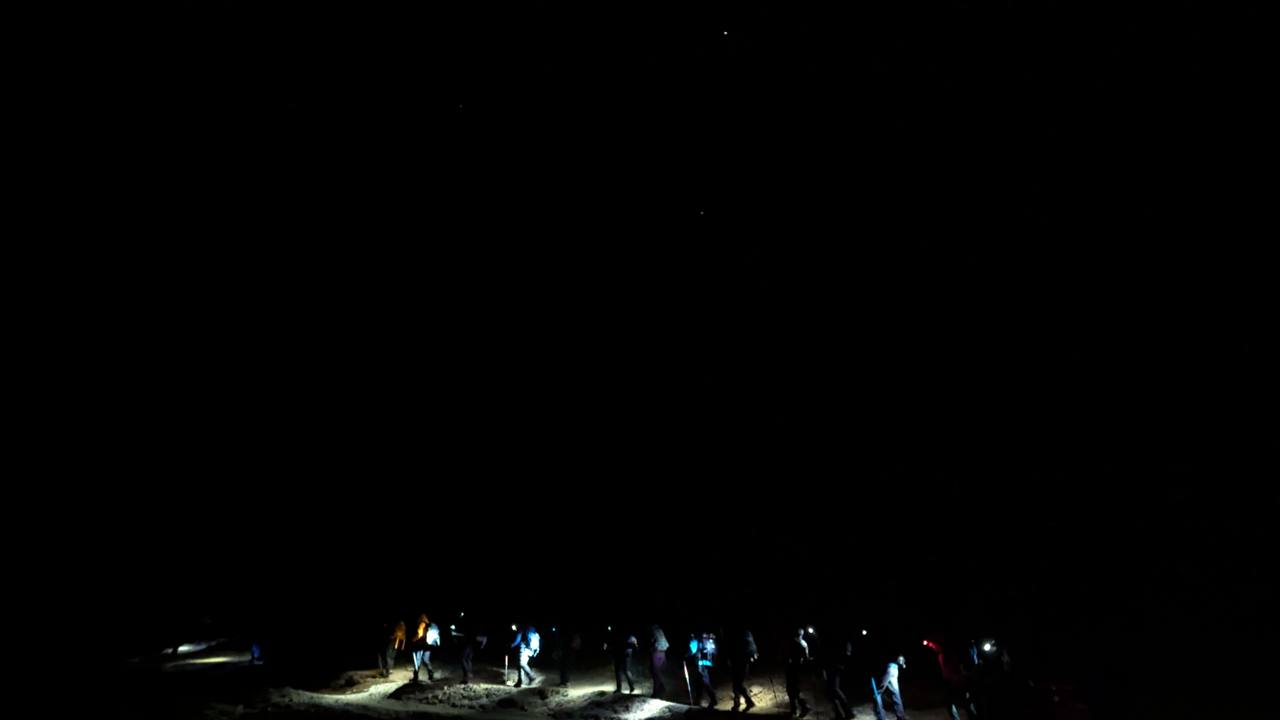
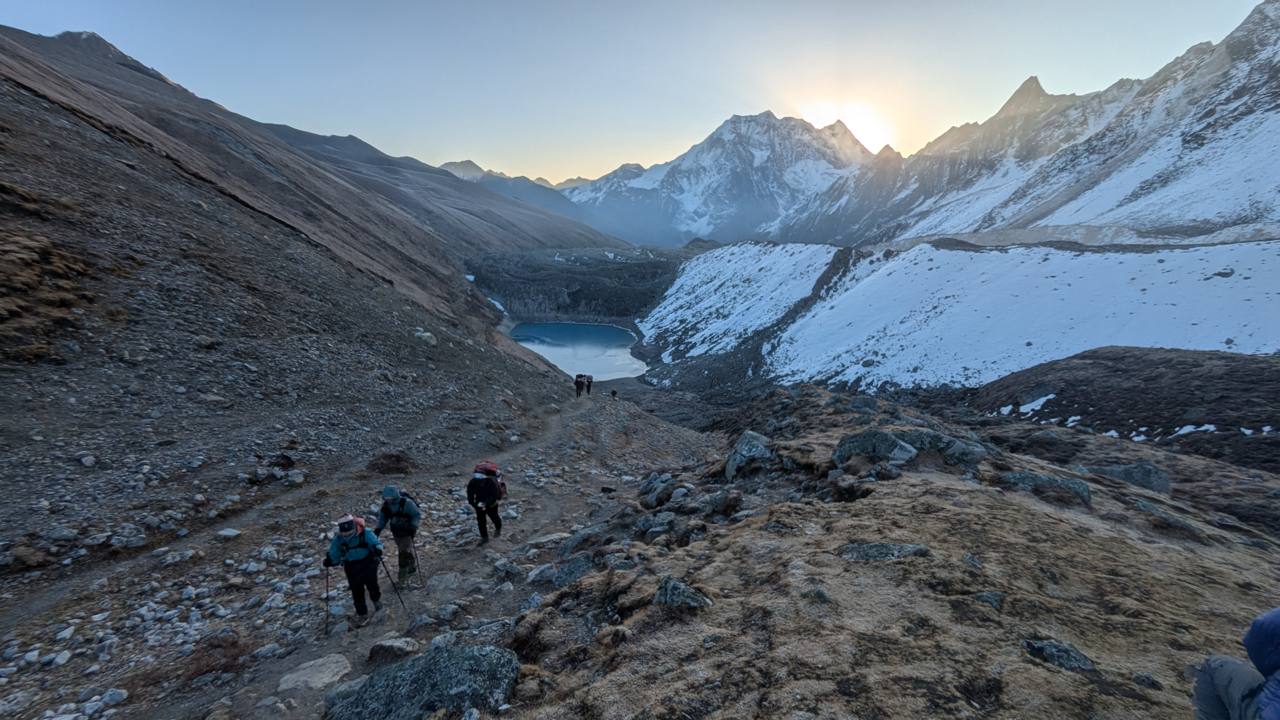
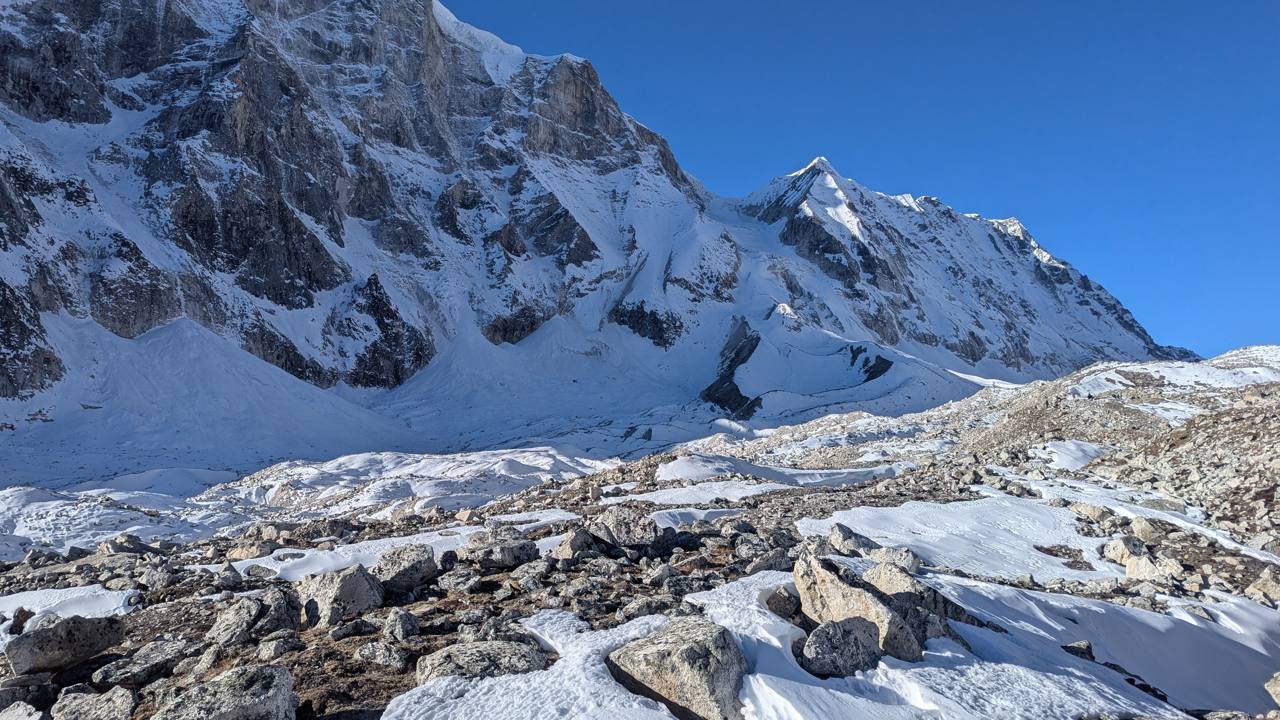
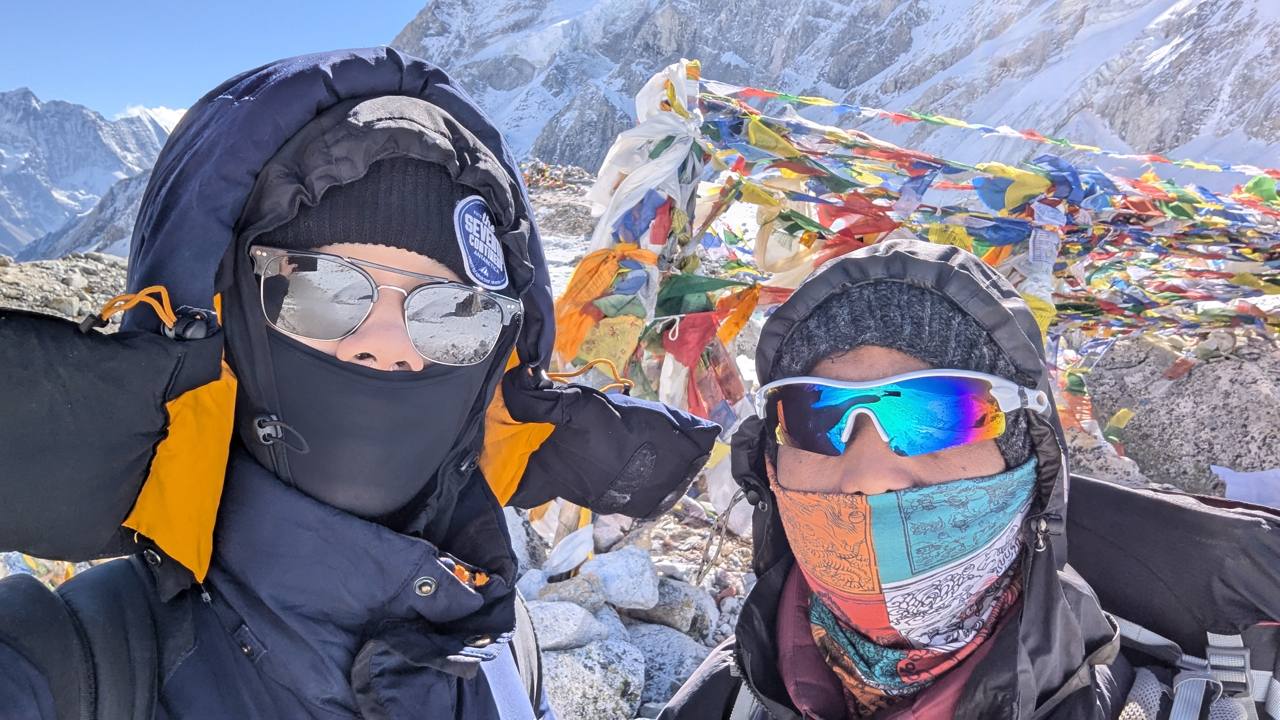
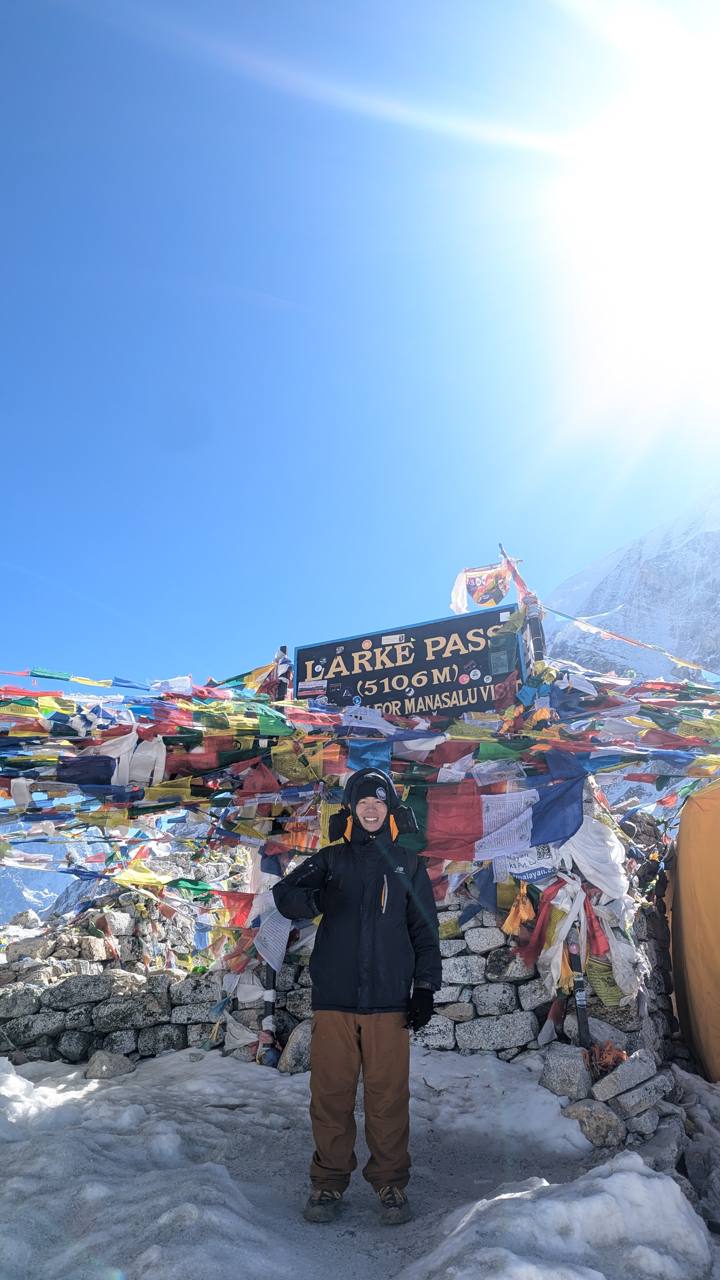
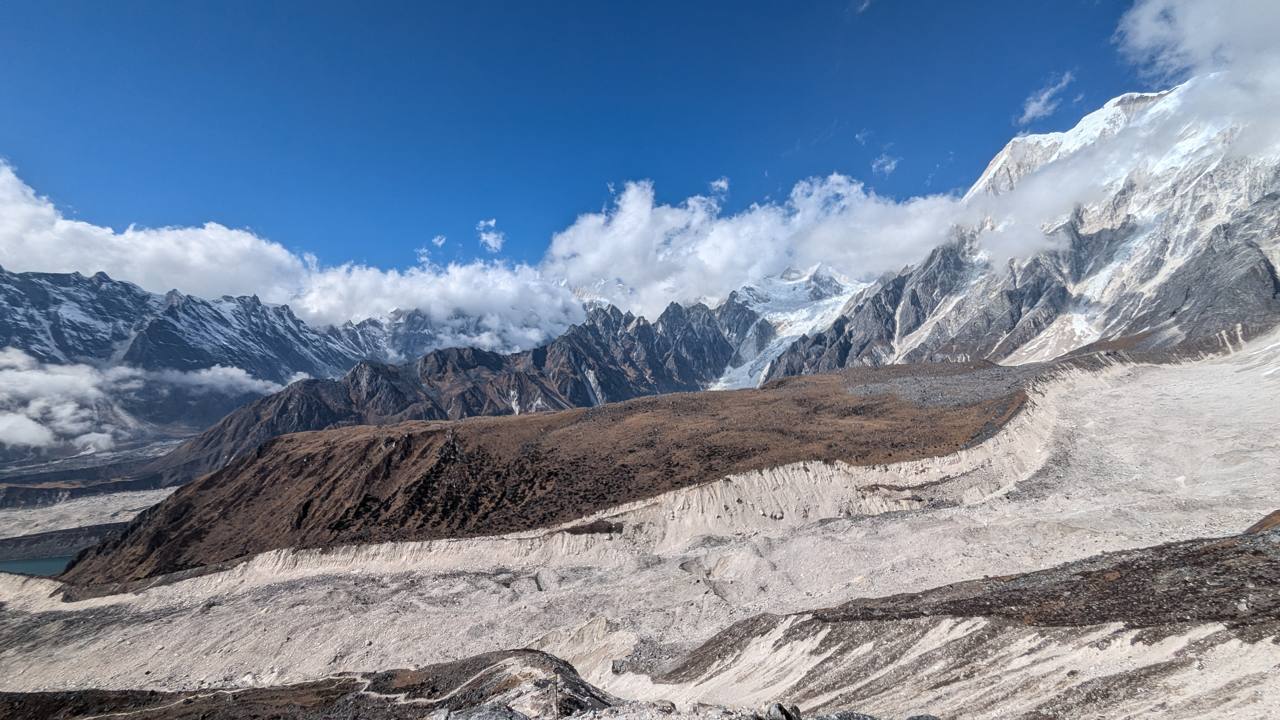
Day 16 (Nov 12): The Big Day, Dharamsala → Larke Pass (5100m) → Bimtang
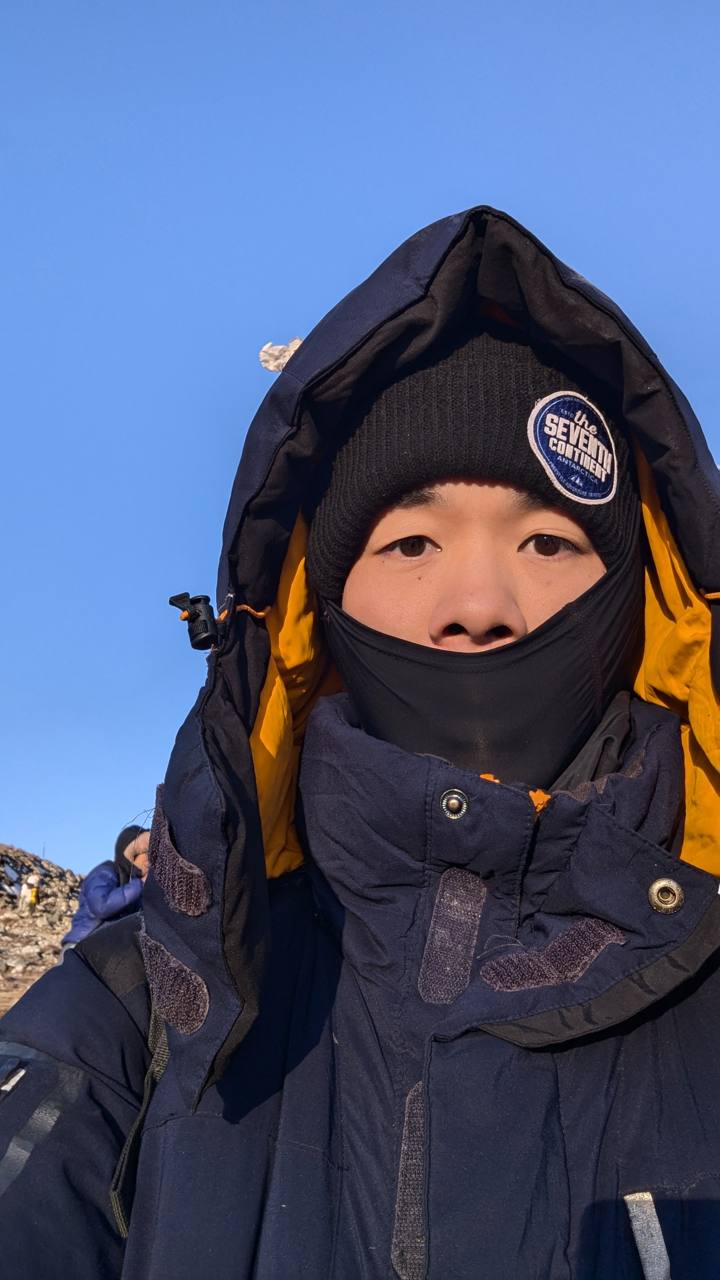
My dear samdi gave me an earphone, and my sathi Bison offered to carry a jacket for me. For the last 2 hours I was allowed to go downhill at full speed and felt unchained. The perfect combination for a summit: lack of sleep, not the best food, long hours, high altitude. It was tough and I enjoyed it very much. It had been a long time since I had to turn on survival mode: keep going, don’t give up, and in the end it was all worth it. Maybe it was sleepiness, low oxygen, too many clothes, I felt somewhat high, like on weed. I wasn’t sure I was myself or in control of my body, and my feet felt so light, or like nothing at all. What kept me going was breathing and steps in sync, my guide’s steps in my vision, no complaints whatsoever. It’s all in the mind.
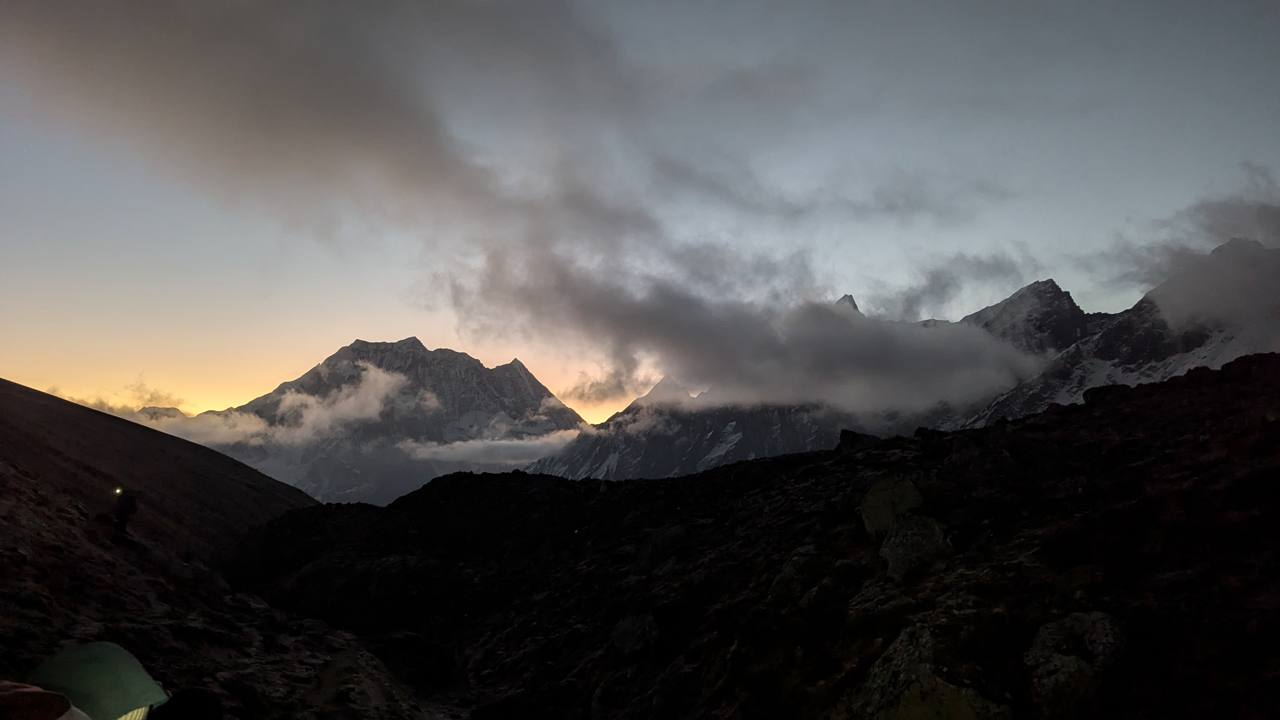
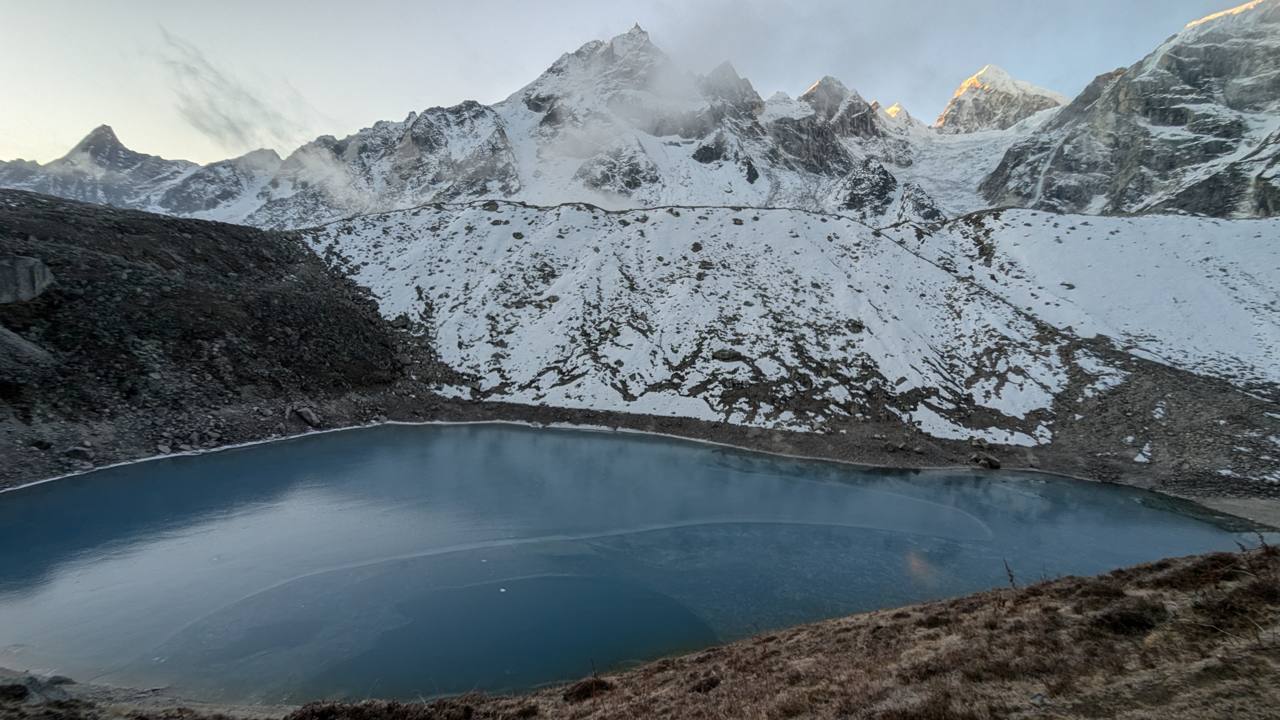
Day 17 (Nov 13): Bimtang to Dharapani
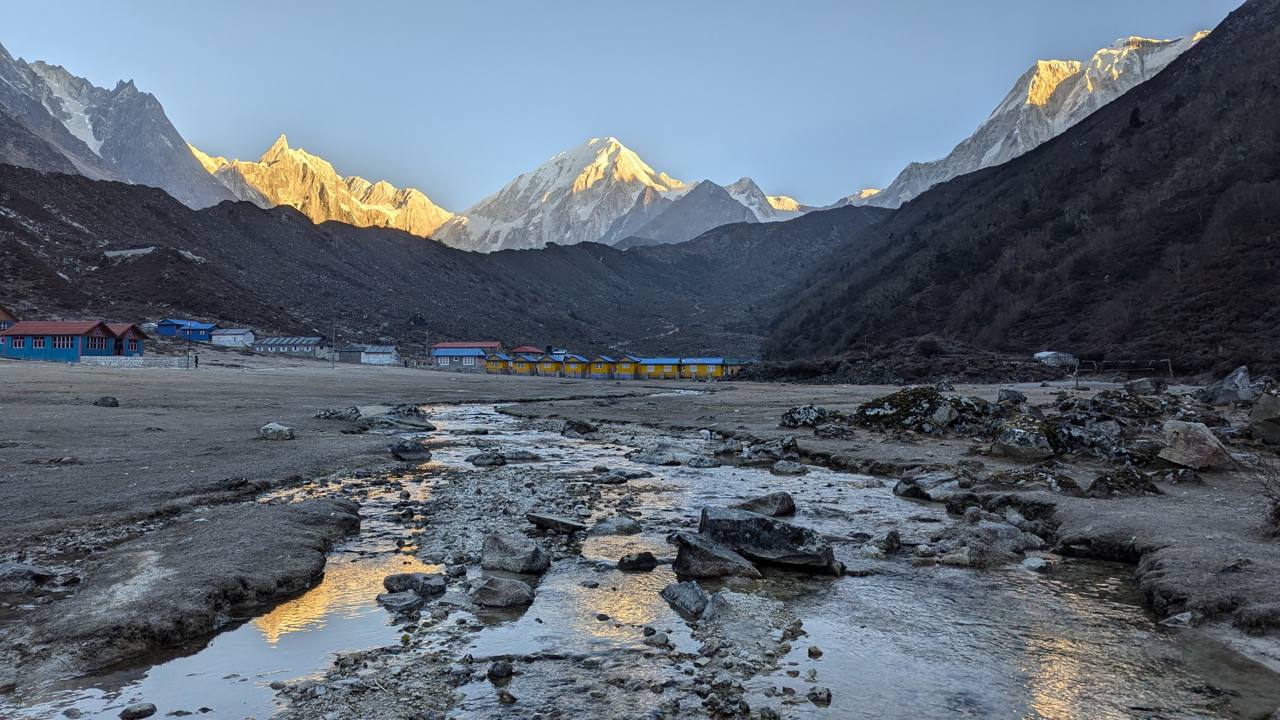
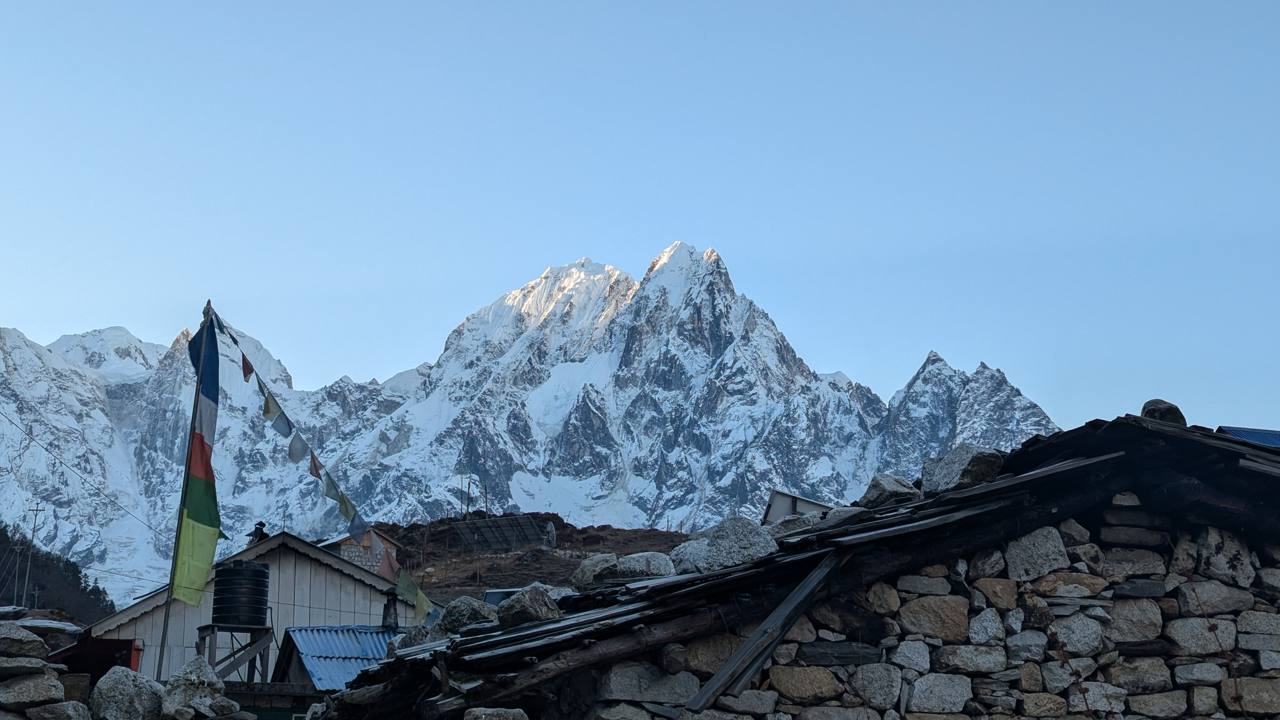
I fell in love with trail running: a light backpack with some water and a bit of food, free in the wild, nice trails, cool weather, refreshing air. Another long day, 7 hours and 25km, and when it got dark it wasn’t only the body but the mind too. I gave thanks and tips to the guide and 2 porters and saw happiness in their eyes. Hugs and handshakes, in the local language of sathi and samdi, made me feel this is not just a trek for foreigners and a job for locals; the joy, the moments, the food we shared and the offerings of nature are something we all love. Now it feels weird that there is no trek tomorrow. Once it becomes a habit, it’s harder to not do it. Soon I need to relearn the old habit: wake up in the city, drive to work in the traffic, drive back in the traffic, repeat.
Back to Kathmandu
Day 18 (Nov 14): Dharapani to Kathmandu
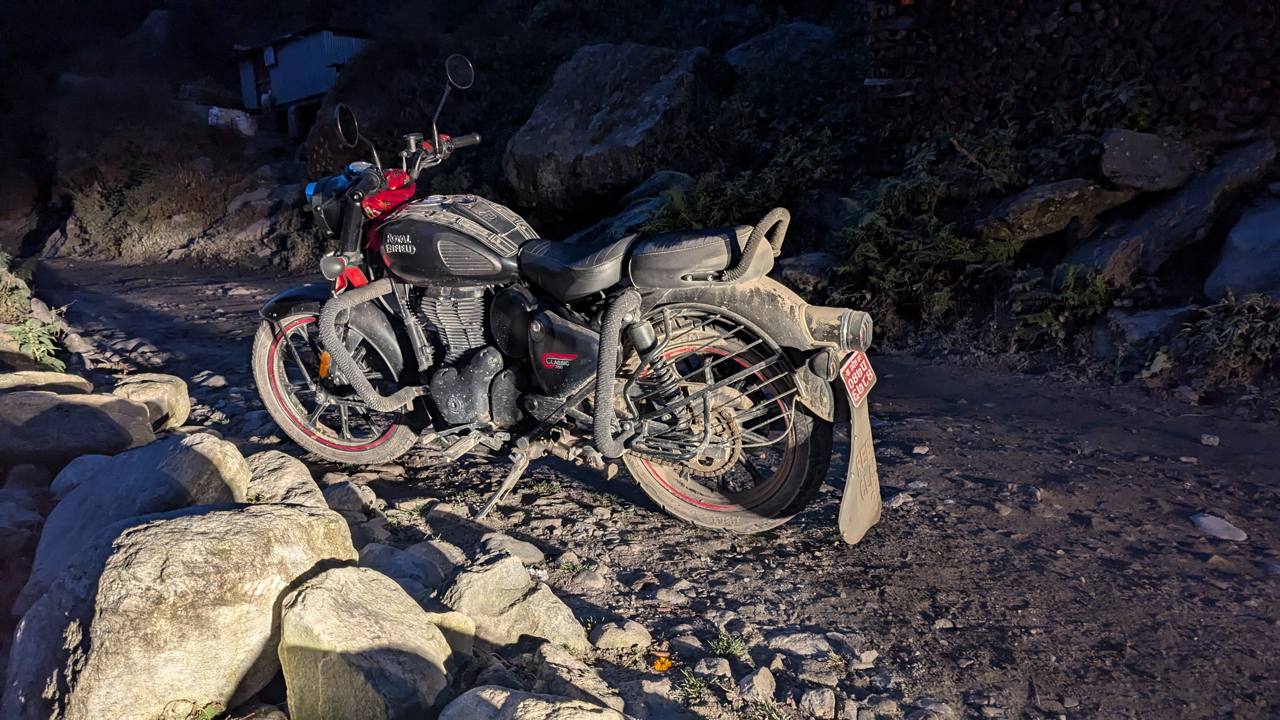
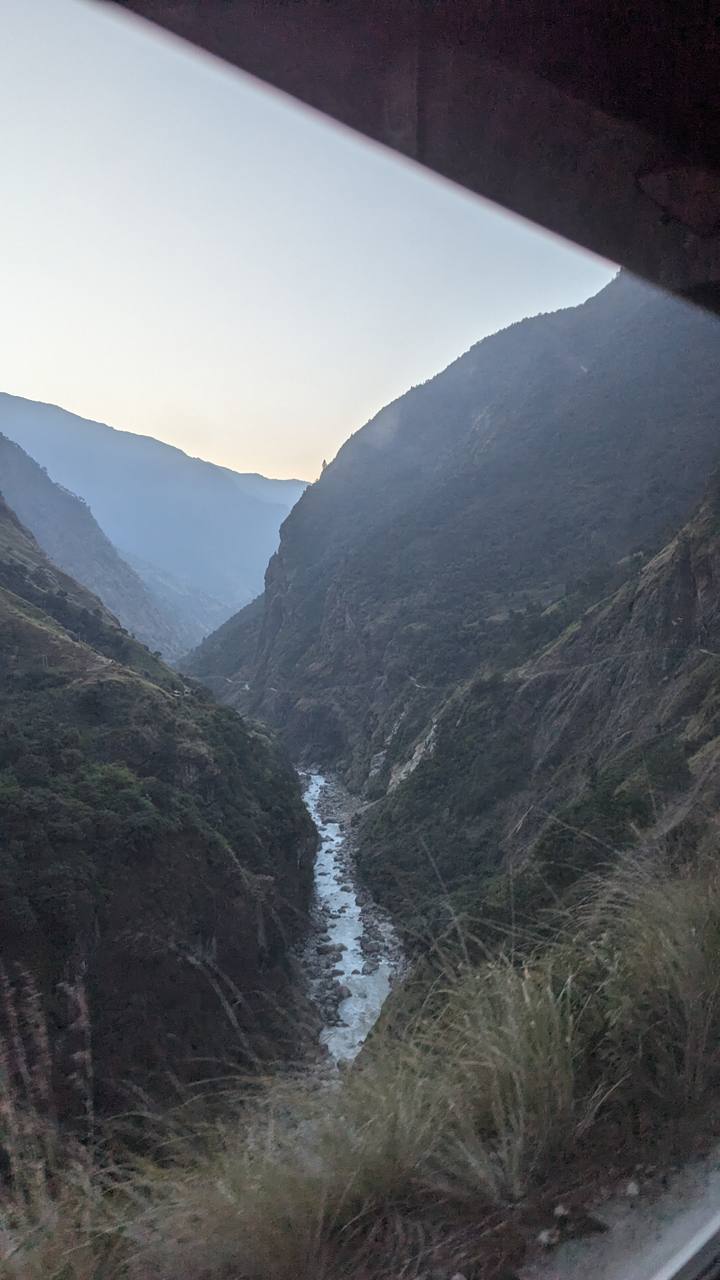
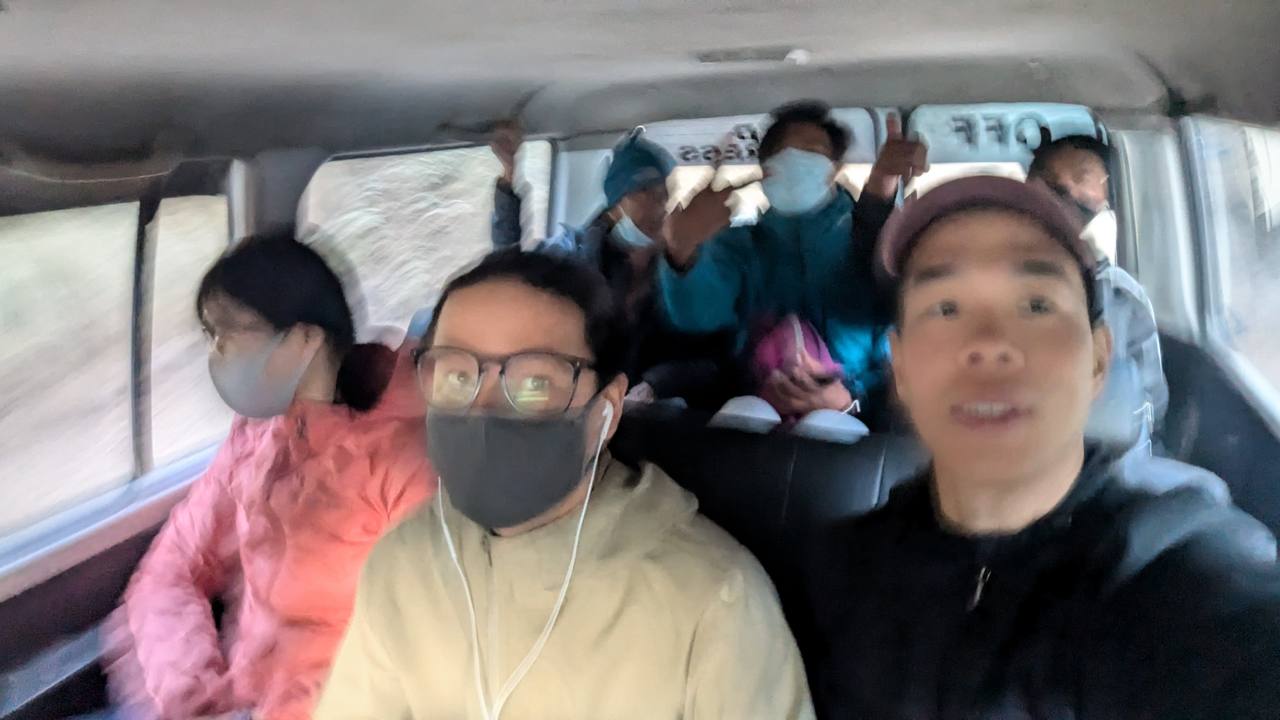
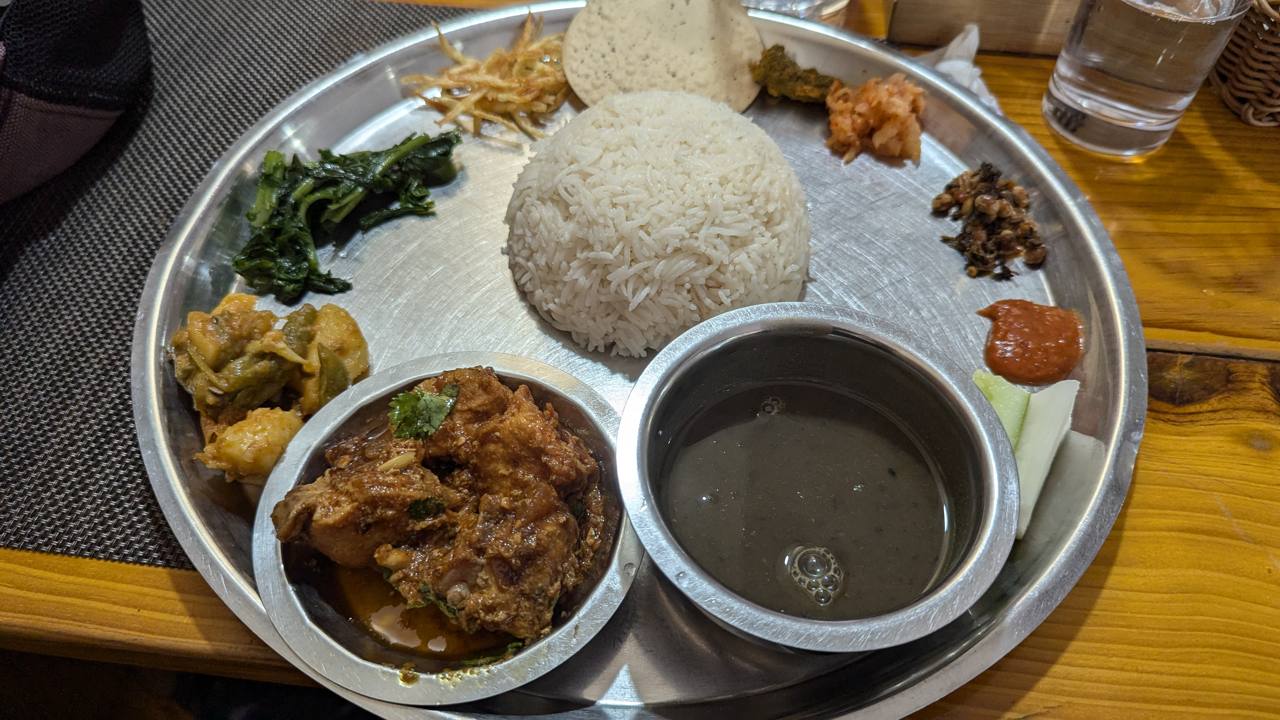
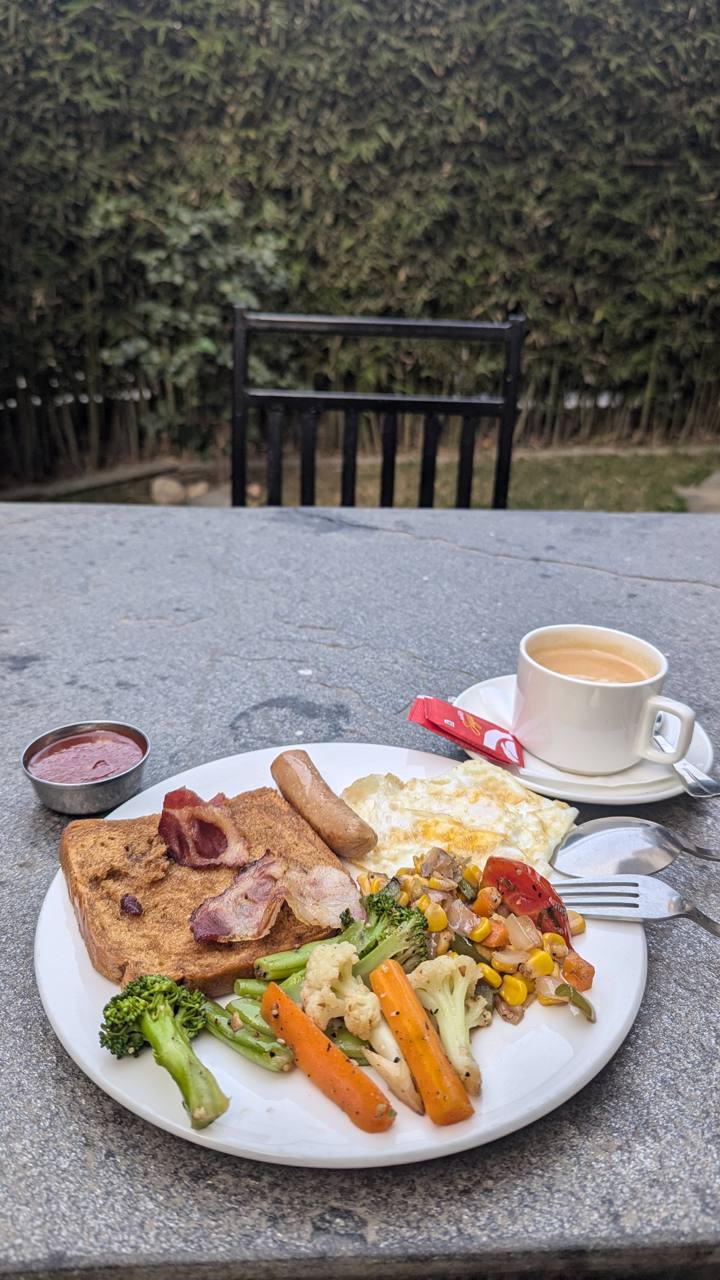
Early morning with Tibetan bread. On the road instead of the trail, in a car instead of on foot, a new landscape that somehow felt familiar. Weird to prepare for freezing cold water and rush to warm it, when the water is just chilly. I found the best dal bhat restaurant, with green chilli. I saw my samdi for the last time and gave some gifts to the 2 sathi porters.
Day 19 (Nov 15): Kathmandu
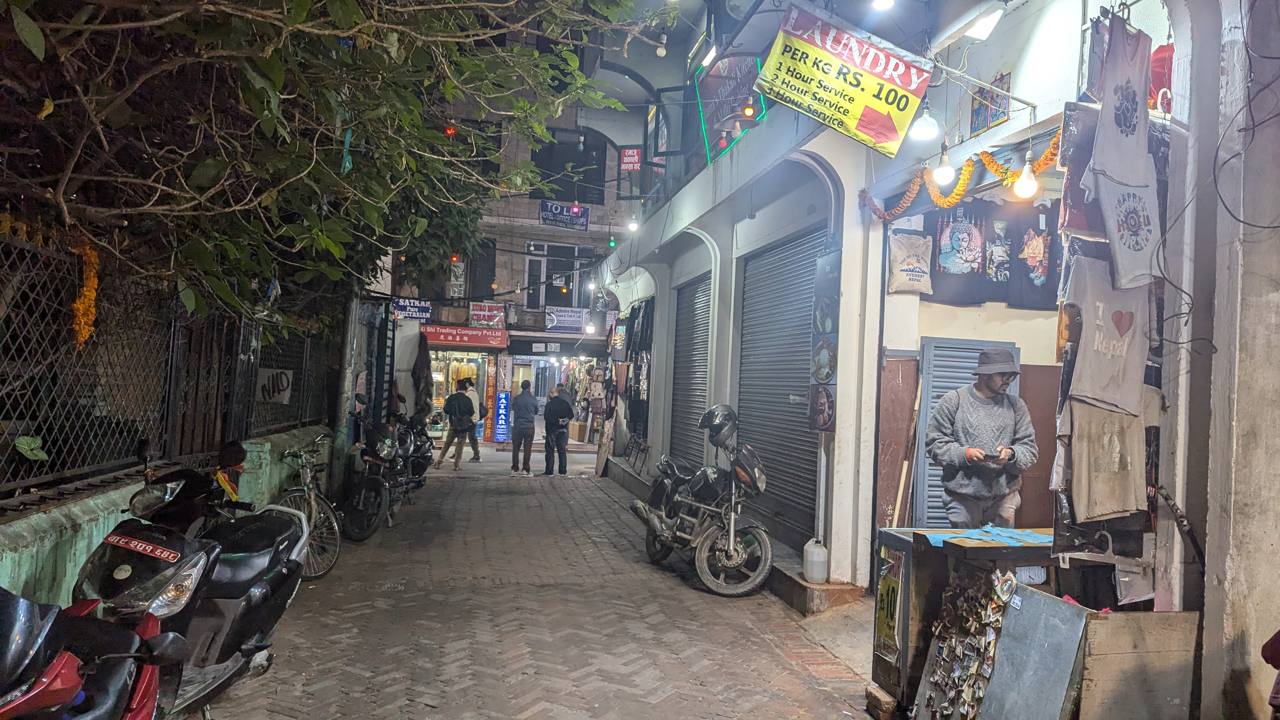
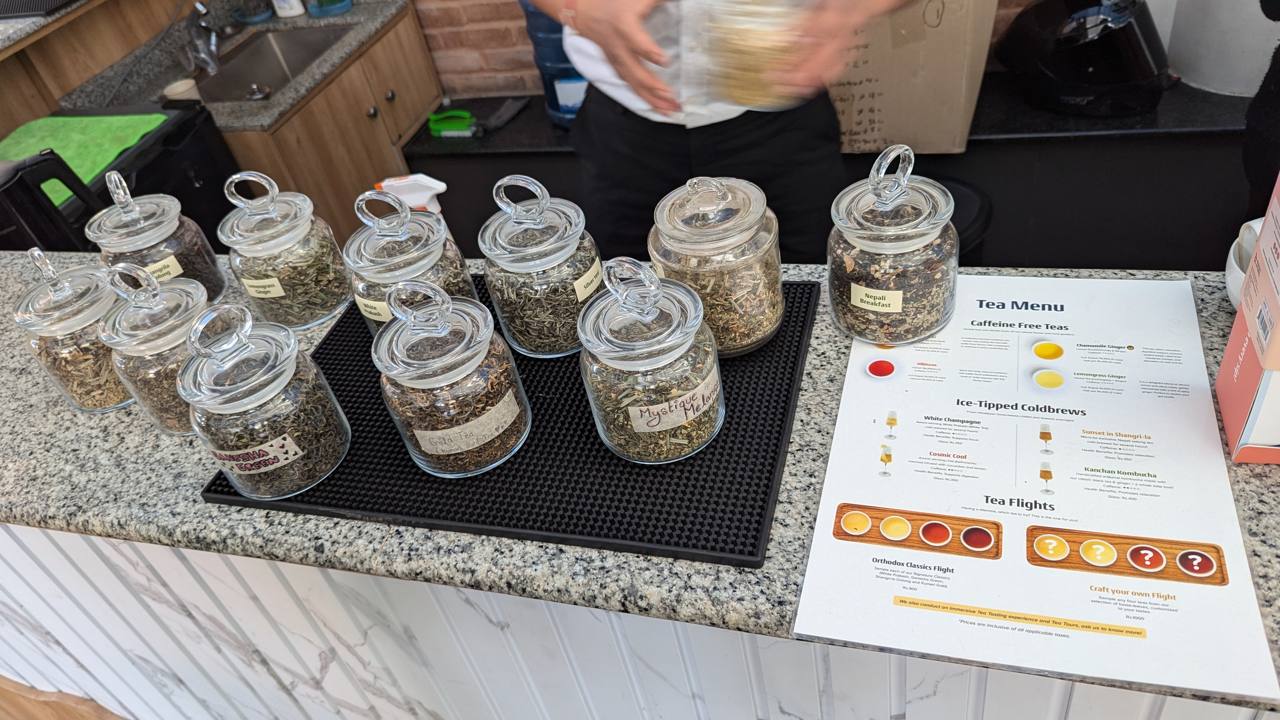
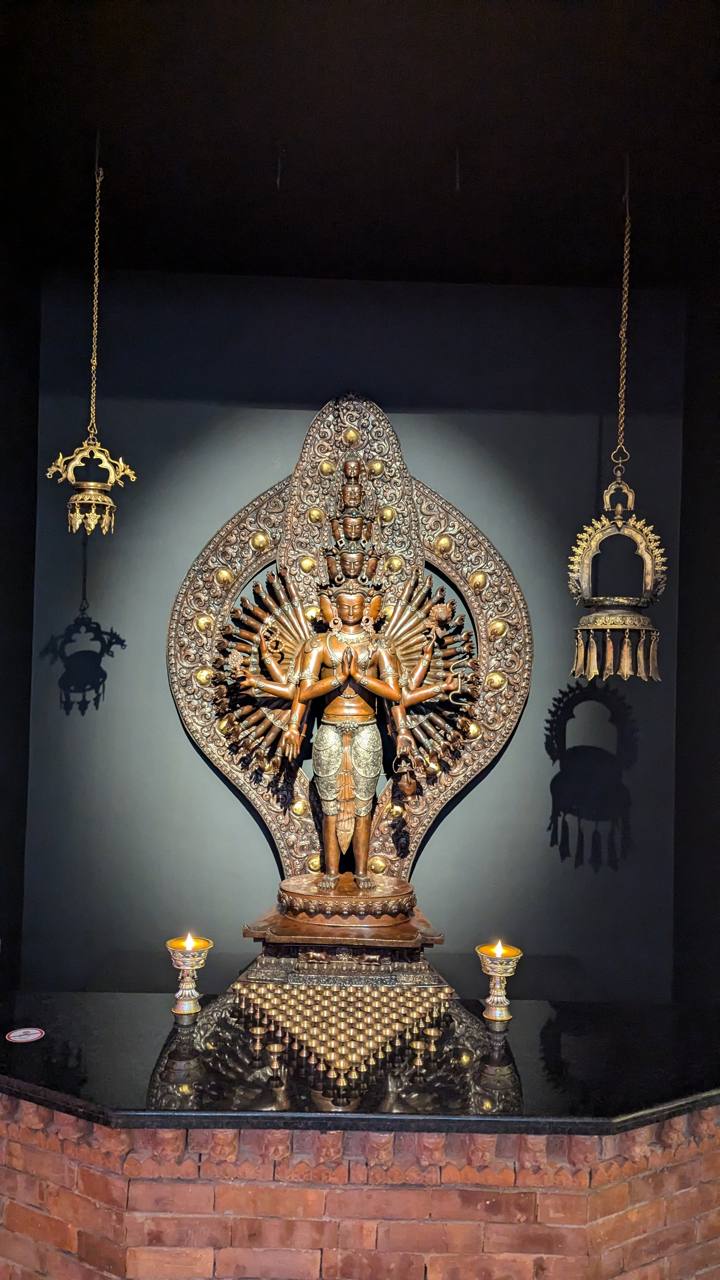
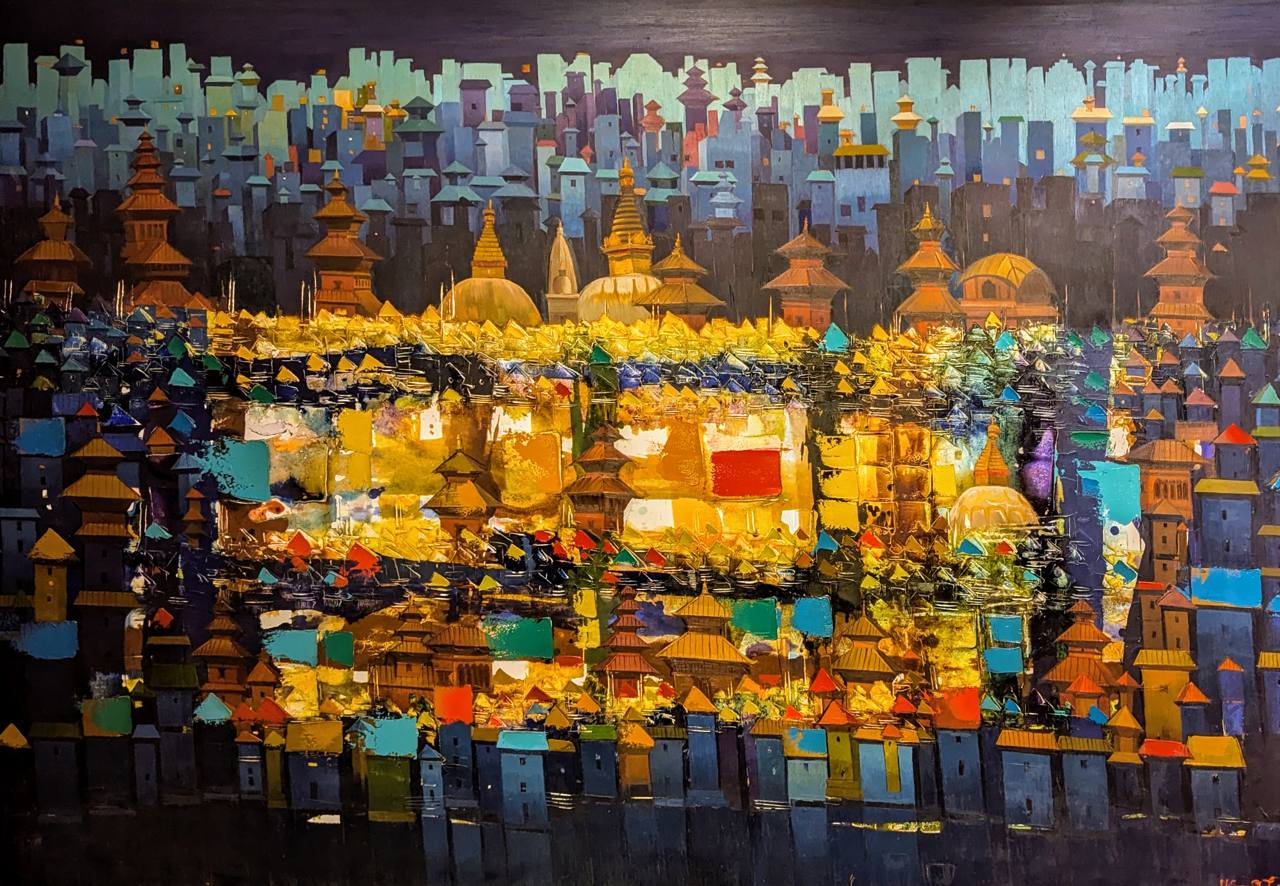
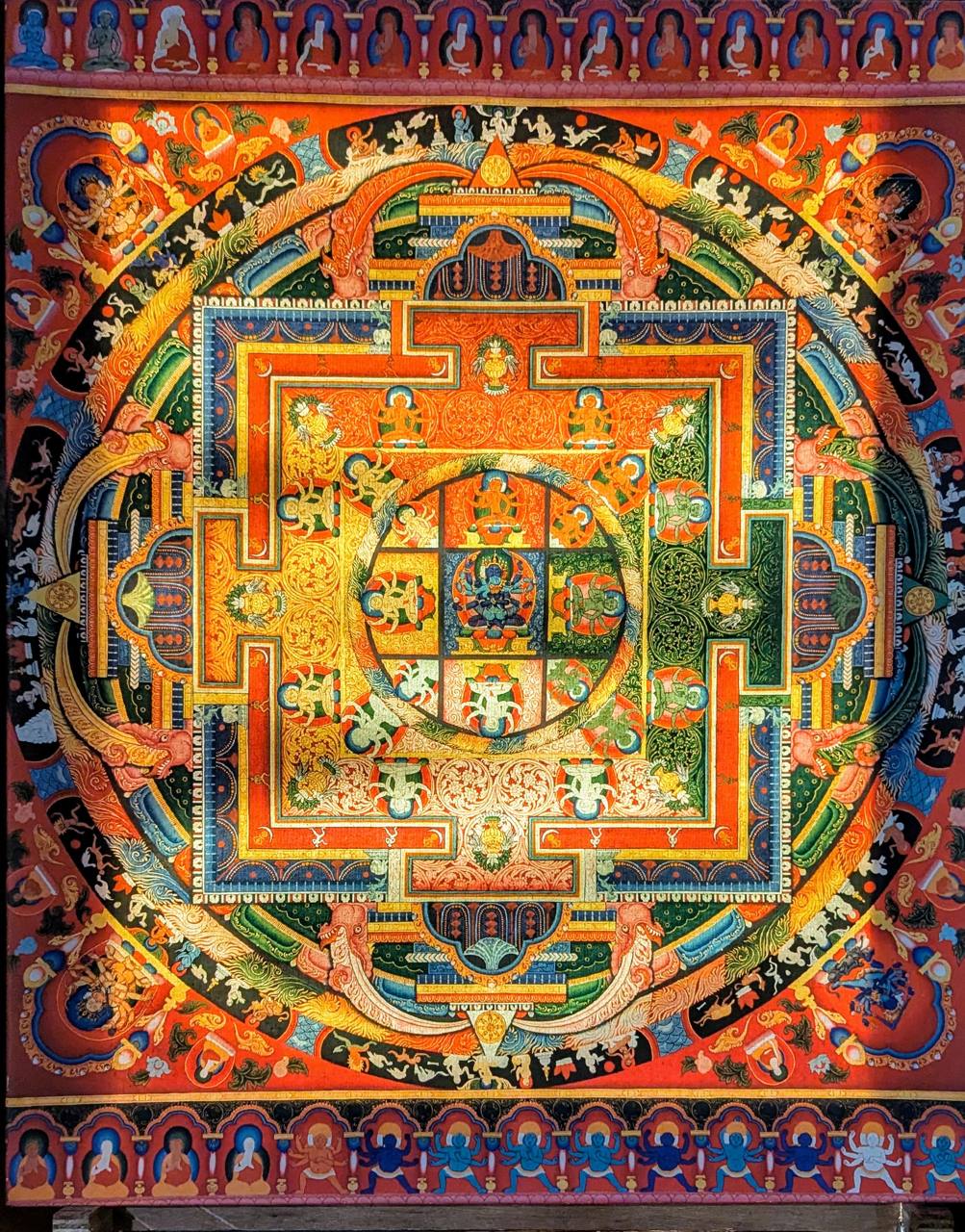
Coffee with a local Nepali who knew good places for souvenirs at good prices; we talked about many topics and will meet again soon in HCMC. I tried and bought several local teas, got lost in a museum of art and books, then got lost again at Pilgrims with all the souvenirs and books.
Day 20 (Nov 16): Kathmandu → Chengdu → home
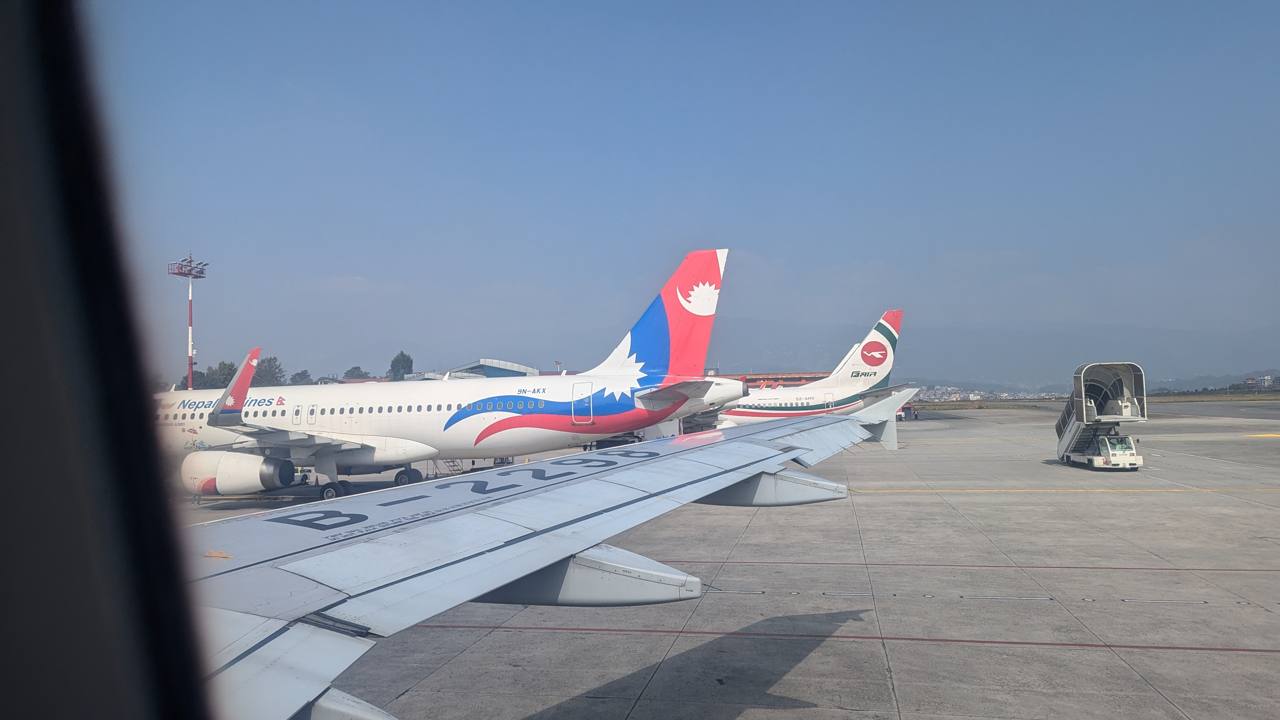
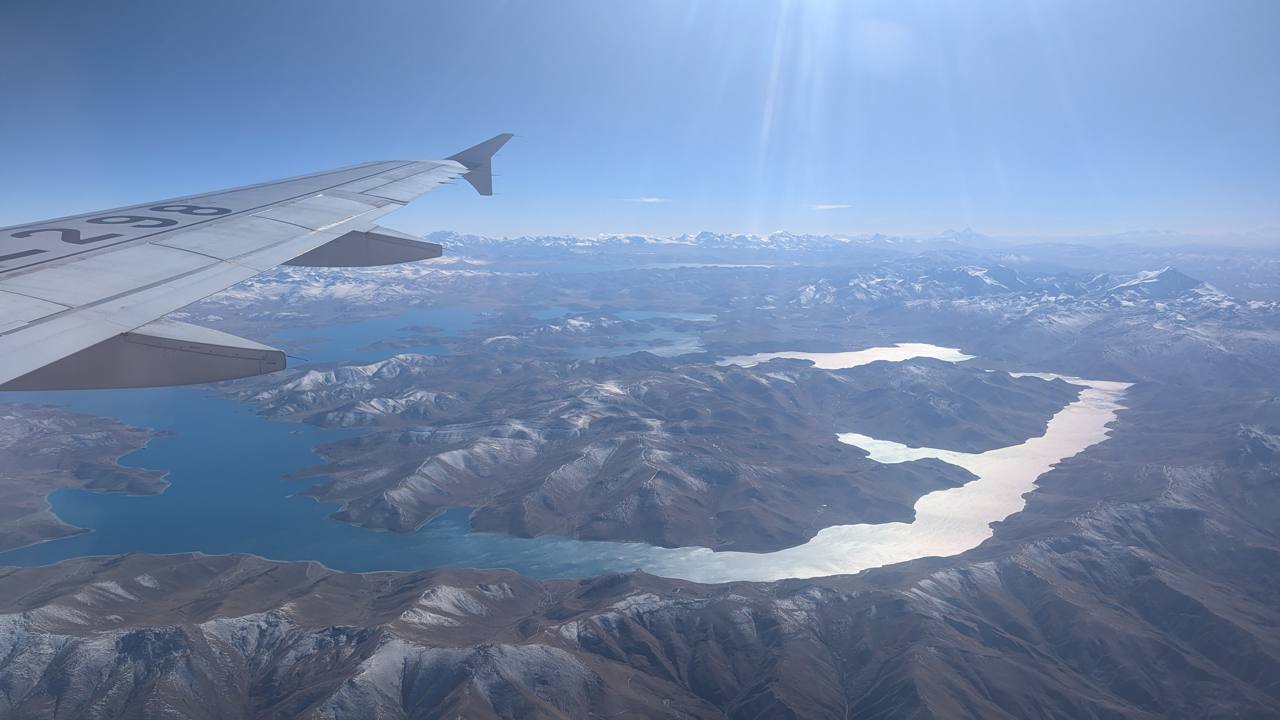
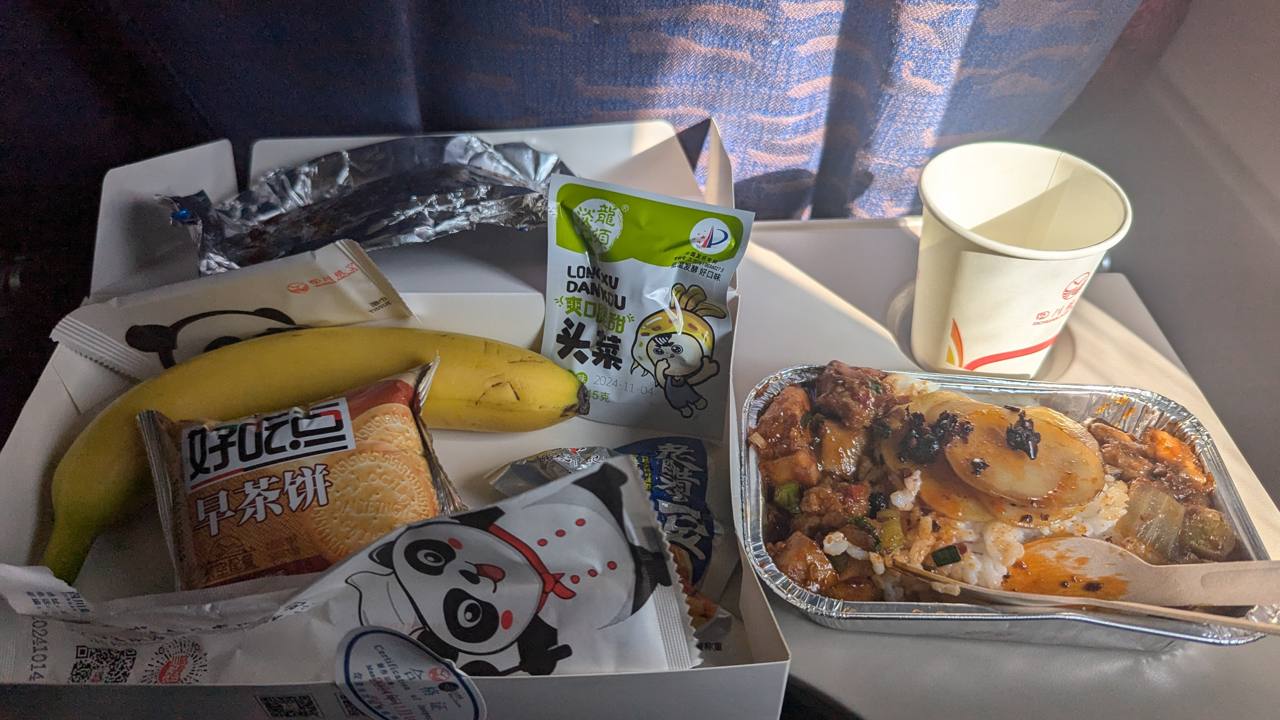
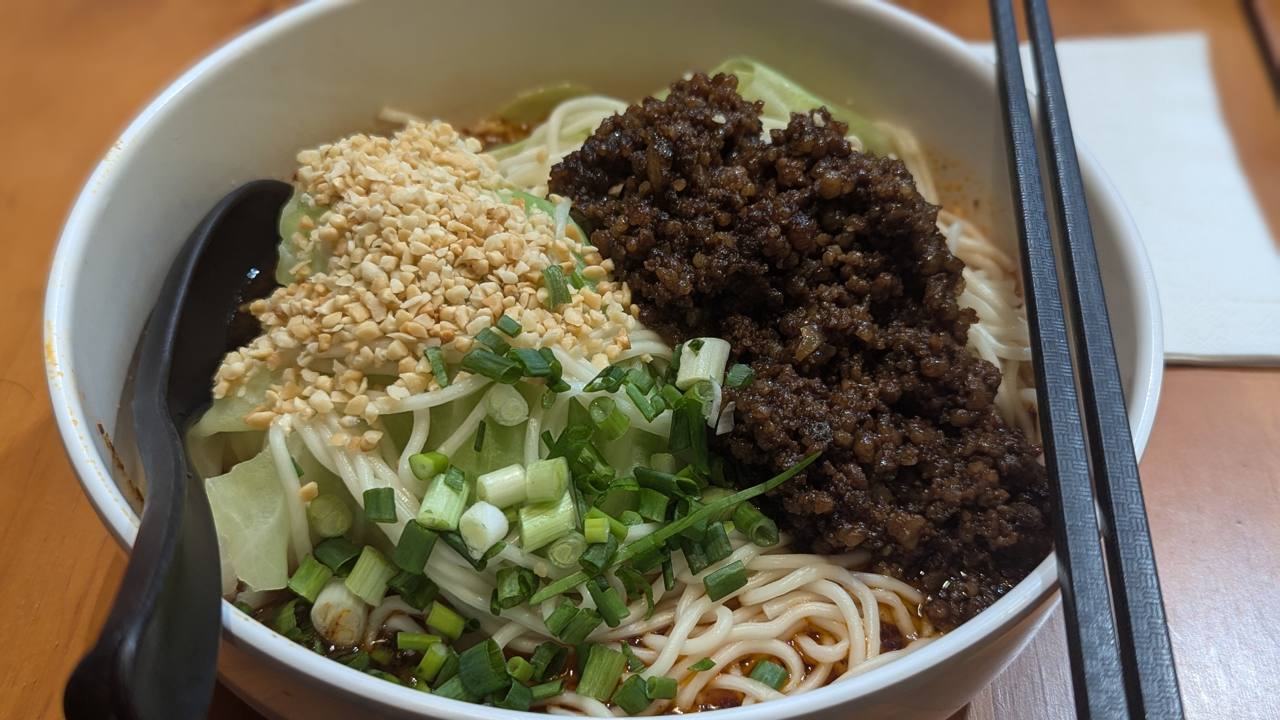
2 flights. The food on the Sichuan plane was good, chicken rice and satay. I was greeted in Chinese and understood it, which felt good. At the Chengdu transit I found local spicy noodles, good stuff.
Chapter 3: Final Thoughts
I didn’t need to use the dal bhat candy, so no AMS: my lucky charm. A little donation goes a long way.
- Walk slowly, but steady. Always follow your guide, even when it doesn’t sound obvious.
- Sathi matters. Life is a shared experience, and the people you meet along the way make all the difference.
- It’s all in the mind.
As I close this chapter, I’m left with gratitude: for the mountains, for the people, and for the part of me that dared to take this on. Here’s to the next journey, wherever it might lead.
“This man will one day climb Everest” - Indra the Guide
Chapter 4: The Closing
Memorable Quotes
- “One day you will climb Everest.”
- “Dal bhat power, 24 hour.”
- “Empty your cup, and you’ll see wonders.”
- “Heroes also have weak moments; they just have to be strong.”
- “It’s all in the mind.”
- “Slowly, slowly, slowly.” Not fast and slow, just slow.
- “Climb high, sleep low.”
Local Words & Phrases
- Namaste: hello, thank you, goodbye, said everywhere with a smile
- Tashi delek: the Tibetan namaste, and Shobot delek: good morning
- Om mani padme hum: peace to everyone
- Dhanyabad: thank you
- Sathi: friend, what the porters called me
- Dal bhat: lunch, dinner, and sometimes breakfast
- Momo: Nepali dumplings, great with the local spicy sauces
- Chokpe: the cross of a cow and a yak
Nicknames I Was Given
- Wifi ambassador
- Milk-tea boy
- Handsome boy
- Dal bhat boy
The People
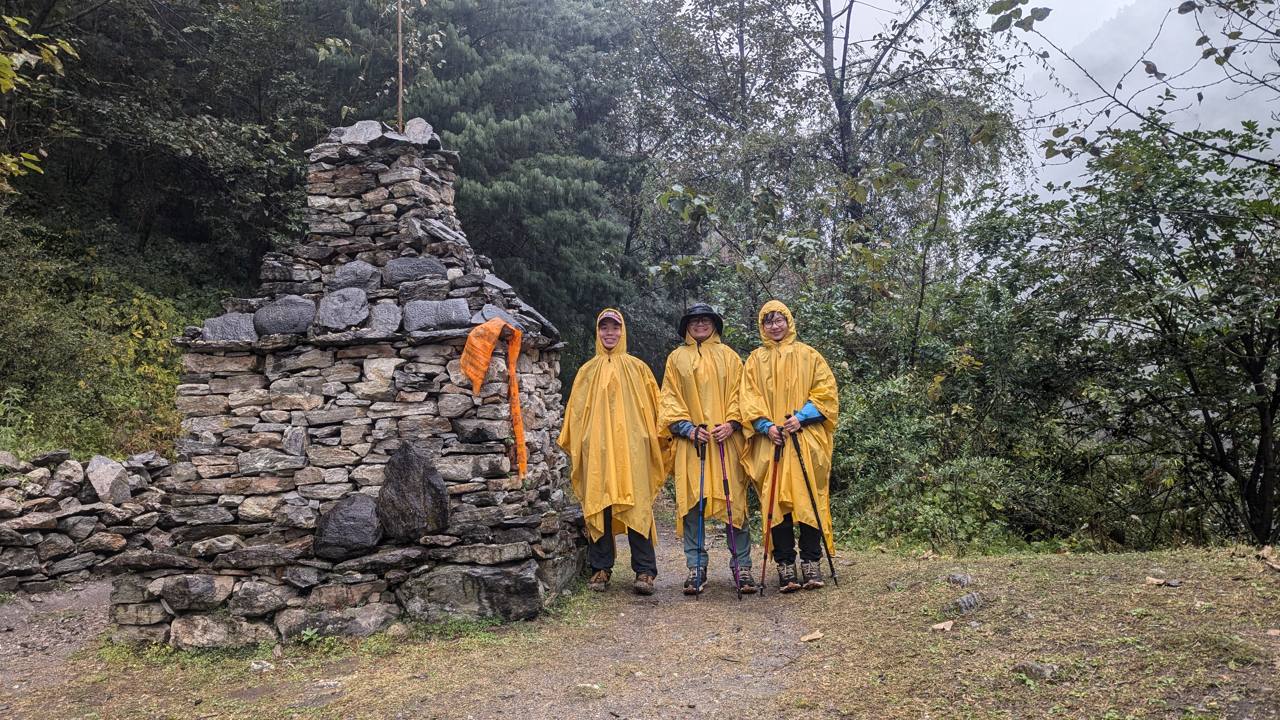
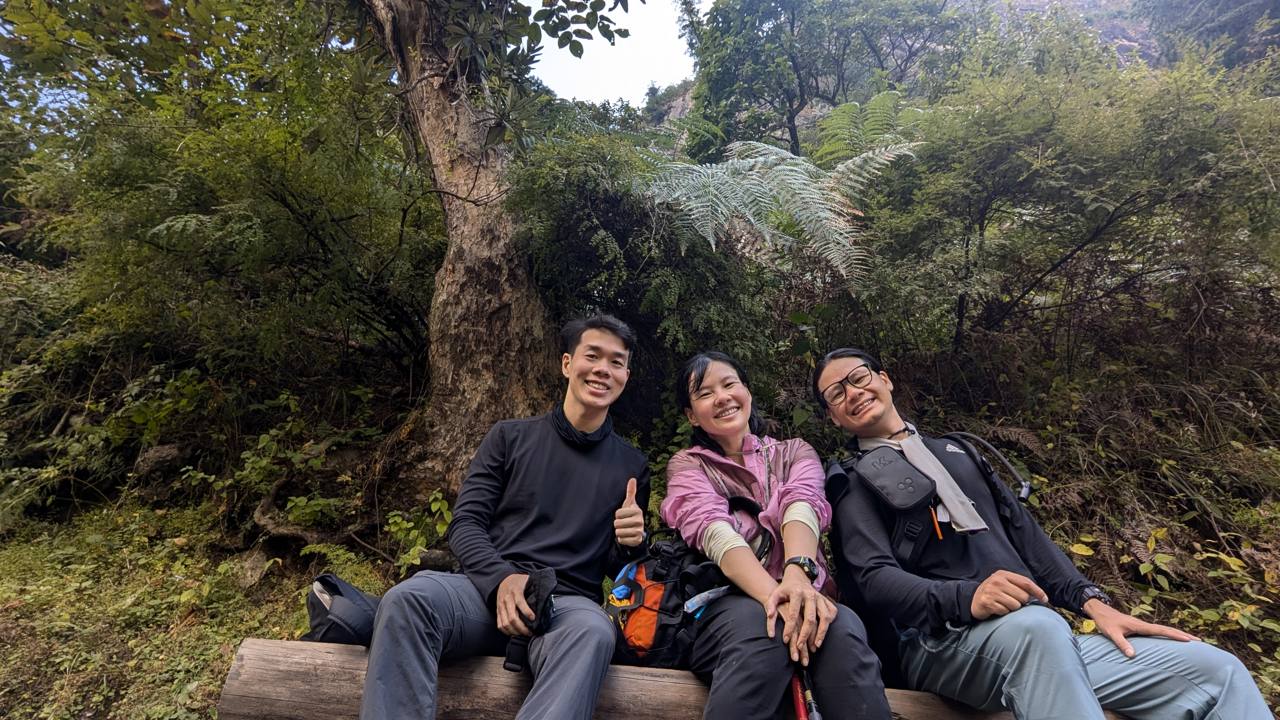
Anh and Hung, my trek mates from the beginning of the trip. Sharing the trail, the dinner table and the van ride back made every day lighter.
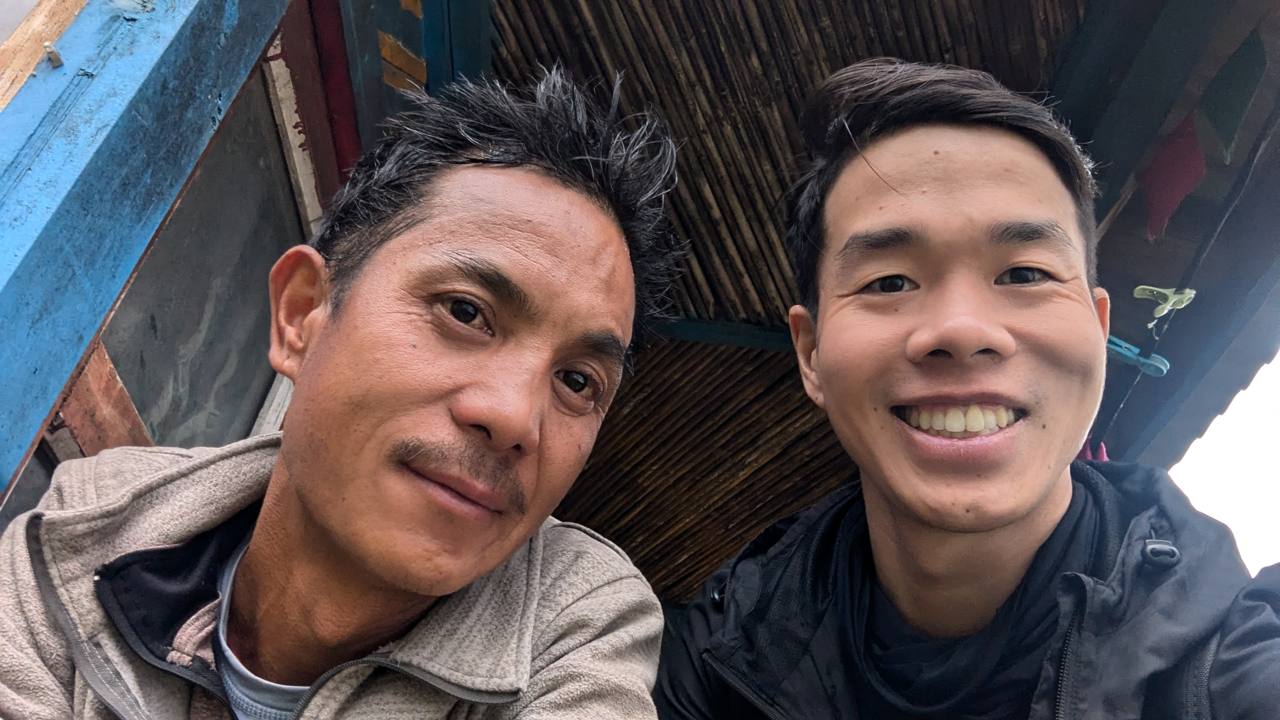
Indra, my guide. The one who planted the Everest seed, knows every corner of the route and, as a bonus, tells me when to put the windbreaker on.
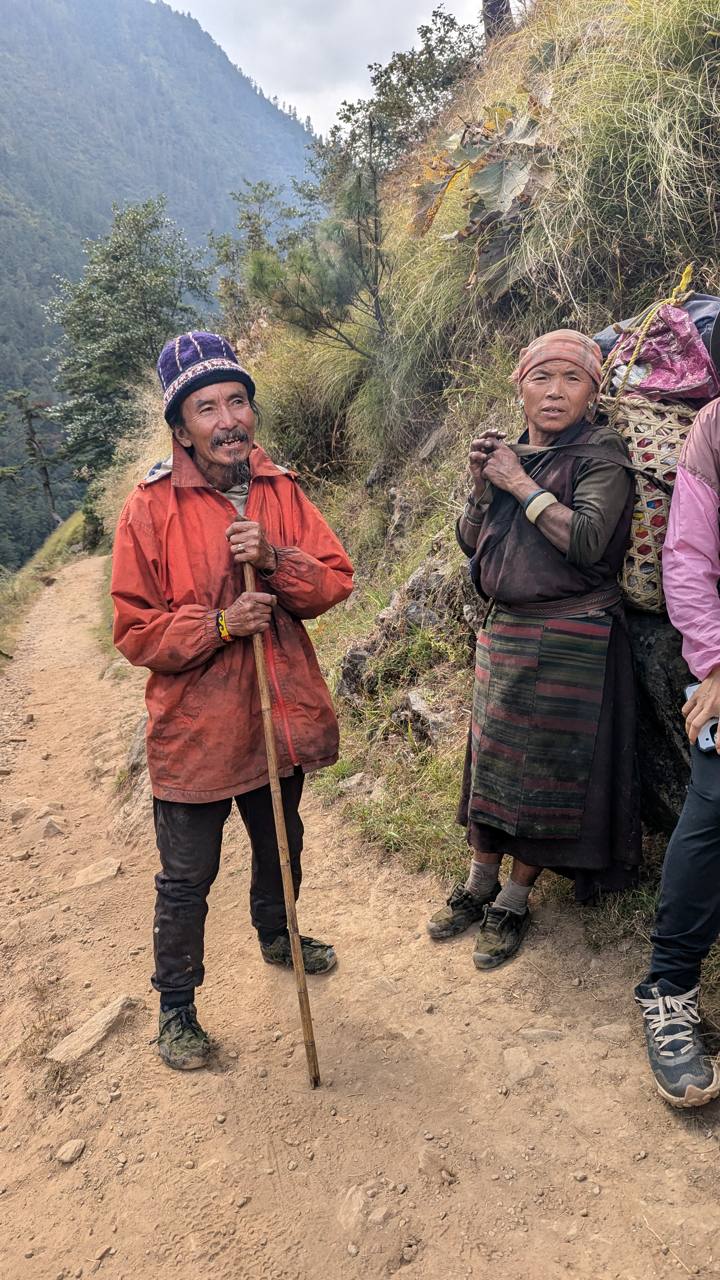
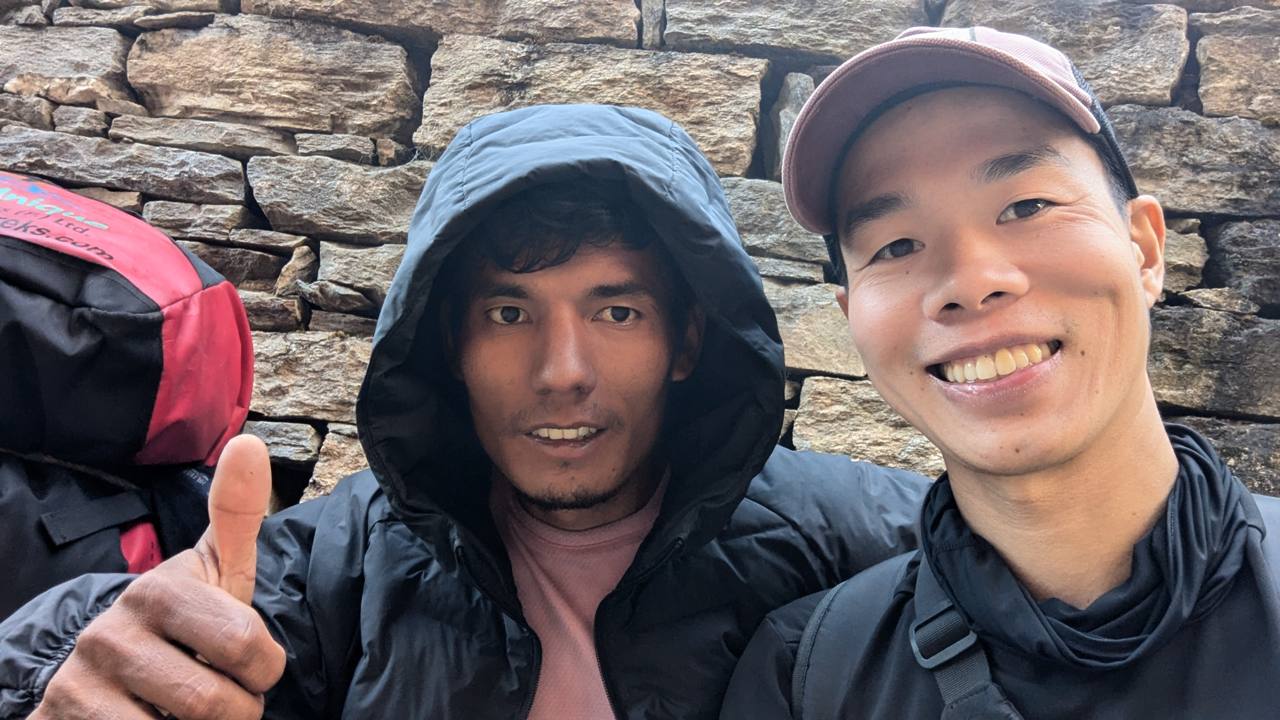
The 2 porters, my sathi and samdi, who carried my bag, offered earphones and jackets, and sat with me at the dinner table. This is not just a trek for the foreigners and a job for the locals; it is also the joy, the moments and the food we shared.
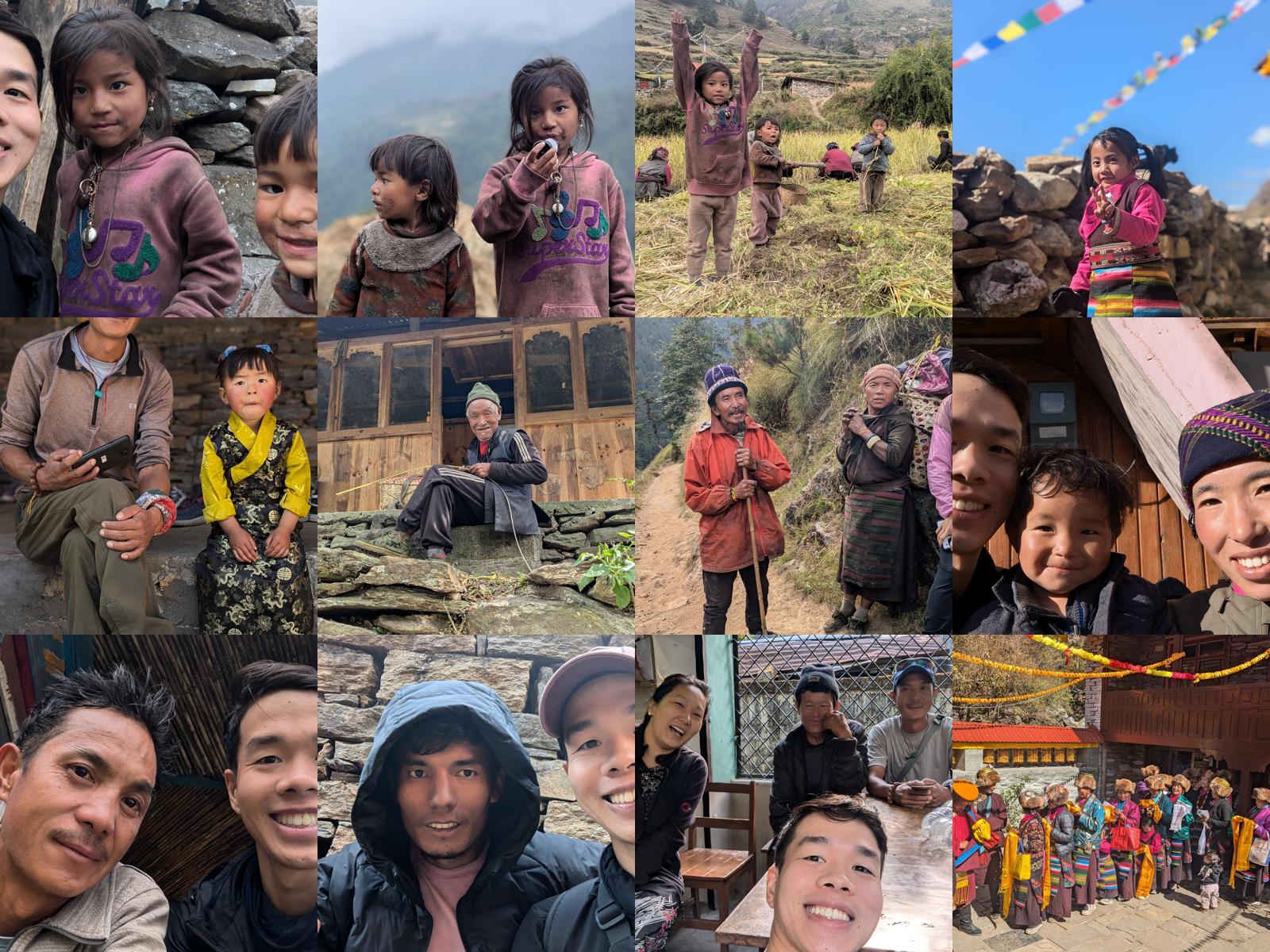
Faces of Nepal
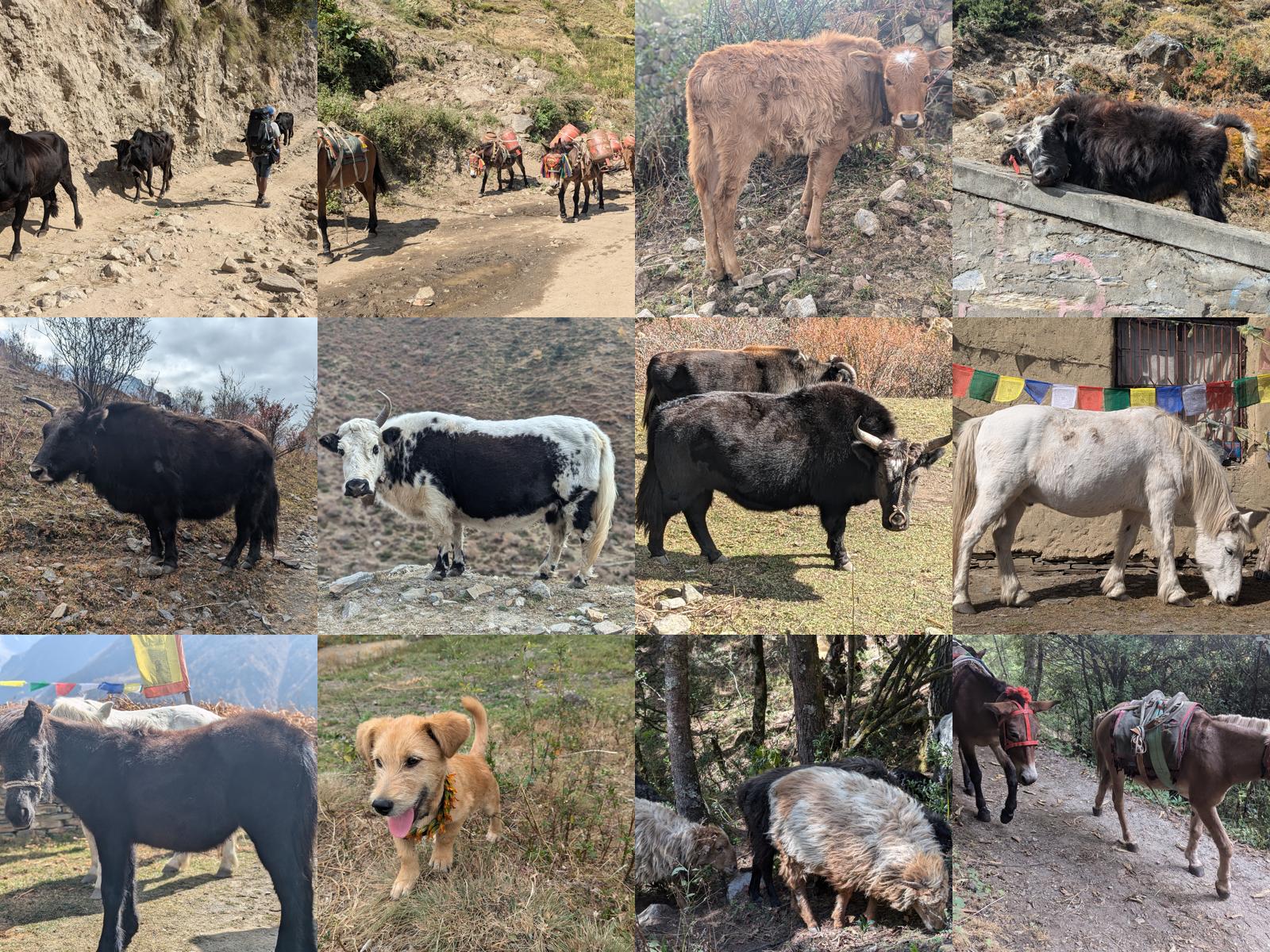
Animals of Nepal
The Next 10 Years
“One day you will climb Everest.” My dear guide, you don’t know that sentence planted a seed in my mind. In 10 years, if I still remember it, maybe, just maybe, I’ll do it.
Until then: walk slowly, but steady. Eat well, drink enough water, rest well, and always make way for the donkeys.
Dhanyabad, Nepal. Namaste.